Skip to content
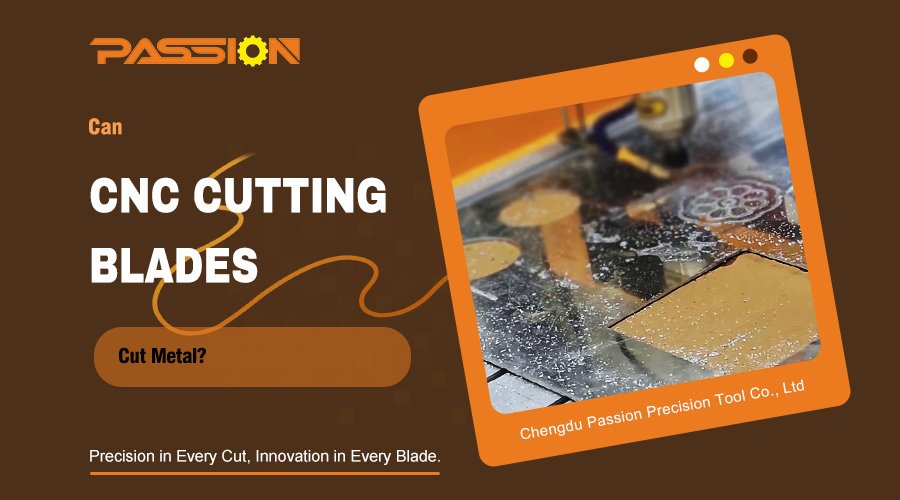
Struggling with tool selection for your CNC machine? Using the wrong tool can damage materials and your equipment. The key is understanding that "CNC cutting blade" is a broad term.
The answer depends on the type. CNC milling inserts, made from materials like tungsten carbide, are specifically designed to cut metal. However, CNC blades like oscillating or drag blades are for soft materials and cannot cut metal at all.
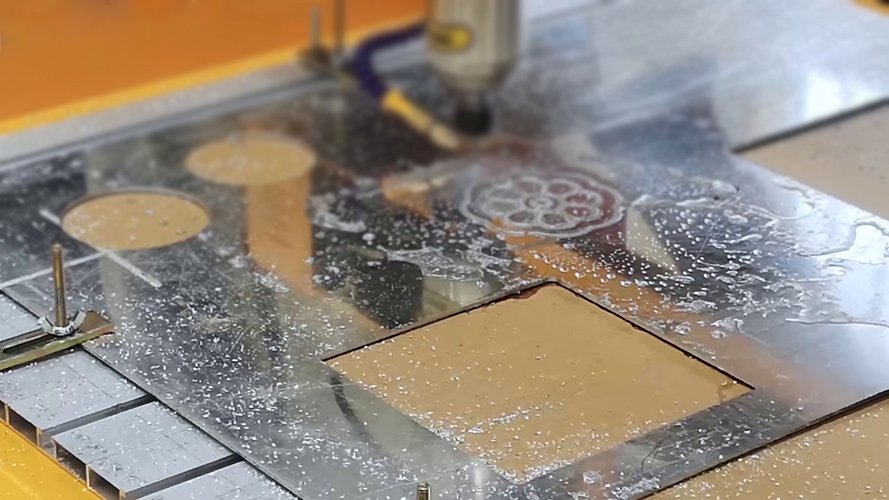
You probably hear the term "CNC cutting blades" a lot. But this is a very broad category. It covers different tools, each with a specific job. If you want to know if a CNC tool can cut metal, you first need to identify what kind of tool you are talking about. The differences in design, material, and purpose are huge. Let's break down these differences to make it clear. This will help you choose the right tool every time and avoid costly mistakes.
Why Can't Some CNC Blades Cut Metal?
You have a CNC machine, but are you sure your blades can handle metal? This uncertainty can lead to costly downtime and damaged parts if you make the wrong choice.
Many common CNC blades, such as drag blades and oscillating blades, are designed for soft materials. They are made from softer steel and lack the extreme hardness and heat resistance needed to cut metal. They will break almost instantly if used on metal.
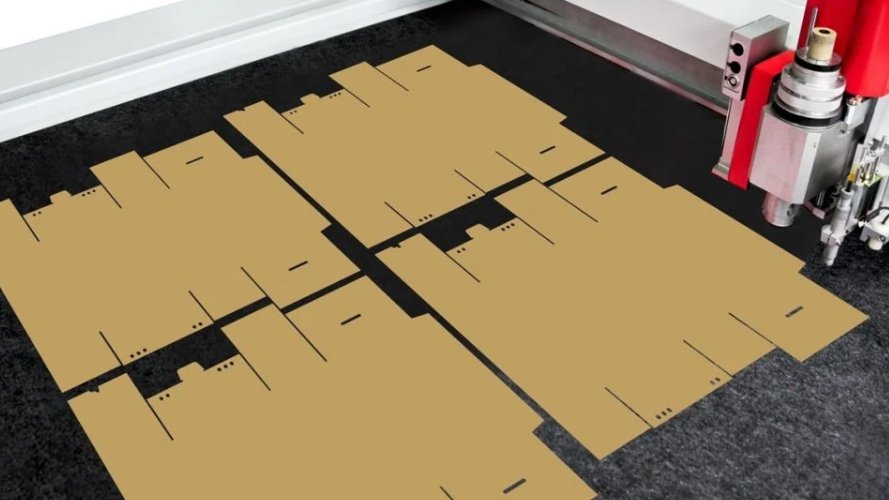
These blades are specialists in their own right, just not for metal. They are perfect for cutting materials like paper, leather, rubber, foam, and composites. Their design is all about precision slicing or high-frequency sawing through softer materials. An oscillating blade, for example, uses a fast up-and-down motion to saw through materials like honeycomb board. A drag blade is pulled through materials like vinyl to make clean cuts. They rely on their sharp geometry, not brute force or hardness.
When I was helping a client from Brazil who works in the custom packaging industry, this became very clear. They tried to use one of our oscillating blades, which they use for cardboard mockups, to cut thin aluminum sheets. They contacted me when the blades kept breaking. I explained through a video call that their blade was made of high-speed steel1 and designed for slicing, not for shearing hard metal. It simply didn't have the structural strength or material hardness. We guided them to the correct type of tool for metal, preventing further blade breakage and potential damage to their machine's cutting head.
Blade Types for Non-Metal Applications
| Blade Type | Common Materials | Cutting Action | Why It Can't Cut Metal |
|---|---|---|---|
| Drag Blade | Vinyl, Paper, Cardstock | Dragging/Slicing | Lacks hardness and edge strength. |
| Oscillating Blade | Foam, Cardboard, Rubber | High-frequency sawing | Too thin and not heat resistant. |
| Rotary Blade | Textiles, Fiberglass | Rolling/Shearing | Designed for fabric, not hard surfaces. |
What Makes A CNC Insert Capable Of Cutting Metal?
Need to machine metal parts with high precision and a good finish? A general-purpose blade simply won't work. You need a specialized solution to get clean cuts and avoid tool failure.
CNC inserts for metal are made from ultra-hard materials like tungsten carbide2, ceramics, or CBN. They also feature advanced coatings and specific edge geometries designed to manage extreme heat and pressure during the cutting process.
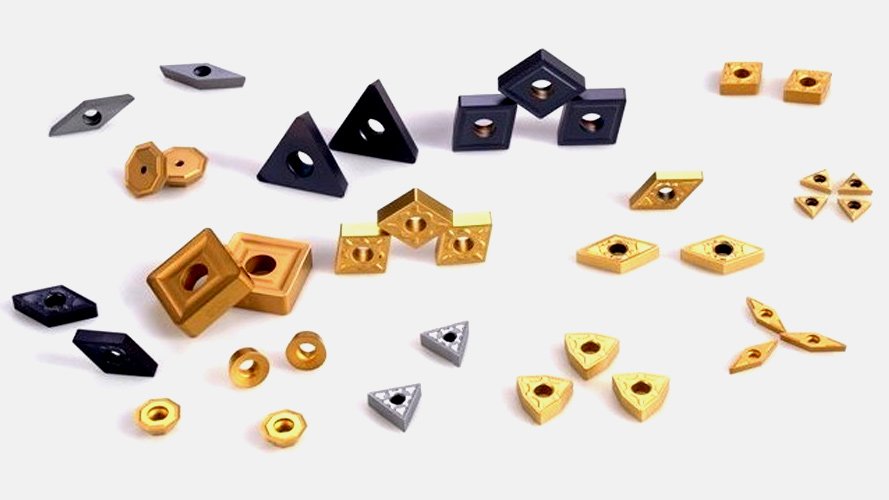
These inserts are engineered for one of the toughest jobs in manufacturing: shaping metal. It all starts with the material. Tungsten carbide is much harder than steel and keeps its hardness even when it gets very hot. For even harder metals, we use materials like CBN (Cubic Boron Nitride3). But the material is only half the story. The insert's geometry, including the angle of the cutting edge and the shape of the chipbreaker, is critical. These features ensure the metal chip flows away smoothly, which prevents heat buildup. Special coatings, like TiAlN (Titanium Aluminum Nitride), act like a shield. They add more hardness and reduce friction between the insert and the metal.
For example, I once consulted with a mold-making company in Germany. They were milling a high-strength steel alloy and told me their inserts wore out incredibly fast. After reviewing their setup through an online chat, I saw they were using an uncoated carbide insert. I explained how an insert with a TiAlN coating4, which is built for high-temperature work, would perform better. They later reported a 3x increase in insert life and a better surface finish on their molds.
Common Materials for Metal-Cutting Inserts
| Insert Material | Key Property | Best For Cutting |
|---|---|---|
| Tungsten Carbide | High hardness & wear resistance | Steel, Cast Iron, Aluminum |
| Coated Carbide | Extreme heat & wear resistance | Stainless Steel, Hardened Steel |
| CBN | Second hardest material | Hardened Ferrous Metals (>45 HRC) |
| Ceramic | Excellent high-temp performance | High-Temp Alloys, Cast Iron |
How Do You Choose The Right CNC Insert For Your Metal Application?
Choosing the right CNC insert for a specific metal can feel overwhelming. A wrong choice leads to poor results, broken inserts, and wasted money. Let's make the selection process simpler for you.
To choose the right insert, first identify the metal you are cutting. Then, define the operation (e.g., roughing or finishing). Finally, match an insert's material, geometry, and coating to these needs and your machine's power.
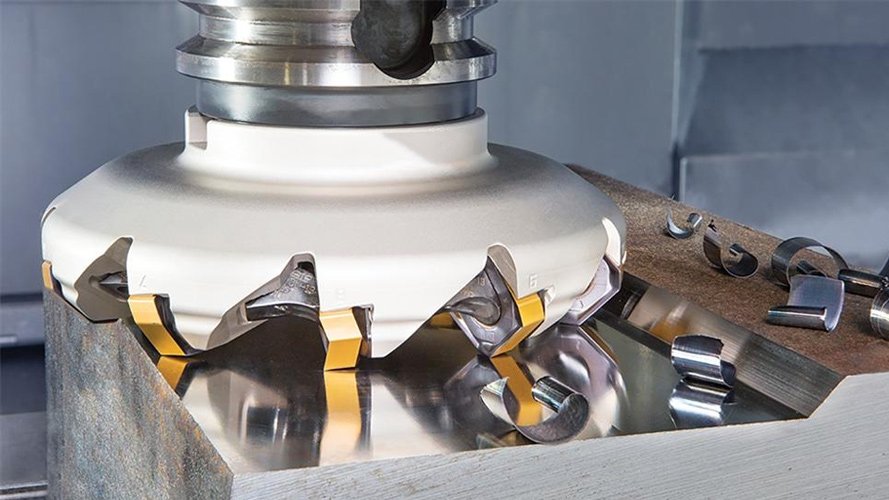
Breaking down the choice into a few steps makes it manageable. First, you need to know everything about the metal. Is it a soft metal like aluminum or a hard alloy like titanium? Each behaves differently when cut. Next, think about what you want to achieve. Are you "roughing"—removing a lot of material quickly? Or are you "finishing"—taking a light pass to get a smooth surface? A roughing insert is strong, while a finishing insert is sharper. Finally, you match the insert to the task.
Consider a manufacturer of medical devices as an example. They might need to machine titanium components but are unsure where to begin. Titanium is tricky because it generates a lot of heat but doesn't transfer it away well. In such a case, I would guide them through a web conference. We would discuss these challenges, and I would point them toward a tungsten carbide insert with a very sharp cutting edge and a specific coating. This combination reduces cutting pressure and prevents titanium from sticking to the insert, helping them produce parts with the high-quality surface finish required.
Quick Selection Guide
| Step | Question to Ask | Why It Matters |
|---|---|---|
| #### 1. Identify Metal | What is its hardness (HRC)? Is it ferrous (steel, iron) or non-ferrous (aluminum, copper)? | Determines the required insert hardness and heat resistance. |
| #### 2. Define Operation | Are you roughing or finishing? What surface finish (Ra) do you need? | Roughing requires a stronger edge, while finishing requires a sharper one. |
| #### 3. Match the Insert | Which insert material (Carbide, CBN), geometry, and coating fit the task? | This final step connects your material and operation to a specific insert solution. |
Conclusion
In summary, some CNC tools are for metal and others are not. Success depends on choosing the right blade or insert designed for your specific material and application.
Understanding high-speed steel can help you choose the right tools for your projects. ↩
Discover the benefits of tungsten carbide for cutting tools and its impact on performance. ↩
Discover the properties of CBN and its applications in cutting hard metals. ↩
Learn how TiAlN coating enhances tool performance and longevity in machining. ↩