Skip to content
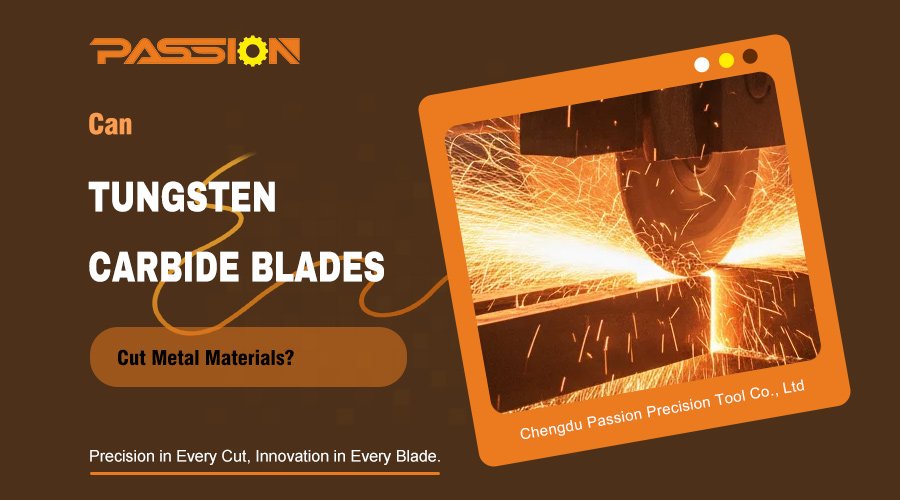
Are you struggling with blades that wear out too quickly when cutting metal? This inefficiency leads to costly downtime and frequent replacements, hurting your bottom line and production schedule.
Yes, tungsten carbide blades1 are exceptionally effective for cutting metal. Their superior hardness and heat resistance make them the ideal choice for high-strength materials like stainless steel, cast iron, and hardened alloys, allowing for higher speeds, longer blade life, and greater manufacturing efficiency.
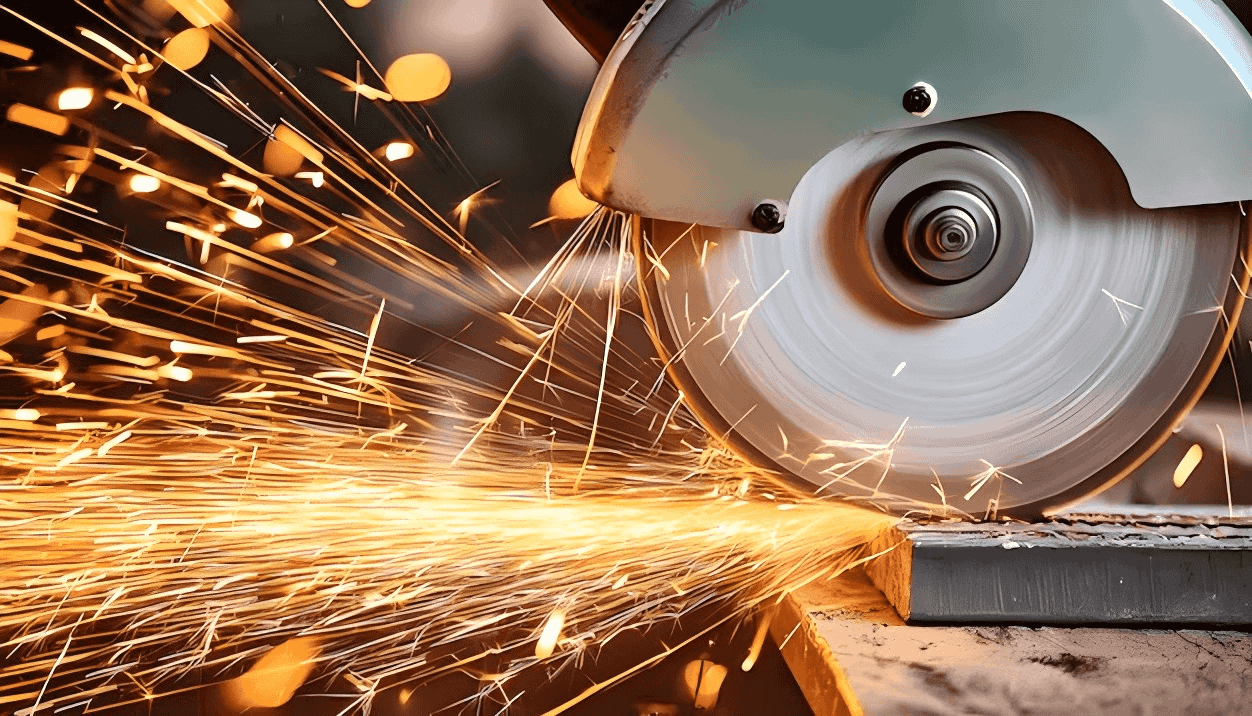
The simple answer is a strong yes, but that doesn't tell the whole story. The science behind why tungsten carbide excels in this area is fascinating and crucial for anyone looking to optimize their cutting process. Let's explore the key properties that make these blades so powerful and find out if they are the right solution for you. Understanding these details will help you make a more informed decision for your next project.
Why Is Hardness A Key Factor For Cutting Tough Metals?
Are your blades dulling almost instantly on hard metals? This causes poor cut quality and constant interruptions for tool changes, slowing down your entire production line.
Hardness is the single most important property that allows a blade to penetrate and sever a harder material without deforming itself. Tungsten carbide's exceptional hardness ensures it maintains a sharp, effective cutting edge even against hardened steels, guaranteeing precision cuts and a much longer blade lifespan.
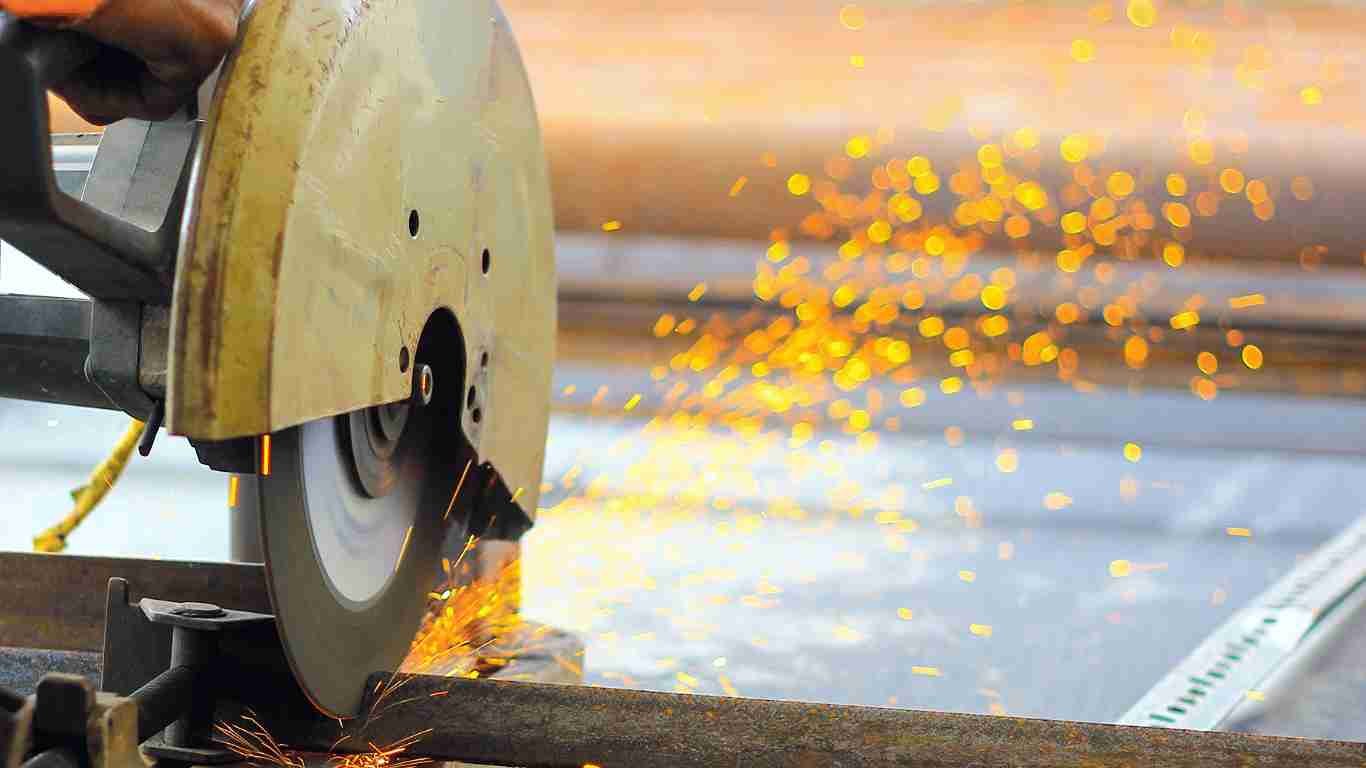
When we talk about hardness, we are talking about a material's ability to resist being scratched or deformed. In metal cutting, the blade’s edge must be significantly harder than the material it is cutting. I recently worked with a client in Germany, who was manufacturing stainless steel components. Their high-speed steel (HSS) blades were wearing out after just a few hours. This caused significant delays. I recommended tungsten carbide blades. The result was a game-changer for them. Their blade life increased by over four times. This is because tungsten carbide is one of the hardest materials used in tooling, second only to diamond. It easily handles tough metals like cast iron and high-carbon steel.
Hardness Comparison Of Blade Materials
| Material | Rockwell Hardness (HRA) | Key Characteristic |
|---|---|---|
| Carbon Steel | 60-70 | Inexpensive, low wear resistance |
| High-Speed Steel (HSS) | 80-87 | Good balance of hardness and toughness |
| Tungsten Carbide (TC) | 89-94 | Exceptional hardness and wear resistance |
MetalFab Solutions could not only cut longer, but they could also cut faster. This shows how crucial hardness is. It directly impacts both durability and performance.
How Does Heat Resistance Impact High-Speed Metal Cutting?
Do you notice your blades failing during high-speed cutting jobs? The extreme heat from friction can soften the blade's edge, leading to rapid wear and potential failure.
Heat resistance is critical because high-speed cutting generates intense temperatures that can ruin a blade. Tungsten carbide maintains its hardness even when red-hot, a property called "hot hardness." This allows it to run at higher speeds and feeds, boosting productivity where other blades would fail.
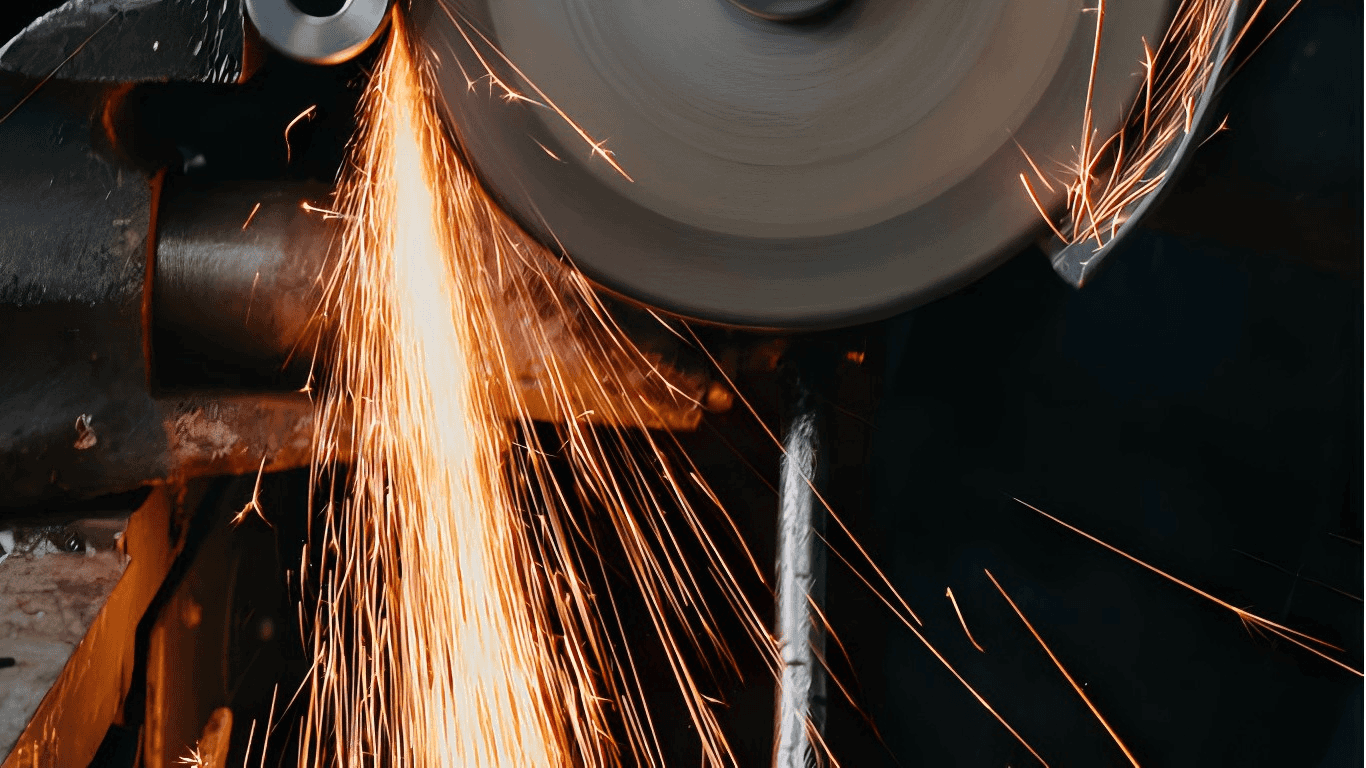
Think about the friction created when a blade moves through metal at high speed. This friction generates a huge amount of heat, often making the cutting edge glow red. For many steel blades, this is a disaster. The heat softens the metal in a process called annealing, and the sharp edge is lost almost instantly. We design tungsten carbide blades to combat this exact problem. Their unique composition allows them to retain their structural integrity and hardness at temperatures where HSS would have already failed. This property is vital for modern manufacturing, which demands high efficiency. By using carbide, our customers can increase machine RPMs and feed rates significantly, reducing cycle times and increasing output without sacrificing the life of the tool.
Maximum Operating Temperatures
| Material | Max. Operating Temp. | Performance Note |
|---|---|---|
| High-Speed Steel (HSS) | ~600°C (1100°F) | Starts to soften above this temp |
| Tungsten Carbide (TC) | ~1000°C (1800°F) | Maintains hardness at very high temps |
This ability to withstand heat is why industries like aerospace, which work with tough, heat-resistant superalloys, rely almost exclusively on carbide cutting tools. They simply get the job done faster and more reliably.
What Are The Best Applications For Tungsten Carbide In Metalworking?
Are you unsure if expensive carbide blades are the right investment for your specific job? Choosing the wrong tool can be a costly mistake in terms of both money and time.
Tungsten carbide blades are best suited for demanding applications like high-volume production, cutting hardened or abrasive metals, and tasks requiring extreme precision. Industries from automotive to aerospace use them for milling, slitting, and turning tough materials like stainless steel, cast iron, and titanium alloys.
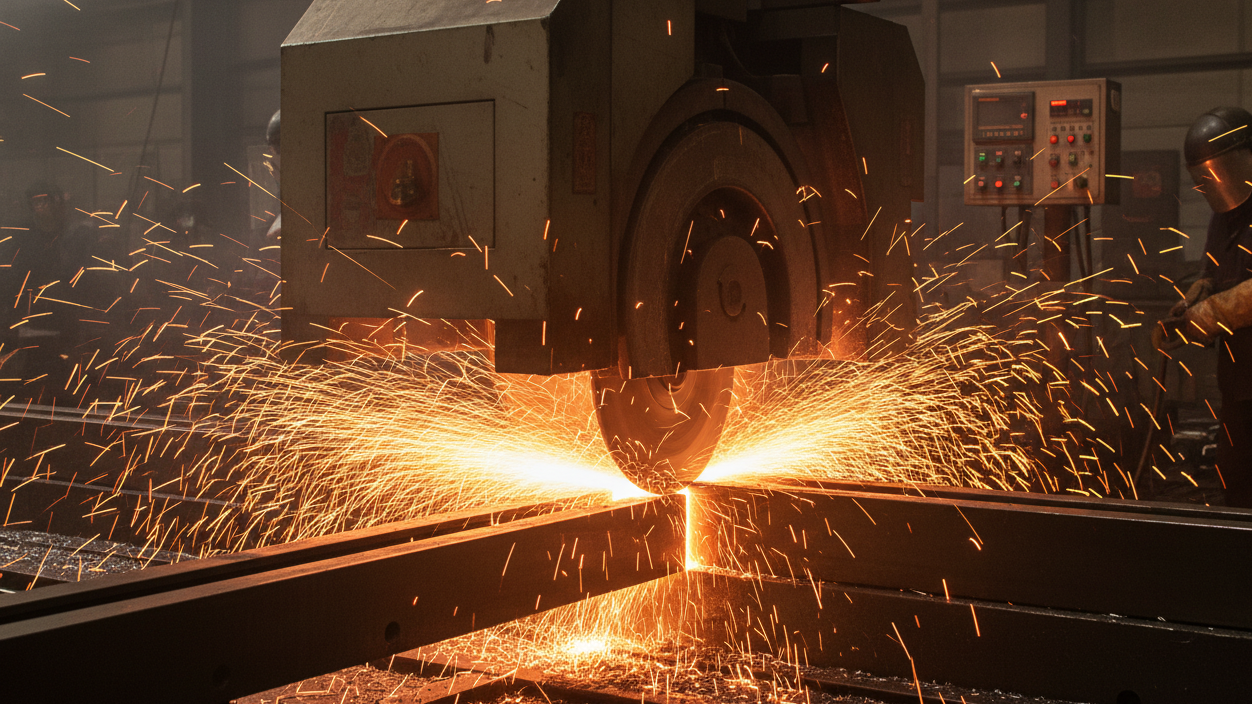
I've seen tungsten carbide solve problems in many specific areas. It is not a one-size-fits-all solution, but in the right context, its performance is unmatched. Think of it as a specialized tool for the toughest jobs.
Milling and Turning Operations
In modern CNC machining2, speed and precision are everything. Carbide inserts for milling and lathe work allow machines to run at their maximum potential. This is essential for producing complex parts with tight tolerances for the automotive and medical industries.
Slitting And Shearing
When processing large metal coils or sheets, blades must be durable to ensure consistent cuts over long production runs. Our carbide slitter knives3 provide clean edges and last much longer than steel alternatives, reducing downtime for blade changes.
Cutting Abrasive Metals
Metals like cast iron contain hard, abrasive particles that act like sandpaper on a cutting edge. Standard steel blades wear down very quickly. Tungsten carbide's superior wear resistance makes it the perfect choice for machining these challenging materials, ensuring a long and predictable tool life. The case of MetalFab Solutions I mentioned earlier is a perfect example of this. Their stainless steel application was a perfect fit for carbide's strengths.
Conclusion
Tungsten carbide blades are an excellent choice for cutting metals. Their superior hardness and heat resistance ensure high efficiency, precision, and durability in demanding industrial applications.
Explore the advantages of tungsten carbide blades, including their durability and efficiency in metal cutting applications. ↩
Get insights into CNC machining processes and how they benefit from using high-quality cutting tools. ↩
Explore the benefits of carbide slitter knives for achieving clean cuts and longer tool life. ↩