Skip to content
CNC Knife Blade
As a professional manufacturer and supplier of CNC knife blades, PASSION is committed to providing you with higher-performance products. Whether you are looking for standard blades or custom designs tailored to your project’s specific needs, PASSION can meet your requirements and be your efficient partner in all CNC precision cutting projects.
The CNC Knife Blade PASSION Offers You
PASSION provides a comprehensive range of CNC knife blades for any cutting application. Our extensive in-stock inventory includes drag, oscillating, rotary, tangential, and V-cut blades, ensuring we can rapidly fulfill your standard tooling requirements.
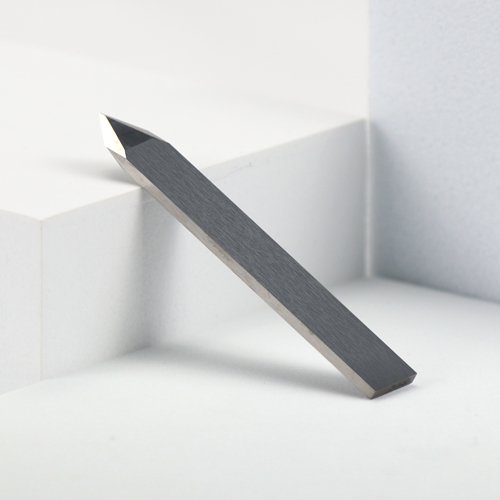
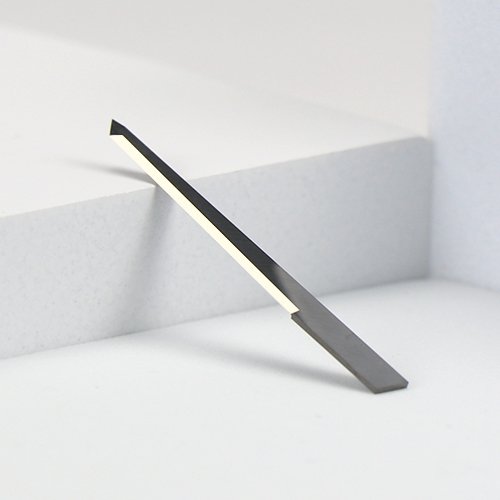
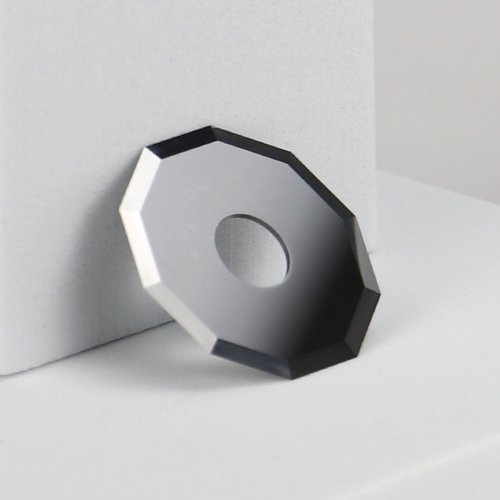
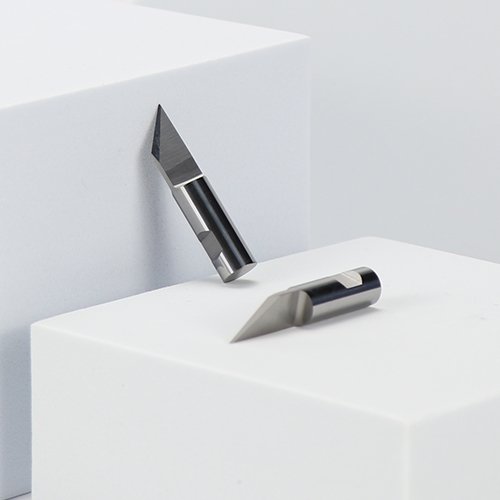
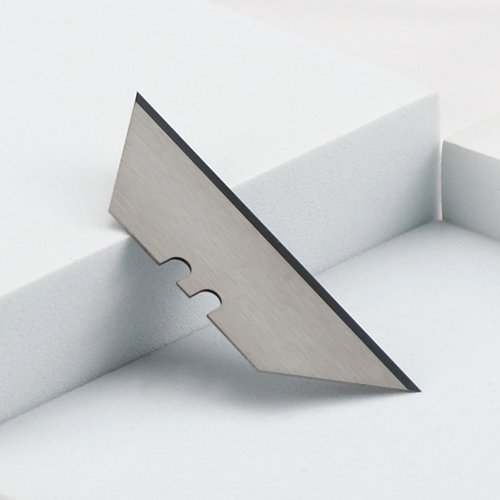
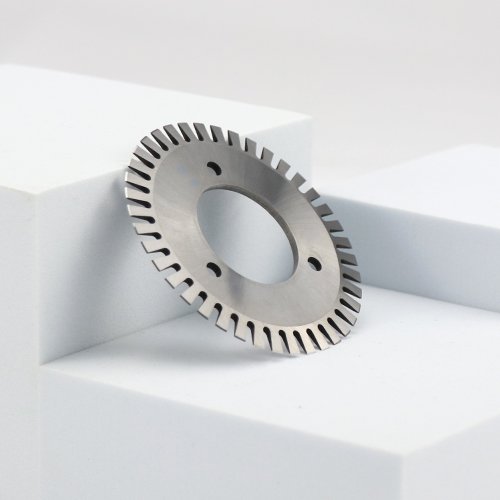
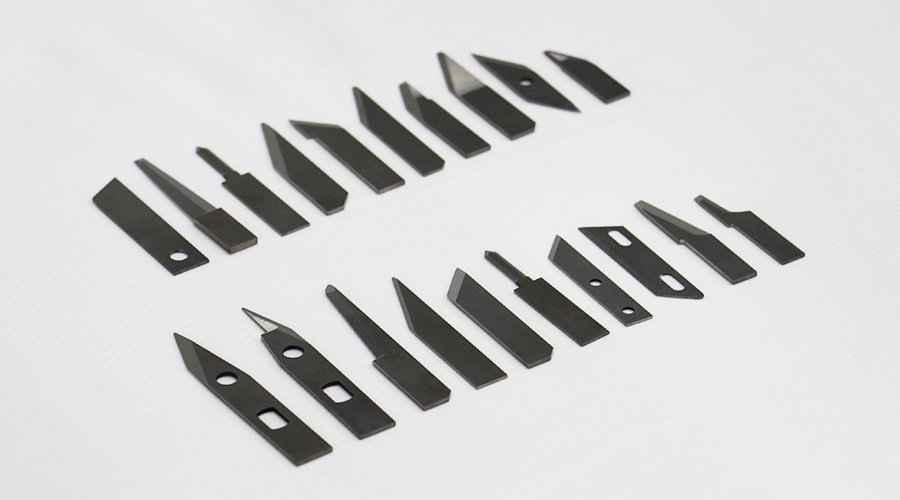
Some CNC knife blades on Display
For over a decade, we have been deeply engaged in the field of CNC knife blades, specializing in providing digital cutting solutions that meet the demands of high-speed, high-precision, and high-efficiency cutting. We offer all series of products, and below are images showcasing our best-selling items. We welcome your inquiries at any time.


Compatible CNC Machine Brands
PASSION can produce various types of CNC knife blades, and these blades are fully compatible with mainstream CNC cutting machine brands. If your or your customer’s machine brand is not listed, don’t worry—just provide the drawing or cutting effect, and I will design and make blades that fit your business.



Get Our Free Samples
Do you want to know the quality of our CNC blades? We can provide samples for you to try for free, just tell us which model you are interested in and we will confirm the sample details with you immediately, feel free to contact us.

What Is A CNC Knife Blade?
CNC knife blades, also known as oscillating knife blades or vibrating blades, are an advanced cutting tool that hat uses a machine with a computer-controlled blade to cut accurately and efficiently through high-speed reciprocating oscillating motion, cutting various materials into precise shapes and sizes.. This unique cutting method allows the oscillating knife blade to generate less friction and heat during the cutting process, thus effectively reducing deformation and damage to the cut material.
Unlike traditional die Blades, CNC knife blades is extremely flexible (requiring no additional tooling) and can quickly and easily cut through materials such as foam, rubber, carbon fiber cloth, leather, textiles, cardboard, and plastics with intricate designs and complex curves. By using specialized knife blades, customers can receive higher accuracy, more consistent quality, and faster production.
CNC Knife Blade Types and Functions?
CNC knife blades come in various types for different cutting needs and materials. Common types include: oscillating, drag, rotary, and round shank blades.

Drag Blades
Drag blades are a type of insert used for drag machining, usually with a large cutting area and high cutting forces. They are mainly used for removing large amounts of material in processes such as milling and planing. Drag cutting inserts usually have high wear resistance and toughness to ensure stable cutting performance over long periods of time.

Oscillating Blades
Oscillating blades are typically designed to provide consistent cutting performance during vibratory cutting processes. They vibrate to reduce cutting resistance and improve cutting efficiency and surface quality. These inserts are often used in cutting operations that require high precision and smooth surfaces. Oscillating blades can also be further classified as flat blade and pointed blade.

Round Shank Blades
Round shank blades are named after their unique round shank design, which makes them easier to install and secure. Round shank blades are typically used in cutting operations that require high rigidity and stability. Their material can be selected according to the specific cutting needs to provide the best cutting performance and durability. ESKO, ARISTO, etc., their Round shank blades have excellent quality and performance.

Rotary Blades
Rotary blades are one of the most common types of CNC knife blades and are usually mounted on rotary tools. They remove material by rotating at high speeds, providing efficient and precise cutting performance. Rotary blades come in a variety of designs to suit different cutting needs. One of the more common types is the Decagonal Knife.
CNC Knife Blade Parameters Explained?
Mastering your CNC requires a deep understanding of its blade parameters. This guide breaks down the essential specs—Cutting Angle, Maximum Cutting Depth, and Pre-cut/Post-cut—to help you optimize every cut for superior precision, efficiency, and tool longevity.
Cutting Angle
The cutting angle is the angle between the blade’s cutting face and the material surface. This parameter is critical for cutting performance and tool longevity, and its design must account for factors like material hardness, cutting speed, and feed rate. An optimal cutting angle reduces friction and cutting resistance, improving overall efficiency and cut quality while enhancing the blade’s strength and durability.
Maximum Cutting Depth
Maximum cutting depth is the deepest a blade can penetrate the material in a single pass. This parameter directly impacts machining efficiency and quality. Selecting the correct depth ensures the tool remains stable, reduces vibration and wear, and improves both accuracy and tool life. The ideal maximum depth depends on the material’s hardness, the blade’s strength, and the machine’s capabilities.
Pre-cut And Post-cut
Pre-cut (X1): The distance from the center of the axis of rotation to the first point where the cutting edge engages the material in the direction of travel.
Post-cut (X2): The distance from the center of the axis of rotation to the last point where the cutting edge engages the material.


What Are Common CNC Knife Blade Tip Types ?
CNC knife blade tip types can be categorized based on their geometry and intended use, including drag, flat, pointed, v-cut, and mat-cutting styles. The following is a detailed description of these common tip types.

Drag Tip
Shape Characteristics: The blade has a sharp, centered point with a defined offset from the tool’s axis of rotation. This design allows the blade to freely swivel or “caster” to follow the tool path.
Application Scenario: Commonly used for cutting intricate shapes, sharp corners, and detailed graphics in thin, flexible materials like vinyl, paper, cardboard, and thin plastics.
Advantages: Excels at producing fine details and sharp, clean corners. The drag motion is ideal for kiss-cutting media on a backing liner.

Flat Tip
Shape Characteristics: The tip is a flat cutting surface, similar to the edge of a chisel. It can be perpendicular to the blade shaft or angled for specific scraping or slicing actions.
Application Scenario: Suitable for tasks like scraping residues, making straight scoring lines, or performing chopping cuts in materials like leather, gaskets, or hard foams.
Advantages: Extremely durable and robust, ideal for straight-line cuts and scraping applications where a pointed tip might break.

Pointed Tip
Shape Characteristics: The tip of the blade is a sharp cone or needle-shaped; the angle is small, usually between 15° and 90°.
Application Scenario: Commonly used for fine engraving, contouring, or cutting tasks requiring high precision.
Advantages: Allows for high-precision machining, suitable for engraving and detailing of complex shapes. It is also suitable for detail-rich cutting with a pointed tip for easy handling of complex edges.

V-Cut Tip
Shape Characteristics: The tip of the knife is V-shaped, similar to the angle at which the two sides of the bevel intersect. The angle is available in various options (e.g. 30°, 45°, 60°, etc.).
Application Scenario: Specialized for V-groove processing, such as creating fold lines in honeycomb board or composite panels, and for PCB board depaneling.
Advantages: Perfect for creating clean, precise V-grooves for folding rigid materials. It enables the fabrication of 3D structures from flat sheets.

Mat-Cutting Tip
Shape Characteristics: Features a very acute angle and an elongated tip, optimized for piercing and slicing through thick yet soft materials.
Application Scenario: For cutting and processing of soft or composite materials such as mat board, rubber, leather, foam core , PVC sheet and leather.
Advantages: Blade design primarily focuses on sharpness and control to ensure no tearing of material edges. Optimized for specific materials, it delivers good cutting results and long tool life.
Other additional notes
Tip Angle: Different tip types may have different angle designs (e.g. 30°, 45°, 60°, etc.), which can affect cutting performance and machining results.
Cutting Tool Material: CNC knife blades are usually made of high speed steel, carbide or ceramic, etc. The specific choice depends on the machining material and machining requirements.
Tool Selection: When selecting CNC knife blades, it is necessary to consider comprehensively according to the processing material, processing requirements, processing accuracy and processing efficiency and other factors.
What Materials Are Used in CNC Knife Blades?
CNC knife blades are typically made from a variety of materials, each chosen for its specific properties and suitability for different cutting applications. Here are some of the most commonly used materials:
The properties of tungsten carbide can be precisely tailored by adjusting the grain size of the WC particles and the percentage of the cobalt binder.
- Sub-Micron & Micro-Grain Grades
- These grades use extremely fine tungsten carbide particles, resulting in superior hardness and wear resistance for an exceptionally sharp and durable cutting edge. They are ideal for precision cutting of abrasive materials like composite fibers, high-density cardboard, and certain industrial textiles, where edge retention is critical.
- Medium-Grain Grades (e.g., YG6, YG8)
- With a lower cobalt content (e.g., 6-8%), these grades prioritize hardness and wear resistance. They are excellent for cutting abrasive or dense materials where the primary failure mode is gradual dulling. Applications include cutting fiberglass pre-preg, thick gasket materials, and rigid plastics.
- High-Toughness Grades (e.g., YG12, YG15)
- With a higher cobalt content (e.g., 12-15%), these grades offer significantly better toughness and impact resistance. They are suitable for applications involving intermittent cuts, high speeds, or materials that may cause chipping on harder blades. Common uses include cutting corrugated materials, leather, rubber, and foam core.
D2 is a high-carbon, high-chromium air-hardening tool steel. It is one of the most popular materials for high-quality industrial blades due to its excellent balance of properties. It offers exceptional wear resistance thanks to a high volume of hard chromium carbides in its microstructure. After proper heat treatment, it can achieve high hardness (typically 58-62 HRC) while retaining reasonable toughness, making it far superior to simple carbon steels. D2 steel is commonly used for blades that need to maintain a sharp edge for a long time when cutting abrasive materials like thick paper, cardboard, and some plastics.
M2 High-Speed Steel: M2 is the most widely used and versatile type of high-speed steel. Its key advantage is a superb combination of toughness and wear resistance. This makes M2 blades durable, chip-resistant, and cost-effective, ideal for applications with vibration or risk of blade fracture. They are suitable for a wide range of cutting tasks, including fabrics, films, foils, and various gasket materials.
Ceramic materials have high hardness, high wear resistance and good corrosion resistance, but the toughness is relatively low. Ceramic blades are usually used in cutting applications that require high precision and long life, such as slicing brain tissue in vibrating slicers. In the field of industrial small pointed knives, ceramic material is relatively rare, but still has its advantages in specific applications.
What Tool Heads Are Commonly Used On CNC Knife Cutters?

EOT (ELECTRIC OSCILLATING TOOL)
The EOT is a versatile cutting head powered by an electric motor that creates a high-frequency vertical oscillation. This rapid up-and-down sawing motion allows for clean, precise cuts in a wide range of medium-density materials, making it a go-to tool for applications requiring accuracy. It is ideal for cutting foam board, rubber, gasket materials, corrugated cardboard, leather, and various industrial textiles. The EOT offers an excellent balance of speed, precision, and power for the majority of common cutting tasks.

POT (PNEUMATIC OSCILLATING TOOL)
The POT is a heavy-duty head that uses compressed air to drive a powerful piston, generating significantly more cutting force and a longer blade stroke than an EOT. This robust design makes it the ideal solution for cutting through thick, tough, and dense materials that are too challenging for less powerful tools. It is specifically engineered for heavy-duty applications, efficiently processing materials like dense foam, thick rubber up to 50mm, honeycomb panels, and resilient gasket materials.

DRT (DRIVEN ROTARY TOOL)
The DRT is a powered head that uses a motor to spin a circular or decagonal (10-sided) blade. This “pizza cutter” style rolling action allows it to slice cleanly through flexible and porous materials without the snagging or distortion that a drag knife would cause. Its main purpose is to ensure smooth, precise cuts on challenging fabrics. Therefore, the DRT is the essential tool for processing textiles, technical fabrics, single-ply carbon fiber, and other fibrous materials that tend to pull or bunch.

UCT (UNIVERSAL CUTTING TOOL)
The UCT is a fundamental, non-powered tool head that functions as a drag knife holder. The blade swivels freely to follow the machine’s path, and as the gantry moves, it simply drags the sharp tip through the material to perform a cut. Because it relies solely on drag force, the UCT is suitable only for thin and relatively easy-to-cut materials that do not require powered action. It is commonly used for processing paper, cardboard, self-adhesive vinyl, thin plastics, and various foils.

VCT (V-CUT TOOL)
The VCT is a specialized, non-powered tool designed to cut V-shaped grooves into rigid sheet materials at various angles (e.g., 15°, 22.5°, 30°, 45°). Instead of cutting completely through the material, it creates precise channels that allow the sheet to be folded neatly into complex 3D structures. This makes it indispensable for producing high-quality packaging prototypes and POP/POS displays. It is primarily used with structural foam boards, honeycomb panels, and corrugated plastics.
How Are The Applications For A CNC Knife Blade?
CNC Knife Blades have a wide range of applications in various industries. The following will show their specific applications in different industries and what materials they can cut.


How Often To Replace A CNC Knife Blade?
In the field of CNC machining, the replacement cycle of CNC knife blades is an important issue for productivity, cost control and machining quality. The durability and replacement cycles of CNC knife blades made of different materials show significant differences in the face of diverse cutting materials.
Tungsten Carbide CNC Knife Blade
Tungsten carbide is the industry standard for high-performance blades due to its exceptional hardness and wear resistance. It maintains a sharp edge for far longer than steel, making it the best choice for cutting abrasive materials (e.g., fiberglass composites, gasket materials, honeycomb board) or for high-volume production runs on materials like cardboard and plastics. While it offers the longest lifespan, it is more brittle than steel and can chip if used improperly or on materials with hard inclusions.
High-Speed Steel (HSS) CNC Knife Blade
HSS blades offer an excellent combination of toughness and affordability. Their primary advantage is their resistance to chipping and breaking, making them a reliable choice for general-purpose cutting or applications involving intermittent cuts where a carbide blade might be too fragile. They perform well on materials like fabrics, leather, and softer plastics. While more durable against impact, HSS blades will dull significantly faster than tungsten carbide, especially when cutting abrasive materials, requiring more frequent replacement.
Ceramic CNC Knife Blade
Ceramic blades represent the pinnacle of hardness and wear resistance, surpassing even tungsten carbide. They are used in highly specialized, niche applications for cutting the most extremely abrasive materials, such as carbon fiber composites, Kevlar, or magnetic tape, where even carbide blades wear out too quickly. However, they are extremely brittle and fragile, requiring a very stable cutting process. Their use is limited, but they provide the ultimate performance in specific, challenging scenarios.
Important Notes: Practical Signs It's Time to Replace Your Blade
Instead of relying on a fixed time, the best practice is to monitor the cutting results. You should replace the blade immediately when you observe any of the following signs, as a dull or damaged blade increases strain on the machine and produces waste.
- Poor Cut Quality: The cut edge is no longer clean and becomes frayed, fuzzy, or has burrs.
- Increased Drag Or Material Tearing: The blade starts to pull or tear the material instead of slicing cleanly, especially at corners.
- Audible Changes: The cutting process becomes noticeably louder, or you can hear a “dragging” sound.
- Visible Damage: The blade tip is visibly broken, chipped, or rounded.