Skip to content
Struggling to find one blade that fits all your machines? This costly search often leads to damaged materials and production delays, creating constant frustration. The solution lies in understanding blade specificity.
No, CNC oscillating tools do not use the same industrial blades. Each tool brand, like Zund, Esko, or Atom, has specific blade interfaces and clamping mechanisms. They are also optimized for different vibration frequencies and amplitudes, so using an incompatible blade can cause poor performance and safety risks.
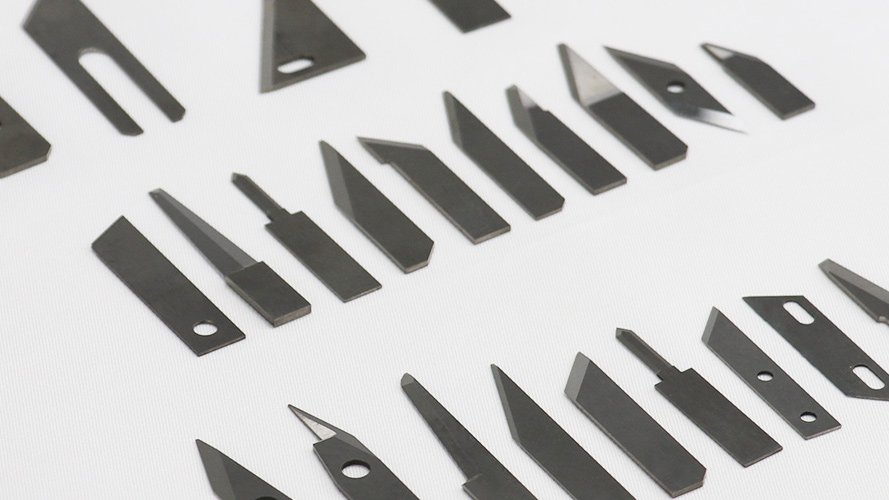
This might seem complicated, but it is a critical detail for anyone in our industry. I have seen firsthand what happens when companies use the wrong blade. A small mismatch can lead to big problems. Let me share some real-world examples to show you why matching the right blade to your tool is so important for your success. Let's break it down further to help you avoid these common mistakes.
Why Does The Blade Holder Interface Matter So Much?
Have you ever had a blade slip or wobble during a cut, ruining expensive material? It's a costly mistake that halts production, creates waste, and causes major headaches for your team.
The blade holder interface1 is crucial because it ensures the blade is securely fastened. Brands like Zund, Esko, and Summa use unique mounting systems like specific holes, grooves, or bayonets. A mismatch can cause blade movement, leading to inaccurate cuts, material damage, and potential safety hazards.
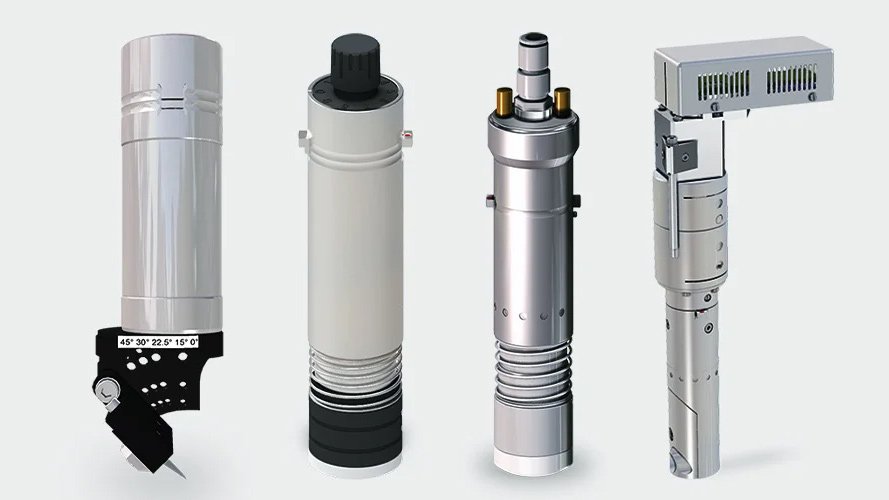
The way a blade connects to the CNC oscillating tool is not standardized across the industry. Each manufacturer designs its holder and blade interface to work together perfectly. This ensures that the extreme forces from high-frequency vibration2 are managed correctly. If the interface is not a perfect match, the blade will not sit securely. Even a tiny amount of movement can lead to a disastrous cut.
I remember a packaging company in Germany that contacted me. They were cutting thick corrugated board with a Zund tool and experienced jagged cuts and frequent tearing. During an online meeting, they showed me the blade they were using. It looked almost identical to the correct one, but I noticed the mounting interface was slightly off. It was a blade designed for a different system. This small difference caused the blade to vibrate erratically in the holder. We sent them the correct blades with the proper Zund interface, and their cutting quality improved immediately.
Holder Designs and Mismatch Risks
The variations in holder design are purposeful. They are engineered for optimal stability and performance for that specific machine. Using an incompatible blade bypasses these engineering safeguards.
| Holder Type | Common On Brands | Risk of Mismatch |
|---|---|---|
| Multi-tooth Bayonet | Zund, Esko | Insecure fit causes wobbling and inaccurate cuts. |
| Three-Hole Position | Atom | Can cause incorrect blade alignment and stress fractures. |
| Eccentric Groove | Summa | Risk of blade detachment and inaccurate cutting depth. |
| Single Round Hole | Various | High risk of slippage and poor centering without proper torque. |
How Do Vibration Frequency And Amplitude Affect Blade Choice?
Are your blades breaking or wearing3 out much faster than you expect? Constantly replacing blades eats into your profits and causes frustrating downtime, slowing down your entire production line.
Every CNC oscillating tool operates at a specific frequency (speed) and amplitude (stroke length). Blades are engineered with a specific thickness, length, and material to withstand these forces. Using a blade not designed for your tool’s dynamics can lead to premature failure, breakage, or poor cutting performance.
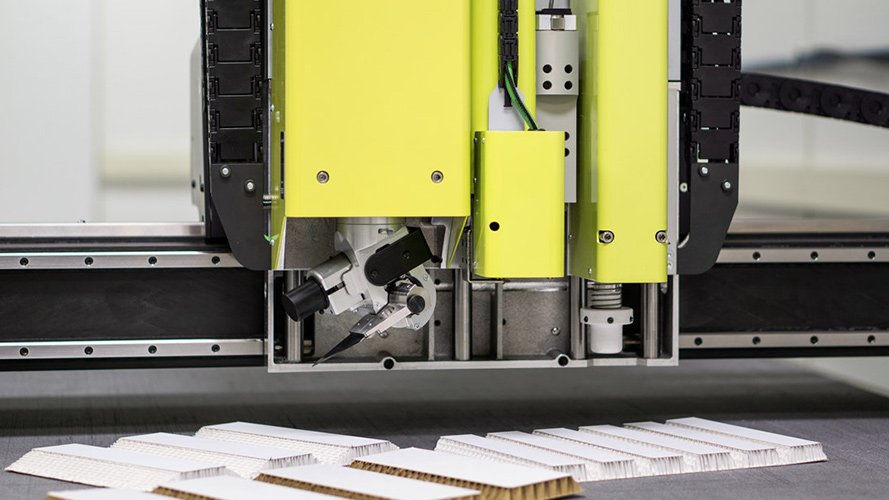
Think of frequency as how fast the blade moves up and down, measured in Hertz (Hz). Amplitude is how far it travels in each movement, measured in millimeters (mm). A machine designed for high frequency with low amplitude needs a very different blade than a machine with low frequency and high amplitude. The blade’s design4, including its material5, thickness, and geometry, is optimized to handle these specific dynamic forces without failing. A mismatch means you are putting the blade under stresses it was never designed to handle.
I worked with a textile manufacturer in Brazil who was facing this exact issue. They were cutting thick synthetic fabrics with an Atom blade, and their blades kept snapping. They initially thought it was a blade quality problem. During an online call, they shared their machine model and the blades they were using. I quickly identified that the blades were too thin. Their Atom machine operated with a high amplitude, meaning a long cutting stroke. This long stroke put too much bending stress on the thin blade, causing it to fatigue and break. We provided them with a thicker, more robust blade from our catalog, engineered specifically for their tool’s high-amplitude dynamics. The breakage problem stopped completely, saving them time and money.
Can't I Just Use A Blade If It Physically Fits?
You found a cheaper blade that seems to fit your machine. It is tempting to use it and save some money, right? But this small saving can lead to big problems down the road.
No, you should not use a blade just because it physically fits. Even if the blade can be mounted, its thickness, length, or material might be wrong for the tool's programming and dynamic forces. This mismatch can result in poor cut quality6, excessive machine vibration, and even damage the cutting head.
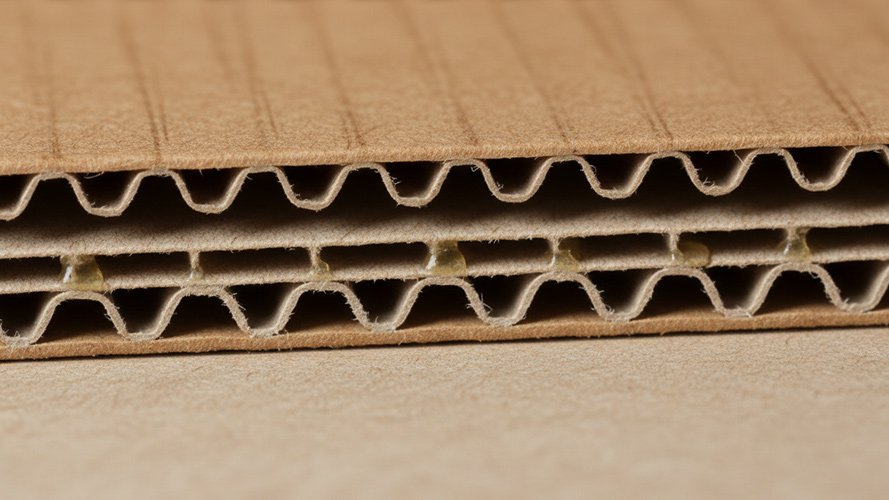
A "good enough" fit is rarely good enough for precision cutting. CNC tools are highly calibrated instruments. The software and control systems are programmed based on the exact specifications of the recommended blade, including its weight, stiffness, and thickness. When you introduce a blade with different properties, even if it mounts correctly, the machine's performance is compromised. It can cause the control system to overcompensate or underperform, leading to inconsistent results. The vibration can feel harsher, which puts extra strain on the tool's bearings and mechanical parts over time.
A client in Mexico who produces rubber gaskets is a perfect example. They were using a non-standard blade on their Esko machine because it was easy to get and fit the holder. However, they contacted me because they were struggling with inconsistent cut depths and frayed edges on their gaskets, leading to a high rejection rate. I explained via email that while the blade mounted correctly, its thickness was different from the OEM specification. The Esko machine's software, which controls cutting pressure, was calibrated for a specific blade thickness. The incorrect thickness meant the pressure was always wrong. Once we supplied them with the correct blades, their cutting precision was restored, and their product quality improved dramatically.
Conclusion
Choosing the right CNC oscillating blade is about precision, not convenience. Always match the blade to your tool's specific requirements to ensure optimal performance, safety, and a perfect cut every time.
Learn about blade holder interfaces to ensure secure blade attachment and prevent production issues. ↩
Understanding high-frequency vibration can help you optimize your tool's performance and longevity. ↩
Explore this resource to understand the factors leading to blade breakage and wear, ensuring optimal performance and cost savings. ↩
Understanding blade design is crucial for optimizing performance and preventing costly mistakes in CNC machining. ↩
Understanding the right materials for CNC blades can enhance cutting performance and reduce costs, ensuring quality results. ↩
Exploring factors that influence cut quality can lead to better production outcomes and reduced errors. ↩