Skip to content
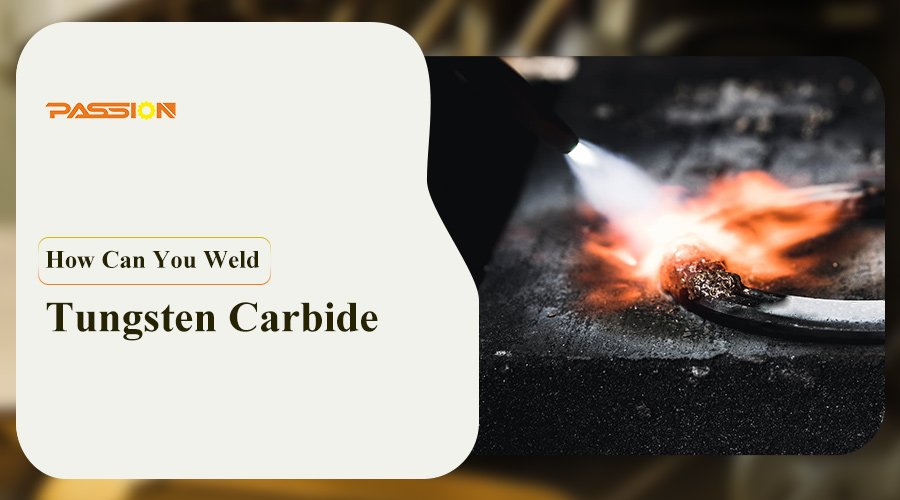
Welding tungsten carbide is a tricky proposition because it’s a composite material. It’s not weldable in the traditional sense, but there are ways to join it to other materials, like steel, using brazing. Brazing tungsten carbide requires some special steps and materials to get a good result. Done right, brazing will give you a joint that can take a lot of abuse and temperature changes, which is perfect for high-performance tools and parts.
Tungsten carbide isn’t something you can weld like regular steel because it’s a composite material. Instead, you can join it to other materials, like steel, using brazing. When you braze tungsten carbide, you use special steps and materials to get a good result. If you do it right, you’ll end up with a joint that can take a lot of abuse and temperature changes, which is perfect for high-performance tools and parts. In this section, we’ll talk about how to join tungsten carbide to steel, look at some other ways to do it, and go through the details of the brazing process to make sure you get a good, strong joint.
How To Join Tungsten Carbide To Steel
Brazing is the most common way to join tungsten carbide to steel. It involves melting a filler material, usually a silver or copper-based alloy, to create a strong joint between the two materials. The key to brazing is picking the right filler material, preparing the surfaces properly, and heating things up without damaging the tungsten carbide or the steel.
Here’s how the brazing process works:
1. Prepare the surfaces: Clean and rough up the tungsten carbide and the steel. This helps the melted filler flow and stick better, so you get a stronger, more reliable joint. You want to get rid of any oxides or other stuff that could weaken the bond.
2. Put on the flux: Apply a flux to the surfaces to keep them from oxidizing while you heat them up. The flux acts like a protective barrier, so the filler metal can flow and stick to the surfaces better, giving you a stronger joint.
3. Heat things up: Gradually heat the parts with a torch or in a furnace until the filler metal melts and flows into the joint. The temperature you need depends on the specific brazing alloy you’re using, but it’s usually between 600 and 900 degrees Celsius (1112 and 1652 degrees Fahrenheit). You want to heat things up slowly so you don’t shock the tungsten carbide and make it crack.
4. Cool things down: Let the joint cool down slowly. If you cool it off too fast, you can put stress on the carbide and make it crack. Controlled cooling helps relieve any stress that might have built up inside the joint while you were heating it up, so it lasts longer and works better.
To get a good bond between tungsten carbide and steel:
Watch the heat: Don’t overheat things. If you do, you can weaken the bond and damage the carbide. You have to keep the temperature just right, so the filler metal doesn’t vaporize or fail to flow right.
Pick the right filler: Silver and copper-based brazing alloys are the most common because they have high melting points and stick well. The filler metal you pick will affect how strong the joint is, how well it resists corrosion, and how well it works overall.
Can Tungsten Be TIG Welded?
Pure tungsten has been used historically in TIG (Tungsten Inert Gas) welding, especially for joining aluminum and magnesium alloys. But that’s different from working with tungsten carbide. In TIG welding, tungsten electrodes are non-consumable and provide the arc you need to weld metals. Tungsten has a high melting point, which makes it a good choice for this kind of welding. But that doesn’t apply directly to tungsten carbide because of the way it’s made and what it’s made of.
When it comes to tungsten carbide, TIG welding isn’t usually the way to go because of the way the material is. Instead, brazing is the preferred method because it can create a strong joint without messing up the carbide. Brazing gives you a more controlled way to join things together that works with the hardness and brittleness of tungsten carbide, so you get a good, durable connection.
What Is The Brazing Alloy For Tungsten Carbide?
There are several brazing alloys used for tungsten carbide, each with unique properties:
BAG-3 (50% Silver with Cadmium): This alloy offers excellent bonding, but it contains Cadmium, which is hazardous if not handled properly. This alloy is preferred when a high-strength joint is necessary. It flows very well and wets out tungsten carbide very well, resulting in a strong, reliable joint. However, because of the Cadmium, precautions must be taken to avoid exposure to harmful fumes during the brazing process.
BAG-7 (56% Silver with Tin): This alloy is commonly used because it wets out very well. However, it is weaker than BAG-3, and joint failure can occur under high stress. Despite this, it is often chosen because it is easy to use and makes a clean, strong bond in less demanding applications.
Copper as a Connecting Medium: Copper-based brazing alloys are an alternative to silver-based fillers. They offer good strength and are more cost-effective. Copper makes an excellent intermediary because it has high thermal and electrical conductivity and can absorb the thermal expansion differences between tungsten carbide and steel, reducing the risk of cracking. Additionally, copper is ductile, so it can deform slightly under stress, providing a more flexible joint that can withstand vibrations and impact better than a more rigid joint. This flexibility makes copper alloys particularly suitable for applications where the joint may be subjected to dynamic loading or temperature fluctuations.
When using copper-based alloys, a nickel layer is often applied to the tungsten carbide surface before brazing to improve the wettability of the filler. The choice between silver and copper brazing alloys depends on the specific requirements of the application, including operating temperature, joint strength, and cost considerations. For example, if cost efficiency and flexibility are important, copper alloys are ideal. On the other hand, if maximum strength and precision are needed, silver-based alloys might be the better choice.
How To Weld Tungsten Carbide To Steel
To weld tungsten carbide to steel using brazing:
Surface Preparation: Grind the surfaces to be joined to make sure they are clean and smooth. This is important to get rid of any surface oxides or contaminants that could mess up the brazing process.
Applying the Brazing Alloy: Use a silver or copper-based brazing alloy and put some flux on it to help it stick. Make sure the brazing rod or wire you use is right for the job, considering things like joint strength and operating temperature. Picking the right brazing alloy is important to get the joint properties and performance you want.
Heating: Gradually heat the parts up with a torch or induction heating. The filler metal should melt and flow into the joint, kind of like when you sweat a copper pipe. You have to control the temperature carefully to make sure the filler metal flows right and makes a good bond.
Cooling: Let the joint cool down slowly so it doesn’t crack from the heat. The controlled cooling process helps keep the joint from getting too stressed out and makes sure it stays together.
Doing the job right takes the right technique and equipment. For example, using a carbide welding machine gives you control over the heat and lets you put the filler material right where you want it. That control is what you need to make a good joint that can take the kind of beating it’s going to get in the real world.
Challenges In Welding Tungsten Carbide
Welding tungsten carbide is a tricky business because:
It’s Brittle: Tungsten carbide is naturally brittle, so it can crack under high stress. You have to be careful when you handle it and control the process precisely to keep from breaking it.
It’s Hot: Too much heat can ruin the carbide and make the joint fail. You have to heat it up just right to keep from shocking it and causing cracks or weakening the joint. Using temperature-controlled furnaces or torches can help you keep the heat where it needs to be.
It’s Picky: You have to make sure the filler material you use gets along with the stuff you’re trying to weld. If the materials don’t play nice together, you’ll end up with a weak joint, corrosion, or some other kind of failure. You have to pick the right brazing alloy that works with both the tungsten carbide and the steel.
By knowing about these challenges and using the right techniques, like getting the surface ready and controlling the heat, you can keep the risks down. If you use good equipment and follow the instructions, you’ll end up with a weld that works and lasts.
Welding tungsten carbide is a specialized process, typically involving brazing rather than traditional welding techniques. Brazing is a secure way to join tungsten carbide to steel, using silver or copper-based alloys to create a strong bond. Copper-based brazing alloys are flexible and can absorb differences in thermal expansion, making them a good alternative to silver. Knowing the right procedures and materials to use will help ensure the weld lasts and performs well. If you’re doing this for an industrial application, I’d recommend getting a professional to help you out. The precision required to braze tungsten carbide is beyond what you’d do with normal welding.
By focusing on these methods and challenges, you can ensure that tungsten carbide components are securely joined, providing the durability and performance needed in demanding industrial environments. Whether you are looking to join parts for cutting tools, wear-resistant components, or other industrial applications, mastering the brazing process for tungsten carbide will make your products better and last longer.