Skip to content
Choosing the wrong heat treatment1 for your blades can lead to frequent failures and costly downtime. Understanding the difference is key to maximizing blade life and cutting performance.
The best hardening method depends on your specific needs. Choose through-hardening2 for blades that require uniform hardness and high structural strength, like shear blades. Opt for surface hardening3 when you need a wear-resistant edge4 combined with a tough, shock-absorbent core5, ideal for slitting knives.
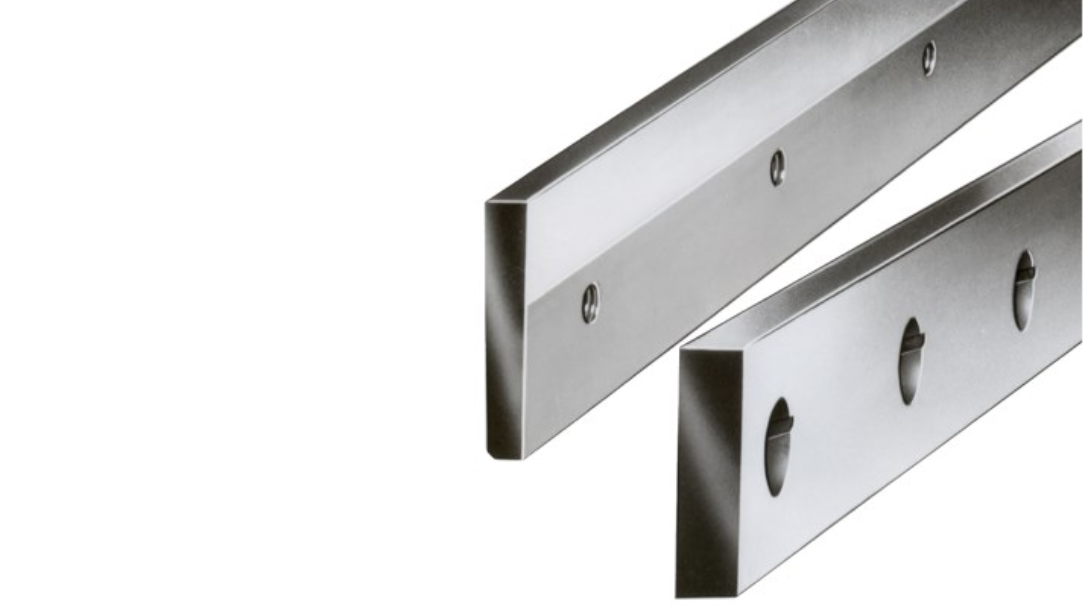
The heat treatment process is one of the most critical steps in blade manufacturing. It is not just a technical detail; it is what gives a blade its final character, determining its strength, durability, and overall performance in your machine. Making an informed choice between through-hardening and surface hardening can dramatically improve your operational efficiency. Let's explore these two methods so you can select the perfect blade for your production line.
What Is Through-Hardening And When Should You Use It?
Are your blades wearing down evenly but suddenly snapping under high stress? This often points to a need for uniform strength, which is exactly what through-hardening is designed to provide.
Through-hardening involves heating the entire blade to a specific temperature and then quenching it. This process makes the blade hard and strong from the surface all the way to the core. It is the ideal choice for blades that face consistent, heavy-duty work and uniform wear.
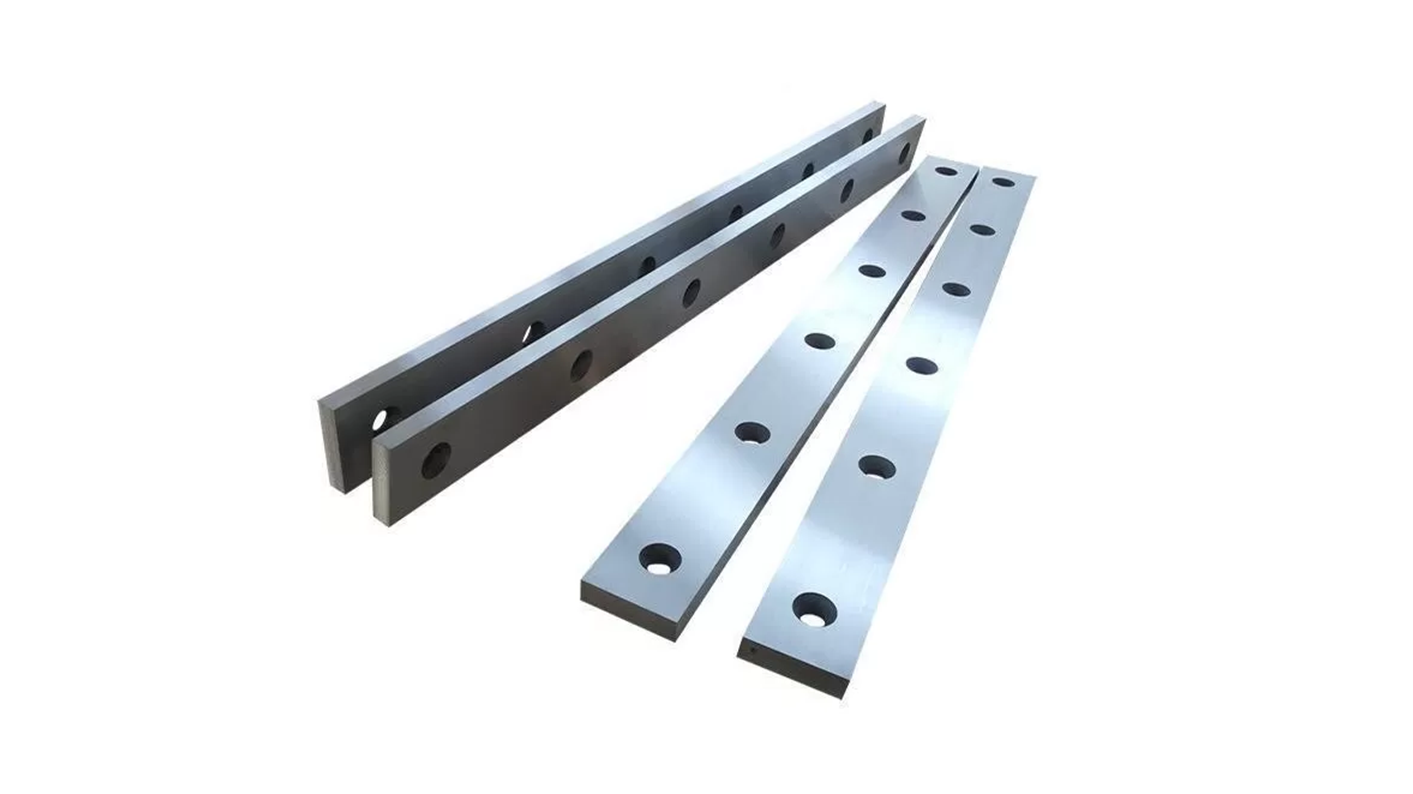
In my experience, through-hardening is a straightforward and highly effective process. We heat the entire piece of steel until its internal structure changes. Then, we cool it rapidly. This locks in a hard, strong structure throughout the blade. After quenching, we temper the blade to reduce brittleness and add some toughness. The main goal is to achieve uniform hardness. This means the blade's cutting edge is just as hard as its core. This is very important for applications where the entire blade body is under stress, not just the edge. Think of large shear blades cutting through metal sheets or granulator knives chopping up tough plastics. They need consistent strength to avoid bending or breaking.
Key Characteristics Of Through-Hardened Blades
The main advantage of a through-hardened blade is its structural integrity. Because the hardness is consistent, the blade wears predictably and can be re-sharpened multiple times without losing its core properties. However, this uniform hardness also means the blade has lower overall toughness compared to a surface-hardened one. If the application involves sudden, sharp impacts, a through-hardened blade might be more prone to chipping or fracturing.
| Pros of Through-Hardening | Cons of Through-Hardening |
|---|---|
| Uniform hardness and strength | Lower toughness and impact resistance |
| High structural integrity | More brittle under shock loads |
| Predictable wear patterns | Can be more costly for larger blades |
| Excellent for full-edge cutting | Higher risk of distortion during quenching |
What Is Surface Hardening And Why Is It A Good Choice?
Do your blades perform well initially but the cutting edges chip or dull quickly when cutting tougher materials? This suggests you need a blade that can withstand impact while holding a sharp edge.
Surface hardening, also known as differential hardening, treats only the cutting edge of the blade. This creates an extremely hard, wear-resistant surface while the core remains softer and tougher. This dual-property design is perfect for blades that need to absorb shock and vibration.
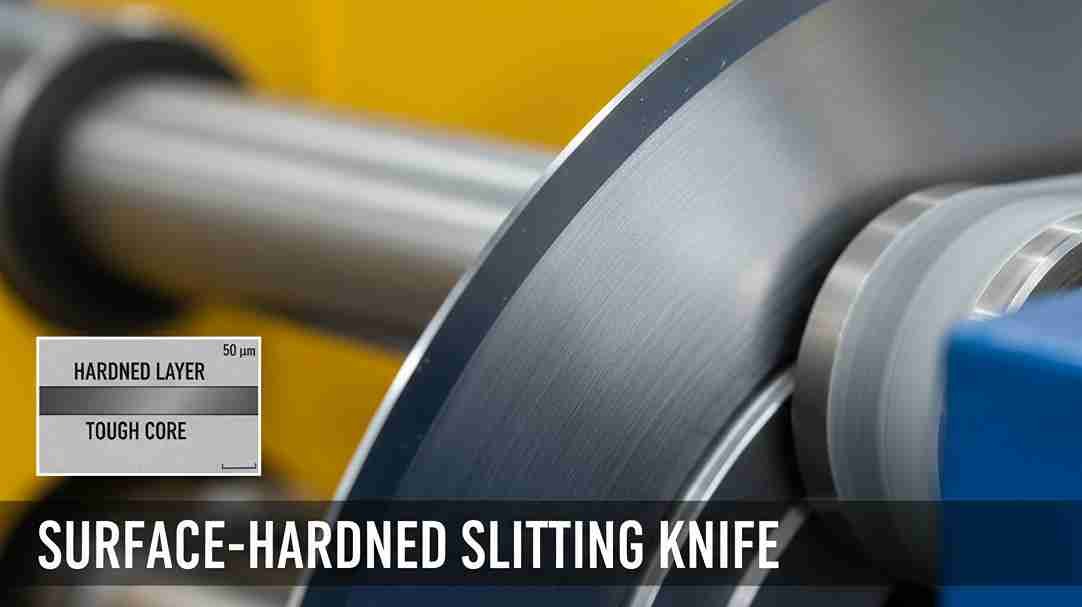
We often recommend surface hardening for blades used in high-speed, repetitive cutting operations. Think of it like giving the blade an armored coat just where it needs it most: the cutting edge. We use techniques like induction heating to precisely heat only the edge area of the blade. Then we quench it rapidly. The result is a blade with two personalities. The edge is incredibly hard, allowing it to stay sharp for a long time. The body, or core, of the blade remains softer and more ductile. This softer core acts as a shock absorber, preventing the blade from shattering under sudden impacts. This is incredibly useful for applications like slitting paper or film, where the blade encounters constant vibration, or in packaging machines where blades may hit staples or other unexpected objects.
The Dual-Nature Advantage
This combination of a hard edge and a tough core is the biggest advantage of surface hardening. It makes the blade safer to use because it is far less likely to fracture catastrophically. Instead of shattering, it might bend or deform under extreme stress, giving operators a warning. This process is also more energy-efficient and can reduce the risk of the entire blade warping during heat treatment, which is a common concern with large or thin blades.
| Pros of Surface Hardening | Cons of Surface Hardening |
|---|---|
| Excellent impact and shock resistance | Non-uniform hardness throughout the blade |
| Very hard, wear-resistant cutting edge | Hardened layer is finite |
| Tough, ductile core prevents fractures | May not be suitable for heavy-duty shearing |
| Less risk of blade distortion | Requires more precise process control |
How Do Application And Material Affect The Hardening Choice?
You understand the two processes, but how do you know which one fits your specific machine and material? The wrong pairing can destroy a blade quickly, even if it's made from high-quality steel.
Your application is the most important factor. High-impact jobs like metal shearing favor the toughness from surface hardening. High-precision jobs like film slitting need the uniform wear of through-hardening. Furthermore, some materials like High-Speed Steel (HSS) must be through-hardened to function correctly.
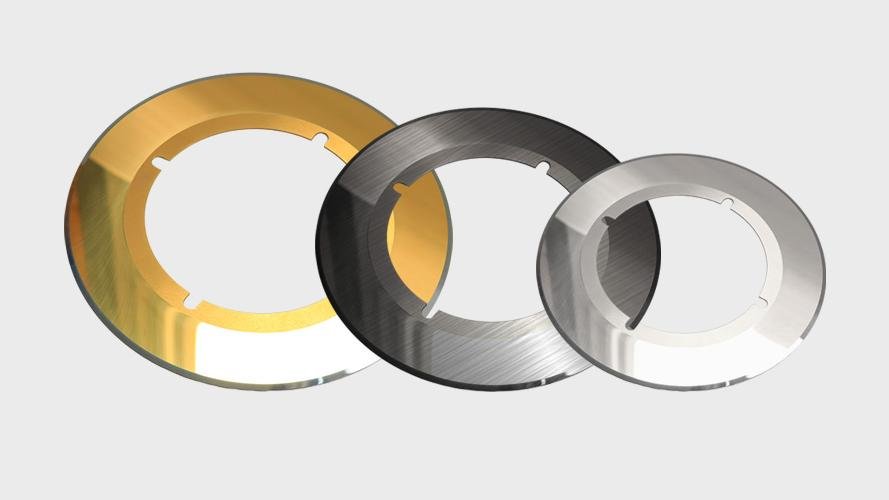
When customers call me, the first questions I ask are always, "What are you cutting?" and "What does the cutting action look like?" The answers tell me almost everything I need to know about which hardening process is best. It’s a practical decision that directly links the blade's properties to the job it has to do every day.
Application-Driven Decisions
If you are doing heavy-duty cutting that involves a lot of force and potential impact, like chopping recycled plastic or shearing rebar, the core strength is critical. A blade needs to absorb that energy without breaking. This is where surface hardening shines. The tough, unhardened core provides the necessary resilience. On the other hand, if you are slitting a perfectly uniform material like plastic film for thousands of feet, the main enemy is abrasive wear. You need an edge that wears down slowly and evenly. Here, a through-hardened blade is often better because its uniform structure provides consistent performance as it wears.
Material-Specific Requirements
The blade material itself also sets some rules. For example, High-Speed Steel (HSS) is famous for its "red-hardness," which is its ability to stay hard even at high temperatures caused by friction. To achieve this property, HSS must be through-hardened. There's no other way to activate its full potential. Conversely, materials like Tungsten Carbide or ceramics are not hardened in this way at all. Their hardness and strength are set during the sintering process when they are first made, so these heat treatments don't apply.
Which Key Factors Should Guide Your Final Decision?
You have all the technical details, but making the final call can still feel difficult. To simplify it, I always advise my clients to focus on a few key factors to make a confident decision.
Focus on four things: the level of impact your blade faces, the expected wear pattern, your precision requirements, and your budget. A clear assessment of these factors will point you directly to the right hardening process for your operation, just as it did for one of my clients.
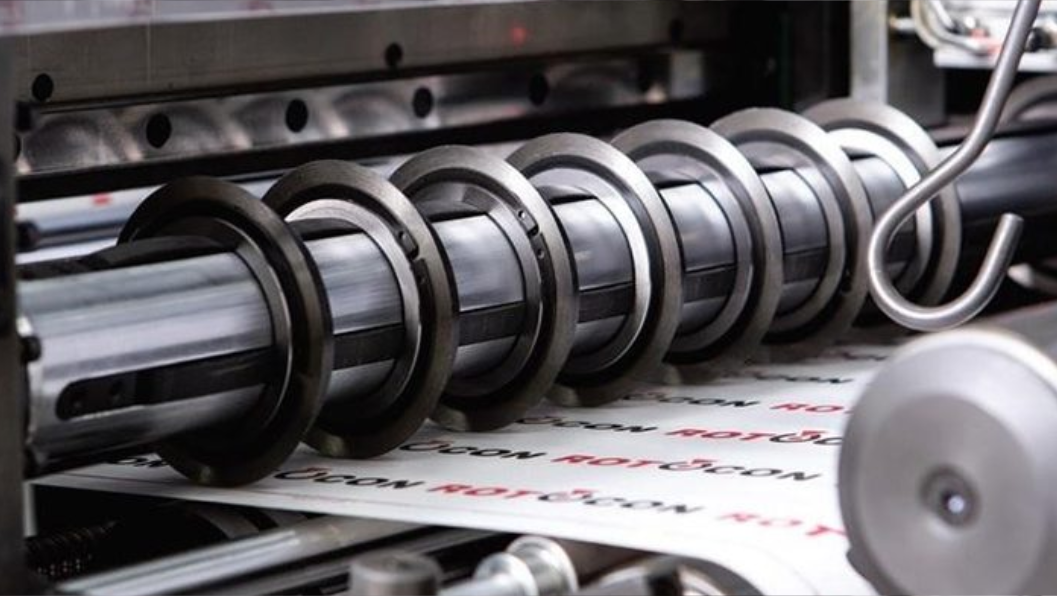
Overthinking can lead to confusion. I have found that breaking the decision down into a simple checklist makes the choice clear. It moves the discussion from abstract technical terms to the practical realities of your production floor. By walking through these factors, you can effectively match a blade's characteristics to your needs.
A Quick Decision Guide
I created this simple table to help my customers organize their thoughts. It serves as a great starting point for our discussions.
| Factor | Choose Through-Hardening When... | Choose Surface Hardening When... |
|---|---|---|
| Impact Load | The cutting action is smooth and low-impact. | The cutting action involves high shock or vibration. |
| Wear Pattern | Wear is expected to be uniform across the edge. | Edge chipping is a bigger concern than gradual wear. |
| Core Strength | The entire blade must resist bending or torsion. | The blade needs to absorb impacts without shattering. |
| Precision | You need a perfectly straight, stable edge for slitting. | You need a durable edge in a high-speed, rougher cut. |
A Real-World Example From My Experience
I recently worked with a client, Mr. Tanis, who runs a large packaging plant in America. His facility produces corrugated boxes, and his cutting machines were constantly down. The blades they were using—which were through-hardened—kept chipping along the edge. The issue was that cutting corrugated board isn't a smooth action. The blade hits the flutes (the wavy inner layer), which creates a micro-impact with every cut.
The through-hardened blades were hard, but too brittle for this constant hammering effect. After analyzing the situation, we at PASSION supplied them with our surface-hardened blades. The super-hard edge provided excellent wear resistance against the abrasive paper, while the tougher core easily absorbed the impacts from the flutes. The result? Mr. Tanis reported that his blade life more than doubled, and his unplanned downtime dropped by 70%. This simple change in heat treatment solved a major production bottleneck.
Conclusion
Choosing the right hardening process is vital. Through-hardening provides uniform strength for consistent wear, while surface hardening offers a tough core with a wear-resistant edge for high-impact jobs. Your application always guides the best choice.
Understanding heat treatment is crucial for optimizing blade performance and longevity. ↩
Explore how through-hardening enhances blade strength and durability for heavy-duty applications. ↩
Learn how surface hardening creates a tough core and a wear-resistant edge for better cutting. ↩
Discover how a wear-resistant edge can significantly improve cutting efficiency. ↩
Learn how a shock-absorbent core can prevent blade fractures during tough cuts. ↩