Skip to content

Are you struggling with poor cuts and frequent blade changes? Using one industrial blade for all metals causes these exact issues. I can show you a much better way to work.
Choosing the right industrial blade means matching it to the metal's specific properties. For soft metals1 like aluminum, you should prioritize extreme sharpness and anti-stick coatings. For hard metals2 like steel, focus on high-strength materials like tungsten carbide with heat-resistant coatings3 to ensure longevity and precision.
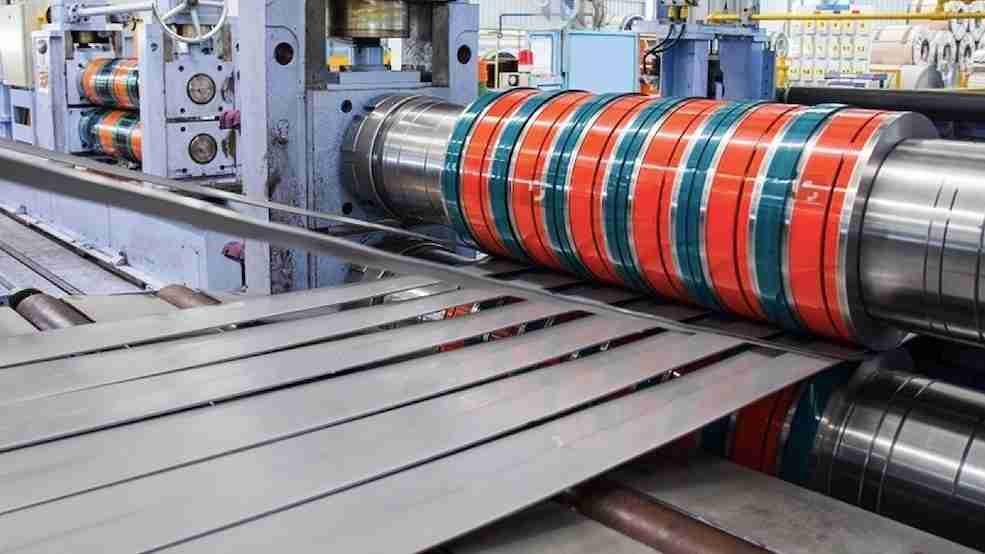
Getting this right is not just about buying a more expensive blade. It is about deeply understanding the metal you are cutting first. This knowledge is the foundation for a perfect cut. Let's explore how to tell these materials apart, so you can make the best choice for your operation.
How Do You Distinguish Between Soft And Hard Metal Materials?
Are you confused about why your material specifications matter so much? Classifying metals incorrectly leads directly to production errors and wasted money. Let's make it simple to identify them.
You can distinguish metals by their key mechanical properties. Hard metals, like steel and titanium, have high tensile strength4 and hardness. Soft metals, like aluminum and copper, have lower tensile strength and are more malleable. Standard industry tests like the Rockwell or Brinell scale5 provide precise measurements for classification.
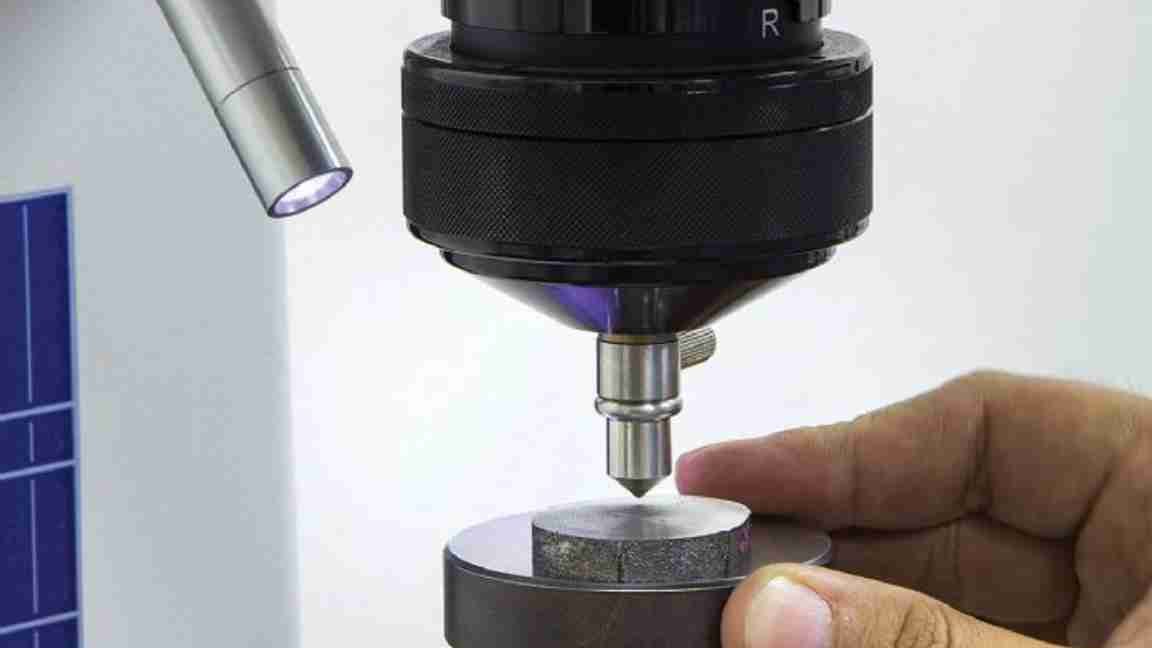
I often tell my customers that you can't fight the nature of the material. You have to work with it. The first step is to know what you are dealing with. Hardness is the most common metric we talk about. It is a measure of how well a material resists localized plastic deformation, such as a scratch or dent. In the workshop, we use specific tests to get a hardness number we can work with.
Key Distinguishing Factors
- Hardness Testing: This is the most direct way to classify a metal. The Rockwell, Brinell, and Vickers tests are industry standards. Each test uses an indenter that is pressed into the material under a specific load. The size or depth of the indentation tells us how hard the material is. A higher number means a harder metal.
- Tensile Strength: This measures the force required to pull something until it breaks. Hard metals can withstand a lot of tension before failing, while soft metals will stretch and break much more easily.
- Malleability and Ductility: These terms describe how a material behaves under compressive and tensile stress. Soft metals are generally more malleable (can be hammered into thin sheets) and ductile (can be drawn into wires).
Here is a simple table to help you remember the differences.
| Property | Soft Metals (e.g., Aluminum, Copper, Gold) | Hard Metals (e.g., Steel, Titanium, Tungsten) |
|---|---|---|
| Hardness | Low (easy to scratch or dent) | High (resists deformation) |
| Tensile Strength | Lower | Higher |
| Malleability | High (can be hammered into sheets) | Lower |
| Cutting Action | Tends to create burrs, can be "gummy" | Requires high force, generates more heat |
Why Is Distinguishing Between Soft And Hard Metals So Important For Industrial Processing?
Are you replacing your industrial blades far too often? This high cost usually comes from a single mistake: using the wrong blade for your metal. Understanding this distinction is key to saving money.
Distinguishing between metals is crucial for three main reasons. It dictates the blade material and geometry, which directly impacts the blade’s lifespan. It ensures the machining accuracy and a high-quality surface finish. Mismatching blades always leads to premature failure, poor cuts, and wasted material.
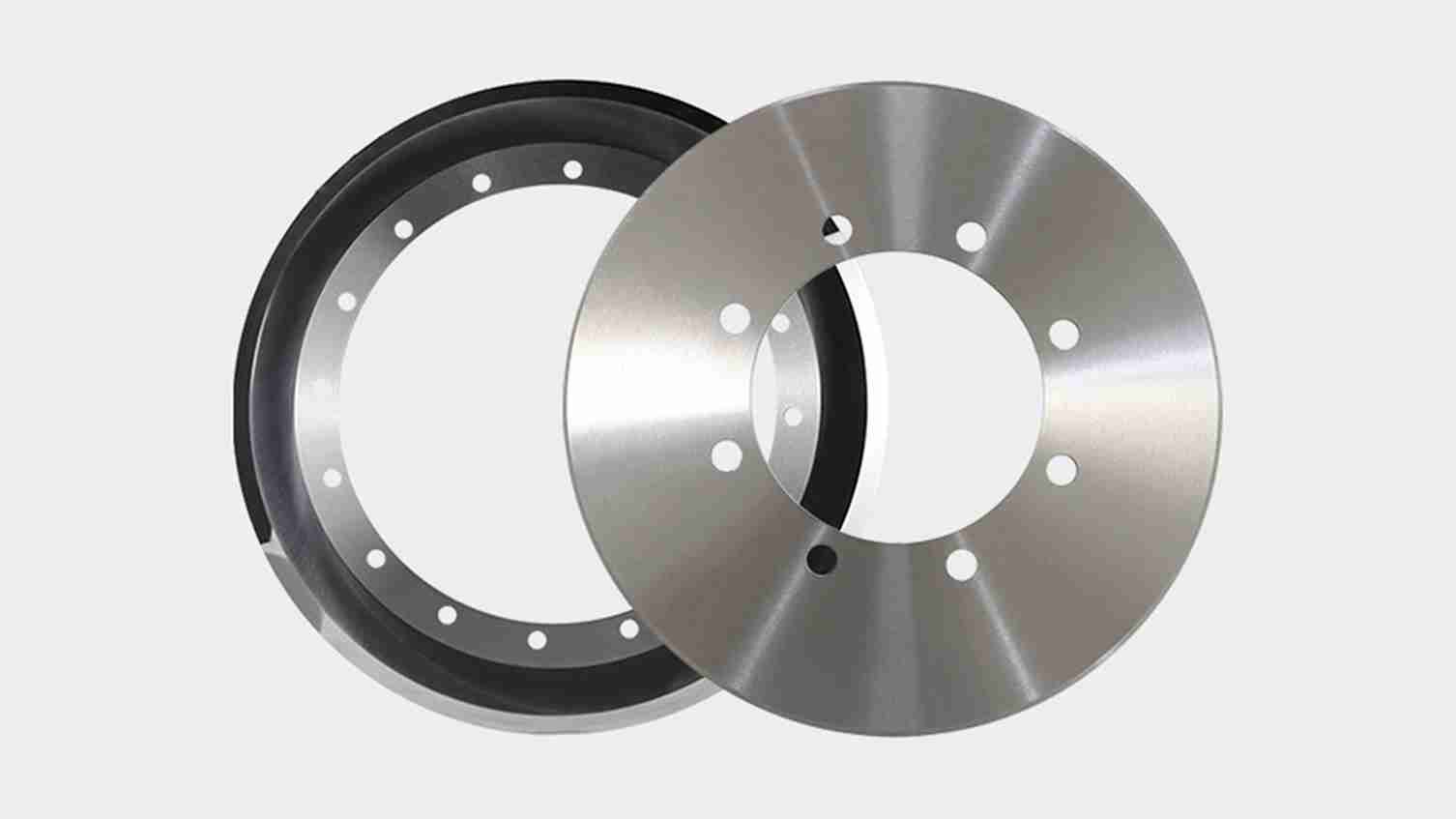
When a blade cuts metal, its wear rate depends mostly on the hardness and toughness of the material being processed. If you treat all metals the same, you are setting your blades up to fail. I have seen this happen many times. A small adjustment based on the material type can double or even triple a blade's life. This is not just a technical detail; it is about making your entire production line more efficient and profitable. The choice directly affects your bottom line.
Impact On Blade Longevity
Cutting hard metals causes severe, abrasive wear6 on the cutting edge. The friction and pressure are immense. If the blade isn't hard and tough enough, it will dull and chip very quickly. On the other hand, soft metals present a different challenge. While the cutting force is lower, these materials can be "gummy" or sticky. This can lead to material building up on the blade edge, which increases friction and can cause the edge to chip or break. Using a one-size-fits-all blade ignores these very different demands and leads to premature failure.
Ensuring Machining Accuracy
The blade's geometry—its angles and edge profile—must be designed for the specific metal. For soft metals, you need an extremely sharp, acute angle to shear the material cleanly. A blade designed for hard metals would be too blunt and would plow through or deform the soft material, ruining dimensional accuracy. For hard metals, a more robust, less acute angle is needed to provide strength and prevent the edge from chipping under high pressure. Using the wrong geometry guarantees an inaccurate cut.
What Are The Best Blades For Cutting Soft Metals Like Copper And Aluminum Foil?
Are you getting frustrating burrs and scratches on your copper or aluminum foil? This common problem ruins delicate materials and can compromise your final product. The right blade can give you a perfect cut every time.
For soft, thin metals like battery foils, the best blades are extremely hard and sharp. Polycrystalline diamond (PCD) or diamond-coated tungsten carbide blades are the preferred blades for the lithium battery industry7. They provide a razor-sharp edge, minimize friction, and prevent the soft metal from sticking to the blade surface.

I remember working with a German company. They manufacture high-capacity lithium-ion batteries. Their biggest problem was micro-burrs8 on the edges of the copper and aluminum foils they were slitting. These tiny metal flakes are a huge safety risk, as they can cause internal short circuits. They were using standard tungsten carbide blades and struggled with inconsistent quality and frequent downtime for blade changes. This is a classic case where the blade material was not suited for the delicate, soft material.
The Right Material: Unmatched Hardness and Sharpness
For materials like battery foil, the goal is a perfect shear with zero deformation. This requires an edge that is not just sharp but can hold that sharpness over millions of cuts. Polycrystalline diamond (PCD) is one of the hardest materials on earth. This allows us to hone it to an incredibly fine, durable edge. A diamond coating on a tungsten carbide base achieves a similar effect. This combination offers unparalleled hardness and sharpness, which is perfect for slicing through soft metals without tearing them.
The Solution For They
We recommended our PCD slitter blades for they. The change was immediate. The ultra-sharp, low-friction edge of the PCD blade sliced through the foil cleanly, completely eliminating the burr problem. Their product quality and safety improved dramatically. As a bonus, the PCD blades9 lasted many times longer than their old carbide ones, which greatly reduced their machine downtime and operating costs. They were a perfect example of how the right tool for the job can solve multiple problems at once.
Which Blades Excel When Cutting Hard Metals Like Stainless Steel And Titanium?
Is your blade dulling quickly or even "burning" when you cut stainless steel? The intense heat and force required to cut hard metals demand a very special kind of blade. Let me explain what you need.
High-strength tungsten carbide is the best choice for hard metals. You should look for grades with a higher cobalt binder content, which increases toughness and impact resistance. A PVD coating is also essential to resist the extreme heat and abrasive wear generated during the cut.
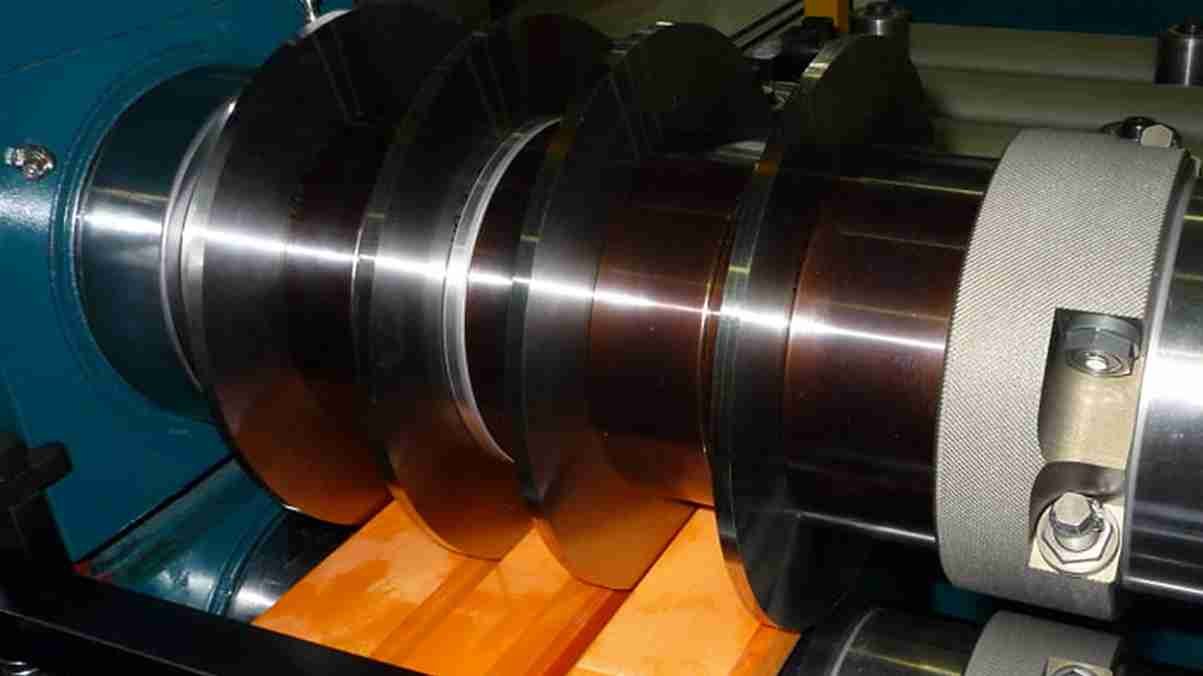
When cutting hard materials like stainless steel or titanium alloys, you are fighting a battle against friction and heat. An inadequate blade will lose this battle very quickly. The cutting edge can get so hot that it softens and deforms, leading to what we call "burning" on the workpiece and rapid blade failure. To win this fight, the blade needs to be both hard enough to hold an edge and tough enough to resist chipping under immense pressure.
Material Matters: Toughness Over Brittleness
While hardness is important, toughness is critical when cutting hard metals. Toughness is the blade's ability to absorb energy and resist fracturing. In tungsten carbide, the cobalt acts as a binder that holds the hard carbide grains together. A grade with a slightly higher cobalt content will be more tough and less brittle, making it ideal for the high-impact conditions of slitting hard steel. It sacrifices a little bit of wear resistance for a lot more strength.
The Power Of PVD Coatings
Physical Vapor Deposition (PVD) coatings add a powerful protective layer to the blade. Think of it as armor. Coatings like Titanium Nitride (TiN) or Aluminum Titanium Nitride (AlTiN) are extremely hard and have a very low coefficient of friction. This "slick" surface reduces the heat generated during the cut and prevents the workpiece material from welding to the blade edge. This shield protects the blade from abrasive wear and heat damage, extending its life significantly. At PASSION, our tungsten steel slitter knives for hard metals always come with an application-specific PVD coating for this very reason.
Conclusion
Matching your blade to the metal's hardness is not optional. It is essential for efficiency, quality, and saving money on your production line.
Understanding soft metals is crucial for selecting the right tools; this resource provides detailed insights. ↩
Learn about the unique properties of hard metals and how they affect cutting techniques. ↩
Explore the importance of heat-resistant coatings in prolonging blade life and enhancing cutting performance. ↩
Understanding tensile strength is key to selecting the right materials; this resource explains its significance. ↩
Learn about the Brinell scale and how it helps in determining metal hardness. ↩
Understanding abrasive wear can help improve tool selection and longevity; this resource provides insights. ↩
Explore this link to discover specialized blades that enhance cutting precision and reduce production costs in lithium battery manufacturing. ↩
Learn about micro-burrs and their impact on product quality in metal cutting processes. ↩
Discover the benefits of PCD blades for cutting soft metals and their superior performance. ↩