Skip to content

Frequent machine stops? Poor cut quality? Your industrial blades might be the problem. Ignoring blade maintenance is costing you efficiency, quality, and money in ways you may not even realize.
Scientific maintenance involves a system of daily cleaning, regular inspections for wear, proper resharpening1 based on blade material, correct lubrication2, and detailed record-keeping. This routine extends blade life, ensures cut quality, boosts efficiency, and improves safety on the factory floor.
I know how a simple maintenance plan can transform a production line. It's not just about sharpening; it's a complete system that protects your investment and your people. This knowledge is key to unlocking your equipment's full potential and achieving a new level of operational excellence. Let's break down why this is so vital and how you can build a system that works for your specific needs.
Why Is Industrial Blade Maintenance So Crucial?
Production lines stop unexpectedly. Defective products pile up. These issues often trace back to one neglected part: the blade. This is a costly and dangerous oversight for any modern manufacturer.
Blade maintenance is crucial because it directly impacts production efficiency, product quality, operational costs, and worker safety. A well-maintained blade prevents unexpected downtime, reduces material waste, extends the blade's life, and avoids potential accidents caused by blade failure.
Based on my experience helping clients across various industries, the true impact of blade maintenance goes far beyond just the blade itself. It’s a core pillar of a successful manufacturing operation. Ignoring it creates a domino effect of problems that can hurt your bottom line and your reputation. A structured maintenance plan isn't a cost—it's one of the best investments you can make in your production process.
The High Cost Of Neglect
When a blade fails, the most obvious cost is downtime. Every minute your machine isn't running, you're losing money. But the costs don't stop there. A dull or damaged blade leads to poor cut quality, resulting in increased product rejects and wasted raw materials. I once worked with a packaging company that was seeing a 15% scrap rate on their cardboard cutting line. The cause wasn't the machine or the material; it was blades that were never inspected or sharpened. They were essentially crushing the cardboard instead of cutting it. This also damages your brand's reputation. Consistently delivering subpar products will eventually drive customers away. A systematic maintenance program turns these variable costs into a predictable, manageable expense.
Safety Cannot Be Compromised
A worn-out blade isn't just inefficient; it's a serious safety hazard. We call running a damaged blade or "running a sick blade." Micro-cracks, which are often invisible to the naked eye, can develop from stress and fatigue. Under the immense pressure and speed of industrial equipment, these tiny cracks can lead to catastrophic failure. The blade can shatter, sending sharp fragments flying and potentially causing severe injury to operators. Regular inspections are designed to catch these issues, like micro-cracks3, bending, or loose mounting holes, before they become critical failures. Replacing a blade is a small price to pay to ensure the safety of your team.
Protecting Your Capital Investment
Your cutting machinery is a significant capital investment. Industrial blades are the point of contact between that expensive machine and your product. Running a dull, unbalanced, or damaged blade puts unnecessary strain on the entire machine. Motors have to work harder, bearings wear out faster, and alignment can be thrown off. Over time, this accelerates the wear and tear on the machine itself, leading to more frequent and more expensive repairs. Proper blade maintenance is, therefore, also machine maintenance. It ensures your equipment runs smoothly and lasts longer, maximizing the return on your investment.
Do Industrial Blades Made Of Different Materials Require Different Maintenance Methods?
Are you treating all your industrial blades the same way? You might be throwing money away by replacing some too soon and over-stressing others. This one-size-fits-all approach is inefficient and costly.
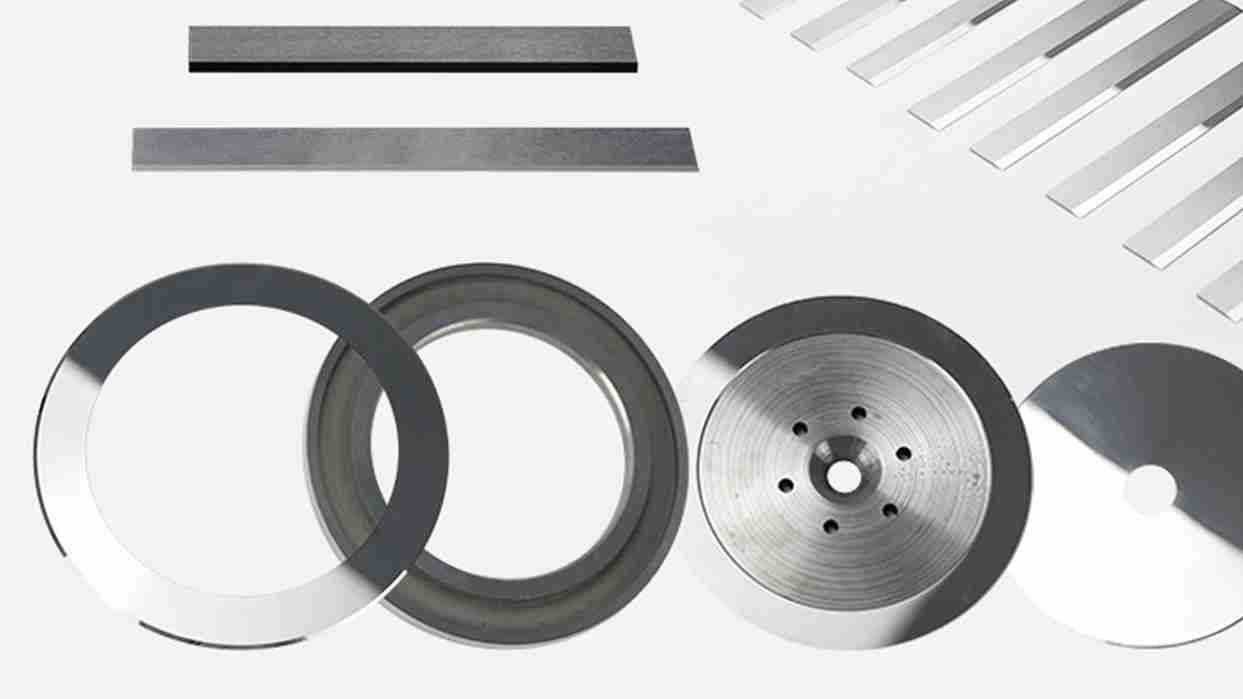
Yes, absolutely. Different blade materials like tungsten carbide4, high-speed steel (HSS)5, and carbon steel have unique properties of hardness, toughness, and heat resistance. This means they require specific maintenance schedules and methods, especially for resharpening. A tailored approach is necessary to maximize the life and performance of each blade.
Choosing the right blade material is only half the battle. The other half is knowing how to care for it. You wouldn't use the same oil for a high-performance race car and a standard family car, right? The same logic applies to your industrial blades. Understanding the differences and implementing a differentiated maintenance strategy is a hallmark of a truly efficient and professional operation.
Understanding Blade Materials
First, you need to know what you're working with. Tungsten carbide blades are extremely hard and wear-resistant, making them ideal for cutting tough materials over long periods. However, they can be more brittle. High-Speed Steel (HSS) blades offer a great balance of hardness and toughness, resisting chipping and handling heat well. They are very versatile. Then you have common carbon steel blades6, which are less expensive but also less durable. They dull faster and are more susceptible to damage. Each of these materials reacts differently to stress, heat, and the process of resharpening. Using a single maintenance plan for all of them means you aren't getting the most out of any of them.
A Tailored Resharpening Strategy
Resharpening is where a differentiated approach pays the biggest dividends. It's simply not economical or effective to treat every blade the same way. Based on years of data and experience, we recommend a clear, material-specific strategy.
| Blade Material | Recommended Resharpening Frequency | Key Maintenance Considerations |
|---|---|---|
| Tungsten Carbide | Can be resharpened 3–5 times | Requires professional grinding with diamond wheels to avoid chipping. The original cutting angle must be perfectly replicated. |
| High-Speed Steel (HSS) | Can be resharpened 2–3 times | Prone to losing temper if overheated during grinding. Using coolant is essential. A post-sharpening dynamic balance check is crucial. |
| Carbon Steel | Single-use is recommended | The low initial cost often makes replacement more economical. Resharpening can compromise the blade's structural integrity and is not advised. |
Following this guide helps you avoid common mistakes. For example, trying to resharpen a carbon steel blade is false economy; the blade may fail quickly, causing more downtime. On the other hand, discarding an expensive carbide blade after its first use is like throwing away money. Matching your resharpening strategy to the blade material is a critical step in controlling costs and maintaining peak performance.
What Are The Key Steps In A Scientific Blade Maintenance Routine?
You know maintenance is important. You know different blades need different care. But where do you start? An inconsistent, disorganized process will not deliver results. You need a simple, repeatable system.
A scientific maintenance routine includes five key steps: daily cleaning, regular inspection, correct lubrication and rust prevention, proper storage, and diligent record-keeping. Each step builds on the last to create a comprehensive system that ensures blade reliability, longevity, and overall production efficiency.

Implementing this routine isn't complicated, but it does require discipline. I always tell my clients to think of it like a pre-flight checklist for a pilot. It’s a non-negotiable routine that guarantees everything is in optimal condition before you start a critical process. These simple habits, performed consistently, are what separate average production lines from world-class ones.
The Foundation: Daily Cleaning And Regular Inspection
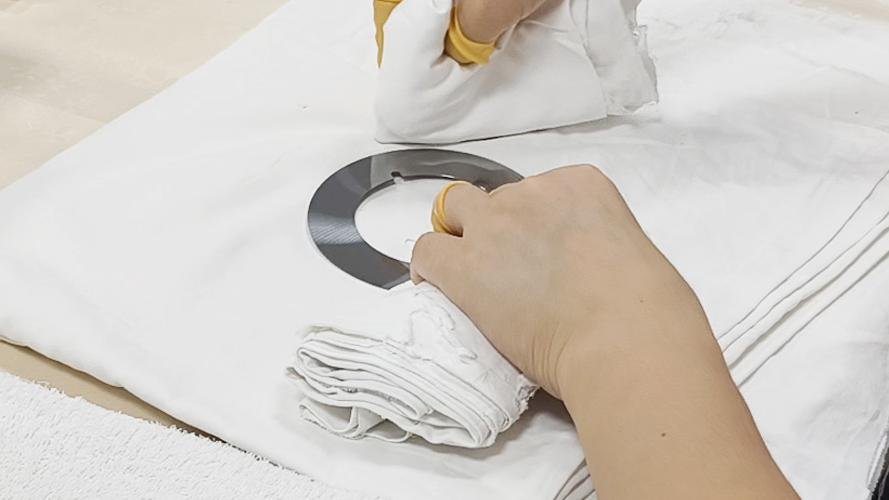
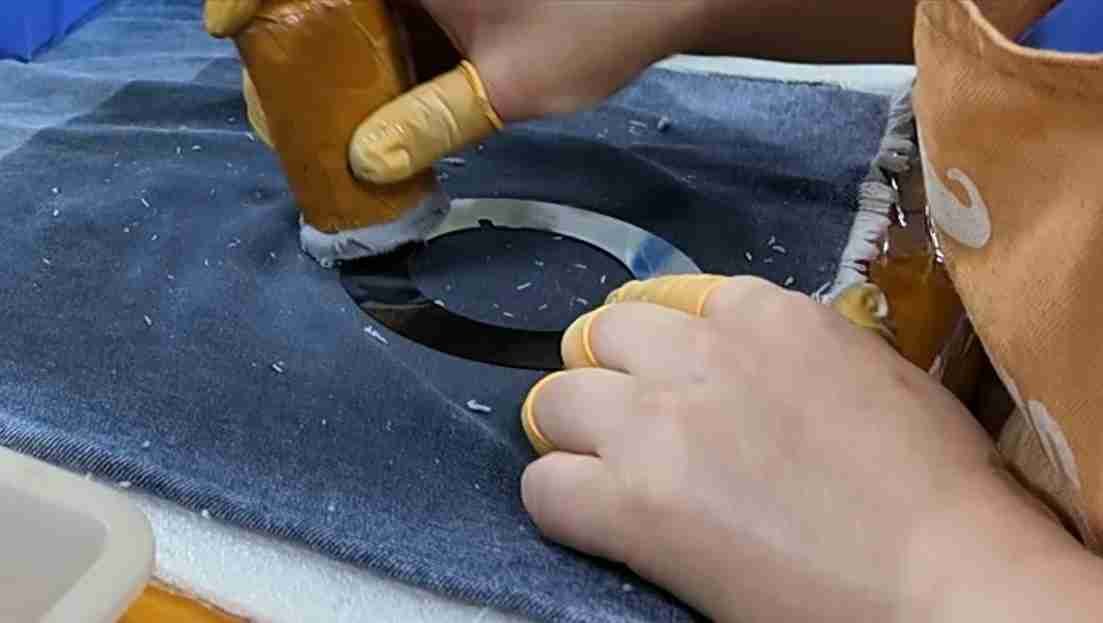
The easiest—and most often overlooked—step is daily cleaning. At the end of a shift, debris, resin, and residue should be cleaned from the blade. This is not just for hygiene; a clean surface makes it possible to spot early signs of trouble. This cleaning then sets the stage for regular, formal inspections. I recommend a full inspection every week or after every 500 hours of operation. During this check, your team should look for specific issues:
- Cutting Edge: Is it dull, chipped, or rolled?
- Blade Body: Are there any visible micro-cracks, signs of bending, or warping?
- Mounting: Are the installation holes worn? Is there any looseness? If any significant wear or structural damage is found, the blade must be taken out of service immediately. The principle of not "running a sick blade" is paramount for both safety and quality.
Protection And Preservation: Lubrication And Storage
Once a blade is clean and inspected, protecting it is the next priority. This is especially true for blades that will be stored for any length of time or used in humid environments. Applying a light coat of anti-rust oil or another appropriate lubricant prevents corrosion, which can quickly degrade even the strongest steel. Proper storage is equally important. Blades should not be stacked on top of each other, as this can chip or dull the edges. They should be stored individually, preferably in custom sheaths or on a designated rack in a dry, stable environment. Also, before a stored blade is installed, it should undergo a quick secondary check to ensure no damage has occurred during storage. This two-step protection process preserves the blade's condition between uses.
The Brain Of The Operation: The Maintenance Log
How do you know when a blade is nearing the end of its life? How do you track which blades perform best in which machines? The answer is data. Creating and maintaining a detailed blade maintenance log is the "brain" of your entire system. This log can be a simple spreadsheet or a dedicated software program, but it should track key information for each blade:
- Unique ID number
- Purchase date and material type
- Total hours of operation
- Dates of each inspection and any findings
- Dates of each resharpening (to ensure you don't exceed the recommended limit)
- Operator notes on performance This data is incredibly powerful. It allows you to move from reactive maintenance (fixing things when they break) to predictive maintenance (replacing blades before they fail). You can accurately forecast your blade budget, optimize purchasing schedules, and identify trends in wear to improve your entire cutting process.
Conclusion
A systematic, differentiated blade maintenance plan is not a cost. It is a direct investment in higher efficiency, better quality, and a safer workplace for your team.
Explore effective resharpening techniques to extend the life of your blades and maintain performance. ↩
Discover how proper lubrication can enhance blade performance and prevent premature wear. ↩
Understanding micro-cracks can help you identify potential safety hazards and improve blade reliability. ↩
Discover why tungsten carbide blades are favored for their durability and performance in tough applications. ↩
Learn about HSS blades and how they can provide versatility and efficiency in cutting operations. ↩
Explore the pros and cons of carbon steel blades to determine if they fit your manufacturing needs. ↩