Skip to content
Choosing the wrong blade leads to poor cuts, wasted material, and lost money. This confusion ends now. ISO color codes are a simple, visual guide to finding your perfect blade.
The ISO color classification system simplifies blade selection. Each color corresponds to a specific material group. Matching the color code to your material, such as blue for steel, ensures optimal blade performance, greater efficiency, and longer life for your industrial cutting operations.
This color-coded system is more than just a chart on a wall. It is a practical tool I use every day to help clients solve their toughest cutting challenges. Understanding these colors is the first step. Let's break down what each color means for your production line.
Why Is A Blue P-Type Blade The Best Choice For Cutting Steel?
Cutting steel creates long, hot chips that can destroy a blade edge quickly. This leads to frequent downtime and poor-quality cuts, hurting your productivity and bottom line.
Blue, P-type blades are made for steel because they have high toughness1 and resist crater wear. This specific design helps them manage the continuous, hot chips from steel cutting. This ensures a stable process and a clean finish, preventing premature blade failure.
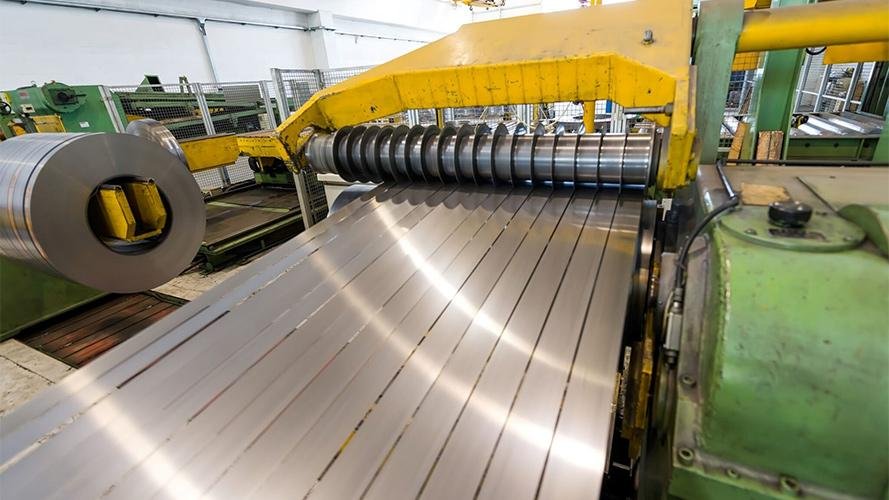
Steel is a ductile material. When you cut it, the chip doesn't break away easily. Instead, it forms a long, continuous ribbon. This process generates a lot of focused heat and pressure right on the blade's face. Without the right properties, the blade material can soften or have steel particles weld onto it, causing what we call crater wear. P-type blades are engineered to be tough enough to handle this constant stress without chipping.
Key Characteristics Of P-Type Blades
| Feature | Benefit For Steel Cutting |
|---|---|
| High Toughness | Prevents the cutting edge from chipping under continuous load. |
| Crater Wear Resistance | Resists the extreme heat and material adhesion common in steel cutting. |
| Stable Cutting Edge | Ensures you get consistent cut quality from start to finish. |
What Makes Yellow M-Type Blades So Versatile For Stainless Steel?
Stainless steel is difficult to machine. It hardens as you cut it and generates a lot of heat that can stick to the blade. This ruins surface finish and breaks blades.
Yellow, M-type blades are great for stainless steel because they balance toughness and wear resistance. They have a sharper cutting edge to lower cutting forces. This combination prevents work hardening2 and material adhesion3, making them very versatile for other tough materials too.
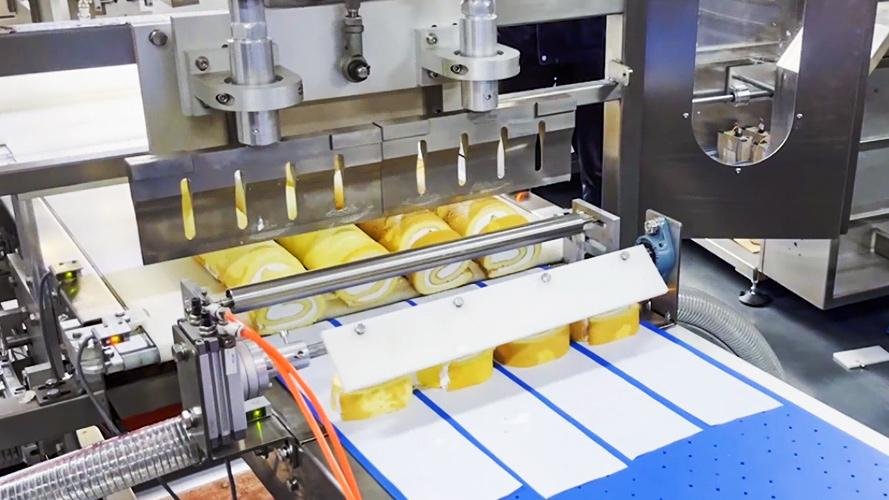
Stainless steel presents two major problems: work hardening and poor heat conduction. Work hardening means the material gets harder as the blade cuts through it, which puts immense pressure on the cutting edge. It also doesn't transfer heat well, so all the heat stays concentrated at the cut, risking blade failure. M-type blades solve this. They are tough enough to resist chipping but also hard enough to resist wear. The sharper edge design reduces the force needed to make the cut, which minimizes work hardening. I worked with a client, Maria in Brazil, who manages a food processing equipment factory. Her blades were struggling to make clean cuts on stainless steel sheets, leaving rough, unacceptable edges. I sent her some of our M-type blades. She found that not only did they produce a much cleaner cut, but they also lasted longer because they generated less friction and heat.
M-Type Blade Performance Profile
| Challenge With Stainless Steel | How M-Type Blades Solve It |
|---|---|
| Work Hardening | A sharper edge geometry reduces cutting pressure and material deformation. |
| Poor Heat Conduction | A tough substrate resists thermal shock and premature wear from heat. |
| Material Adhesion (Sticking) | Special coatings and a sharp edge prevent material from welding to the blade. |
How Do Red K-Type Blades Handle The Abrasiveness Of Cast Iron?
Cutting cast iron is like grinding your blade away. The material breaks into a fine, abrasive powder that acts like sandpaper, wearing down the cutting edge extremely fast.
Red, K-Type blades conquer brittle cast iron because of their high hardness4 and excellent wear resistance. Cast iron creates small, abrasive chips that destroy standard blades. K-type blades are specifically built to withstand this grinding wear, ensuring a long life in abrasive applications.
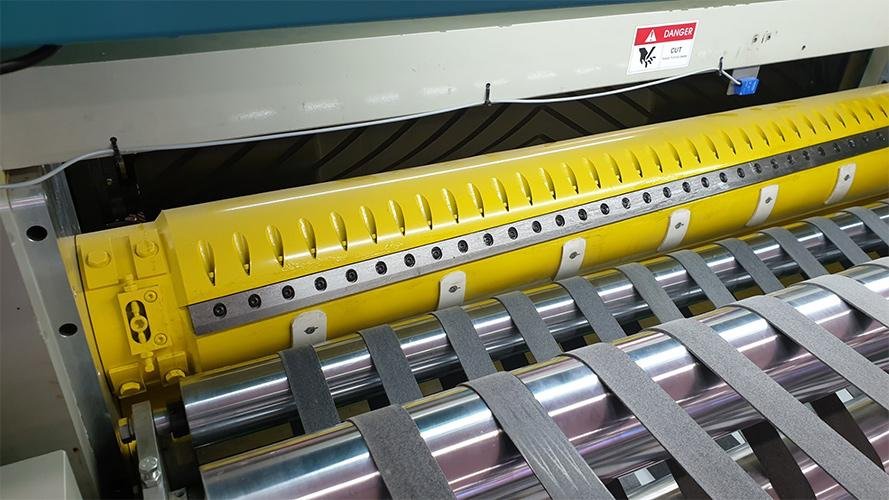
The way cast iron cuts is the complete opposite of steel. Instead of long, flowing chips, it fractures into small, powder-like segments. These tiny, hard particles—which include free carbon and carbides—are highly abrasive. They flow over the cutting edge and literally sand it down. For this job, toughness is less important than pure hardness and wear resistance. A K-type blade is designed to be as hard as possible to resist this abrasive action. I once helped Robert, a client in the USA who manufactured automotive components. His team was deburring cast iron parts, and the blades they were using barely lasted a single shift. The downtime was killing their targets. We switched them to our K-type blades. The difference was night and day. He reported that blade life increased by over 300%, which drastically reduced his costs and kept his production line moving smoothly.
K-Type Blade Strengths
| Material Property | K-Type Blade Advantage |
|---|---|
| Brittleness (Short Chips) | Exceptional hardness directly counters the intense abrasive wear. |
| Hard Inclusions (Carbides) | An extremely durable cutting edge resists microscopic chipping and wear. |
| High Compressive Strength | The strong blade body prevents fracture, even under heavy loads. |
Why Choose A Green N-Type Blade For Aluminum And Plastics?
Soft materials like aluminum, copper, and plastic love to stick to a blade edge. This creates a gummy, built-up mess that leads to terrible cuts and clogged machines.
Green, N-type blades are for non-ferrous metals and non-metals like paper or plastic. They feature an extremely sharp and highly polished cutting edge. This special design prevents soft materials from sticking, ensuring a clean cut and smooth chip flow without a "built-up edge."
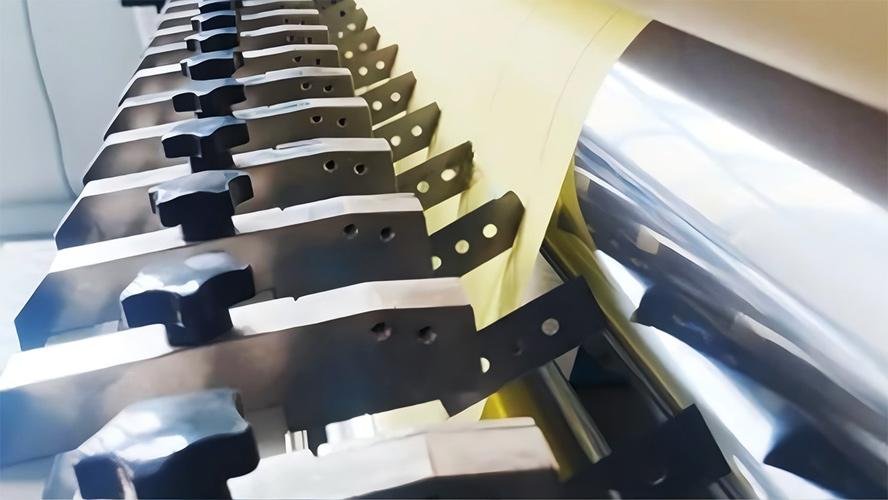
When cutting soft materials, the biggest enemy is the "built-up edge," or BUE. This happens when small particles of the soft material weld themselves to the blade's tip due to heat and pressure. This BUE ruins the cutting geometry, leading to a rough surface finish and increased cutting forces. N-type blades fight this in two ways: an extremely sharp edge and a mirror-like polish. The sharp edge shears the material cleanly before it has a chance to deform and stick. The polished surface reduces friction, allowing the chip to slide off effortlessly. I had a wonderful client in Italy, who is in the flexible packaging industry. She was slitting thin plastic film, but the material kept melting onto her blades, forcing constant cleaning and downtime. We supplied her with our N-type slitter blades with a special high-polish finish. She was thrilled. Production ran without interruption, the cuts were flawless, and she could even increase her machine speed.
N-Type Blade Design Focus
| Challenge With Soft Materials | N-Type Blade Solution |
|---|---|
| Sticking / Adhesion | A highly polished surface drastically reduces friction and material buildup. |
| Built-Up Edge (BUE) | An extremely sharp cutting edge provides a clean shear, preventing material welding. |
| Low Melting Point | Efficient chip evacuation and low friction prevent heat buildup. |
Why Do S-Type Blades Excel With Heat-Resistant Superalloys?
Aerospace superalloys are designed to stay strong in extreme heat. This very property destroys standard blades, causing them to soften, deform, and fail almost instantly during cutting.
Brown, S-Type blades are made for heat-resistant superalloys like Inconel and titanium. Their key feature is "red-hardness5," the ability to stay hard and sharp even at extreme temperatures. This prevents the blade edge from deforming under intense heat and pressure.
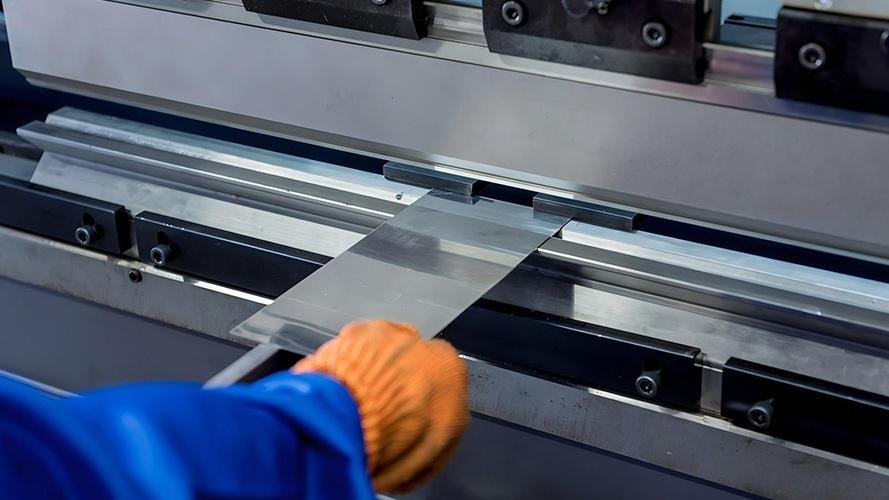
Materials used in jet engines or gas turbines are engineering marvels. They retain their strength when glowing red-hot. When you try to cut them, all of that cutting energy turns into intense, focused heat that would soften a normal blade. The S-type blade is designed to fight heat with heat resistance. It features excellent thermal stability6 and red-hardness, meaning its microstructure doesn't break down at high temperatures. I worked with a client in Japan who manufactures high-precision turbine parts. His process for cutting a nickel-based superalloy was painfully slow, and he was consuming blades at an alarming rate. It was a huge bottleneck. We supplied him with one of our specialized S-type blades. The results were astounding. He was able to increase his cutting speed significantly while extending the blade's life, proving that you can master even the toughest materials when you use the right tool.
Strengths Of S-Type Blades
| Challenge With Superalloys | S-Type Blade Solution |
|---|---|
| Extreme Heat Generation | High "red-hardness" ensures the cutting edge remains hard and effective. |
| High Material Strength | A tough substrate resists chipping under high cutting forces. |
| Chemical Reactivity | Special coatings provide a stable barrier, preventing material adhesion. |
How Can H-Type Blades Cut Already Hardened Steel?
Trying to cut hardened steel feels impossible. The material is so hard that it can shatter or instantly dull a standard blade, making precision finishing a major production challenge.
Grey, H-type blades machine ultra-hard materials (HRC45+). Made from CBN or ceramic, their hardness is second only to diamond. This "harder-on-hard" approach allows them to achieve fine finishes on heat-treated steels and chilled cast iron, where other blades would fail.
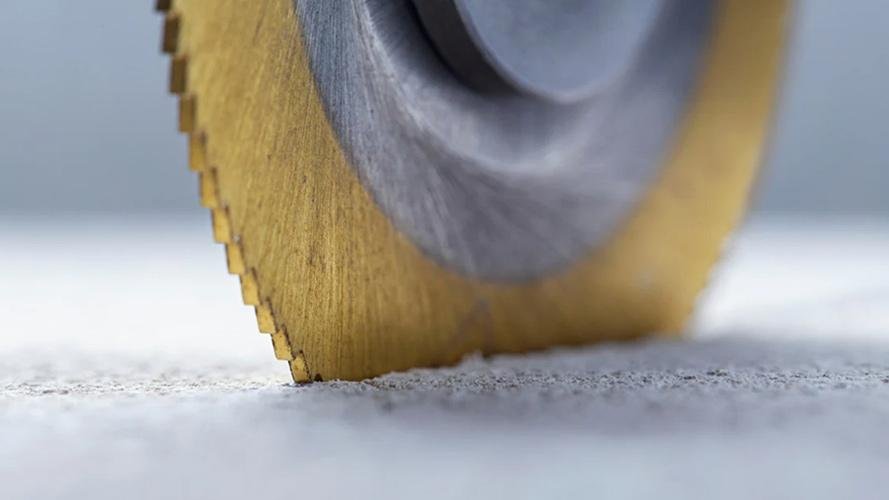
This category is for a process called "hard machining." It involves cutting materials after they have been heat-treated to their final hardness. You are essentially using an exceptionally hard blade to shave off tiny amounts of an already very hard workpiece. H-type blades accomplish this because they are made from super-hard materials like Cubic Boron Nitride (CBN)7 or special ceramics. These materials don't just have high hardness; they also retain it at the high temperatures generated during cutting. A client of mine, David from Canada, runs a tool and die shop making hardened injection molds. He struggled to get the required surface finish on a mold made from H13 tool steel hardened to 52 HRC. Grinding was too slow. We recommended our H-type CBN-tipped blades. He was able to replace a slow grinding step with a high-speed finishing cut, achieving a mirror finish and cutting his cycle time in half.
Performance Of H-Type Blades
| Challenge With Hard Materials | H-Type Blade Solution |
|---|---|
| Extreme Workpiece Hardness | Ultra-hard blade material (CBN, Ceramic) provides superior wear resistance. |
| Need for Fine Finish | Maintains a very sharp, stable edge for precision finishing cuts. |
| High Cutting Temperatures | Excellent thermal stability prevents blade material degradation. |
Conclusion
Selecting the right blade by its ISO color code is simple and effective. It boosts efficiency, improves quality, and saves you money. Contact us at PASSION, and let me help.
Learn why high toughness is crucial for maintaining blade integrity during tough cutting tasks. ↩
Understanding work hardening can help you choose the right blades for challenging materials. ↩
Learn strategies to prevent material adhesion for smoother cutting operations. ↩
Discover the significance of high hardness in ensuring blade durability and performance. ↩
Discover the concept of red-hardness and its importance in high-temperature cutting applications. ↩
Learn how thermal stability affects blade performance during high-speed cutting. ↩
Explore the advantages of CBN in enhancing blade performance for hard materials. ↩