Skip to content
Slotter Blade
Slotter blades are one of the essential knives for the packaging and corrugated industry and are used in different corrugated board production lines. PASSION slotter blades are available in various types and shapes, depending on the different slotting applications.
The Slotter Blade PASSION Offers You
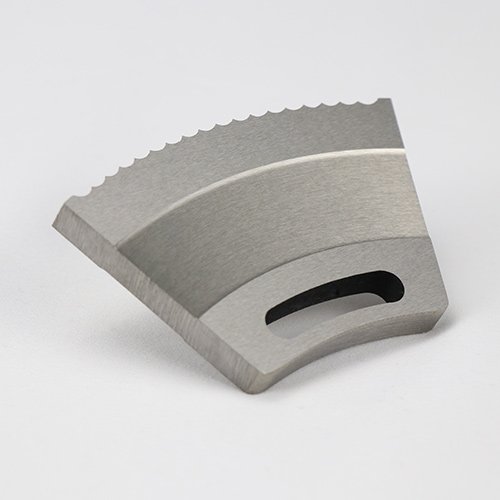
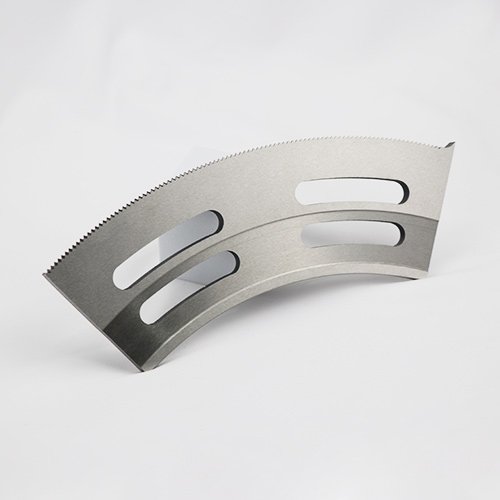
PASSION offers slotter blades that consist of an male slotter blade and a female slotter blade. The male slotter blade has a curved balde and a curved serrated blade. The male slotter blade is to groove the corrugated cardboard so that the cardboard can be folded to form a corrugated box. Female slotter blades have semi-circular acute-angle blades, right-angle blades, and slot-width retaining rings. They have no teeth and are mainly used to hold the cardboard in place.

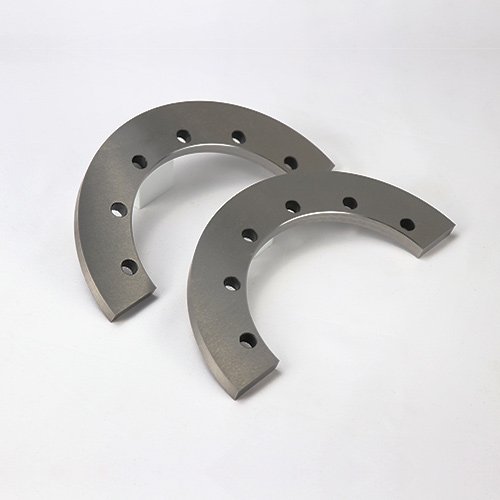


Some Slotter Blades on Display





Compatible Slotter Blades Machine Brands
Our slotter blades adapt to various machinery brands within the corrugated cardboard industry. Below are some brands our blades are compatible with. If your machine brand is not listed, simply provide relevant blade specifications (such as dimensions, material requirements, or drawings), and our team will promptly provide a customized quote.


Let's Talk About Your Cutting Needs
The smoothness and parallelism of the slotter blade, as well as the edge shape, tooth shape and hardness of the male slotter blade are all closely related to the cutting effect, please tell us what you or your customers’ cutting needs are, and provide us with the relevant drawings or samples, and we will customize the production for you in this way.
Slotting Blade Functions in Slotting Machines?
Slotter blades are essential for the corrugated industry. They are used in slotters (also known as slotters or vertical formers) to cut precise slots, creases, and edges in corrugated board, which are critical to the folding and forming of cartons. They include male blades, female blades, trimming blades, and spacer.

Male Blades
These blades act as the cutting or punching tool that penetrates the material.
They create slots or cuts in the material, usually in combination with female blades.
They determine the width and depth of the slot.

Female Blades
Acts as a precision anvil for the male blade to create a clean shearing action.
Provides a hard counter-surface to prevent tearing and crushing the flutes.
Ensures a clean cut, which is critical for the box’s structural integrity.

Trimming Blades
Used for slitting the board to the final required width, not trimming after.
This process occurs simultaneously with or just before the slotting operation.
Ensures the final box blank has smooth, precise, and accurate edges.

Spacers
Set the precise horizontal position of the tool heads on the machine’s shaft.
Control the location of slots and trims, defining the final box panel dimensions.
Securely lock all components, providing stability for high-speed operation.
What Are The Tooth Shapes Of Slotter Blades?
Slotter blades, used in a slotter machine, typically have teeth designed for specific cutting tasks. The shape of the teeth on these blades can vary depending on the type of material being cut and the specific design of the blade. Here are the common tooth shapes:

Straight Slotter Blade
- Introduces
This type of blade features straight, flat teeth, with no serration or other modifications. The edge is designed to make a clean, precise cut through the material. Used for straight cuts in various materials, such as paper, cardboard, or corrugated board, especially when there is no need for the blade to engage with the material through a serrated or angled edge.
- Applications
Common in slotter machines and die-cutting operations where the primary function is to create straight, clean slots.
Ideal for cutting soft to moderately dense materials.
Offers a smooth cut without any additional material disruption caused by serration, which is useful in specific applications where precision is key.

Serration DTC (Economical Quality Serration)
- Introduces
The DTC serration features teeth that are less aggressive compared to more specialized serration types. The teeth are typically evenly spaced with a moderate, economical profile. The serrated teeth often have rounded or slightly pointed edges, providing a balance between cutting ability and durability. It allows the blade to cut through soft to medium-density materials without causing excessive wear or requiring high maintenance.
- Applications
Typically used in the paper and packaging industry, particularly for cutting standard corrugated boards or softer materials.
Good for applications where the cutting speed is important, but the material is not too dense or abrasive.
Common in environments where cost control is essential, and the overall cutting performance must be acceptable but not necessarily high-end.
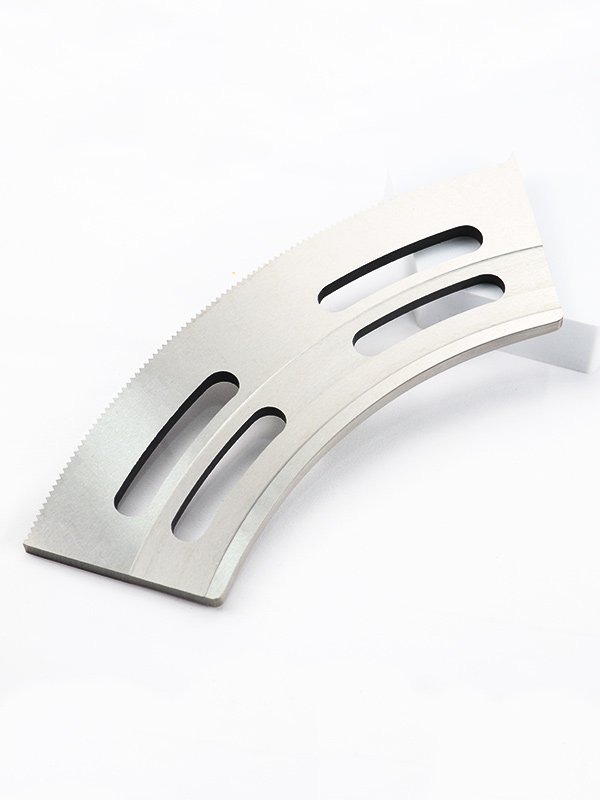
Serration DTK (Adapted To Recycled Corrugated Board)
- Introduces
The serration often includes larger, sharper teeth with a more pronounced pitch, enabling the blade to efficiently cut through the tougher layers and impurities commonly found in recycled materials. Specifically designed to cut through recycled corrugated board, which is often more abrasive and tougher than virgin board due to the presence of impurities and inconsistencies in the material. The aggressive serration allows for cleaner cuts and reduces wear on the blade.
- Applications
Ideal for environments where recycled corrugated board is commonly processed, such as recycling facilities or packaging plants that deal with recycled materials.
Used in high-volume industrial cutting operations that require frequent blade changes, as these blades are designed to be durable and withstand the additional stresses of cutting more abrasive materials.
The increased aggressiveness of the serration improves the chip removal and reduces the risk of the blade becoming clogged or dull quickly.
What Materials Are Used For Slotter Blades?
Slotter blades are made from materials that can withstand high wear, heat, and mechanical stresses. Some common materials include:
Tungsten Carbide
Hardness: It is an extremely hard material, far surpassing the hardness of any steel.
Wear Resistance: Its unparalleled wear resistance allows it to last many times longer than the best steel blades.
Toughness: The main trade-off is lower toughness, as carbide is brittle and can chip under heavy impact.
Corrosion Resistance: It is chemically inert, providing excellent resistance to rust and corrosion.
Heat Resistance: The material maintains its extreme hardness even at the high temperatures generated during high-speed cutting.
Cr12MoV (D2, SKD11)
Hardness: Cr12MoV (also known as D2 steel or SKD11) is a high-carbon, high-chromium tool steel with a hardness range of 58–62 HRC after heat treatment. It is known for its wear resistance and toughness.
Wear Resistance: Excellent wears resistance due to its high carbon content and the presence of chromium, which forms hard carbides.
Toughness: While it has high hardness, D2 steel retains good toughness, making it less likely to fracture under normal machining conditions compared to more brittle materials like carbide.
Corrosion Resistance: It offers some degree of corrosion resistance, but it is still considered a non-stainless steel, so it requires proper maintenance.
Heat Resistance: It performs well in medium-temperature environments (up to around 500°C or 932°F).
SUJ2 (JIS G4805)
Hardness: After proper heat treatment, SUJ2 can reach hardness levels of 60-65 HRC, making it one of the harder tool steels.
Wear Resistance: Offers excellent wear resistance and fatigue strength, which makes it suitable for high-load applications.
Toughness: SUJ2 offers lower toughness than other steels like S7 but excels in bearing and wear resistance.
Corrosion Resistance: It has some resistance to corrosion but is not fully stainless.
Heat Resistance: Moderate, with a working temperature typically up to around 200°C-300°C (392°F-572°F).
9CrSi
Hardness: 9CrSi is a low-alloy tool steel with a hardness that can reach 58–62 HRC after heat treatment.
Wear Resistance: 9CrSi has good wear resistance for standard applications, providing reliable performance on non-abrasive materials.
Toughness: It offers an excellent balance between hardness and toughness, which makes it suitable for moderate-duty cutting operations and applications requiring resistance to impact.
Heat Resistance: The material has a moderate resistance to heat and is suitable for operating conditions where temperatures do not consistently exceed 200°C (392°F).
Slotting Blade Uses In Corrugated Manufacturing?
In the corrugated packaging industry, slotting blades play a crucial role in shaping and cutting corrugated cardboard for making cartons and boxes. These blades are used in slotting machines that create slots, creases, and perforations to form box flaps and folding lines.

Slot Cutting For Box Flaps
Slotter blades cut rectangular slots in corrugated sheets to form box flaps.
Ensures precise slot depth and width for proper folding and assembly.

Working with Creasing Wheels
While the slotter blades are cutting the slots, separate creasing wheels are used on the same machine shaft to create the fold lines (scores).
This synchronized process ensures that the box flaps and body fold cleanly and precisely without damaging the corrugated structure.

Perforation Cutting
Some slotter blades feature perforated edges to create tear lines for easy opening.
Common in pizza boxes, shipping cartons, and retail packaging.

Slotting For Hand Holes & Ventilation
Used to cut hand holes in cartons for easy lifting.
Also used for ventilation slots in fruit & vegetable boxes.
Why Choose a Professional Blade Manufacturer?
High-quality slotting blades are essential for achieving clean, precise, and efficient cuts in corrugated board manufacturing. Using premium-grade slotting blades provides several advantages that improve productivity, reduce waste, and ensure high-quality box production.
Precision Cutting For Better Box Quality
Sharp And Accurate Slots: Ensures clean, uniform slotting for flaps and folding areas.
Minimizes Rough Edges & Tear-out: Reduces fiber fraying for a smooth, professional finish.
Consistent Dimensions: Prevents variations in box sizes, ensuring a perfect fit during assembly.
Enhanced Production Efficiency
Reduces Machine Downtime: Slotter blades made of high-grade steel or carbide for longer blade life, less frequent replacement and less downtime.
Improves Cutting Speed: Wear and corrosion resistance maintains consistent cutting performance at high production speeds.
Minimizes Material Waste: Precision cutting reduces scrap, resulting in savings in raw material costs.
Cost Savings In The Long Run
Reduces Blade Replacement Costs: Durable blades last longer, saving money.
Less Waste & Rework: Fewer defective cuts mean higher production efficiency.
Reduces Cost Of Scrap: Fewer defective cuts mean less scrapped material. This directly reduces the loss of raw materials, ink, and valuable machine time, lowering the overall cost per unit.
Common Problems and Solutions for Slotter Blade
Despite using high-quality slotter blades and proper maintenance practices, issues may still arise during machining operations. Addressing these common issues promptly with the right troubleshooting tips can help optimize the performance of slotter blades and achieve better machining results.
Dull Or Worn-Out Blades
Symptoms
Rough, uneven, or frayed edges on corrugated sheets.
Increased cutting resistance or machine vibration.
Frequent blade replacements.
Causes
Natural wear from continuous operation.
Cutting through high-density or multi-layer corrugated boards.
Poor blade material or lack of proper coating.
Troubleshooting Tips
Regularly inspect and sharpen blades to maintain sharpness.
Use high-quality steel or carbide blades with wear-resistant coatings.
Rotate blades periodically to ensure even wear.
Inaccurate Slotting (Misalignment Or Uneven Cuts)
Symptoms
Slots are misaligned or vary in size.
Box flaps do not fold properly.
Excessive scrap or rejected sheets.
Causes
Blade is loose or misaligned in the machine.
Incorrect machine calibration.
Worn-out blade holders or guiding mechanisms.
Troubleshooting Tips
Check and tighten blade mounts regularly.
Ensure the slotting machine is properly calibrated.
Replace worn-out blade holders or guides.
Excessive Burrs Or Rough Edges On Cut Slots
Symptoms
Frayed or torn paper fibers along slot edges.
Uneven or jagged slot openings.
Poor folding or box assembly.
Causes
Blade is too dull or has incorrect cutting angle.
Excessive cutting pressure causing fiber tear.
Poor-quality or soft corrugated material.
Troubleshooting Tips
Use sharp blades with proper cutting angles.
Adjust machine settings to reduce excessive pressure.
Ensure high-quality corrugated board is used.
Blade Chipping Or Breaking
Symptoms
Blade edges develop small chips or cracks.
Blades break prematurely under normal usage.
Unexpected machine stoppages due to blade failure.
Causes
Blade material is too brittle or of low quality.
Foreign objects (staples, metal fragments, grit) in the corrugated board.
Incorrect installation leading to uneven stress on the blade.
Troubleshooting Tips
Use high-toughness carbide or alloy steel blades.
Inspect and remove any foreign objects before cutting.
Ensure proper blade installation to distribute force evenly.
Excessive Blade Wear On One Side
Symptoms
One side of the blade wears out faster.
Uneven slot width over time.
Reduced blade lifespan.
Causes
Improper blade alignment in the machine.
Uneven cutting force distribution.
Low-quality blade material.
Troubleshooting Tips
Re-align the blade to ensure even pressure distribution.
Use balanced cutting pressure settings.
Choose premium-grade blades for longer durability.
Increased Noise Or Vibration During Slotting
Symptoms
Loud grinding or squeaking noises.
Machine vibrates excessively during slotting.
Reduced cutting accuracy.
Causes
Loose blade mounting.
Worn-out machine components (bearings, shafts).
Uneven cutting force causing blade imbalance.
Troubleshooting Tips
Tighten all blade mounts and fasteners.
Inspect and replace worn-out machine parts.
Balance cutting force to reduce strain on the blade.