Skip to content
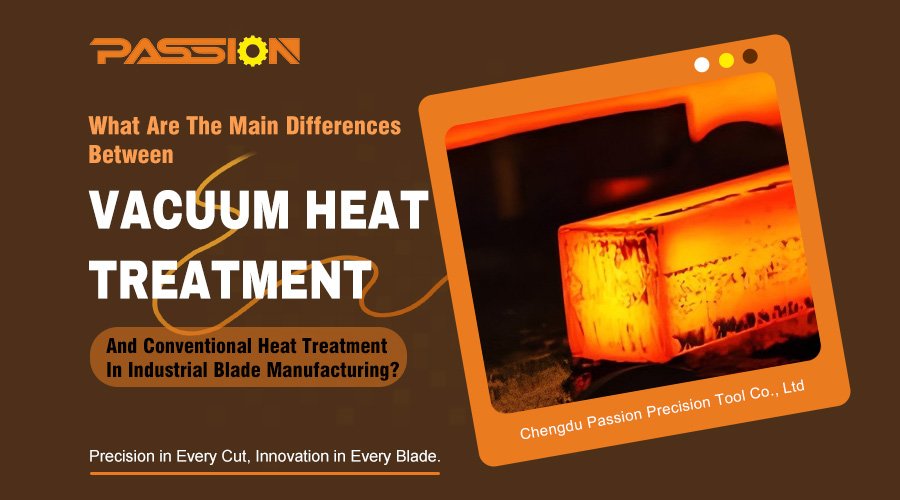
Your blades wear out too fast, causing costly downtime. This constant replacement cycle hurts your production and your bottom line. The secret to a longer-lasting blade lies in its heat treatment.
Vacuum heat treatment is performed in an oxygen-free environment, which prevents oxidation and ensures a uniform microstructure. This results in superior blade hardness1, toughness2, and a significantly longer service life compared to conventional heat treatment methods that are prone to creating surface defects and internal stresses.
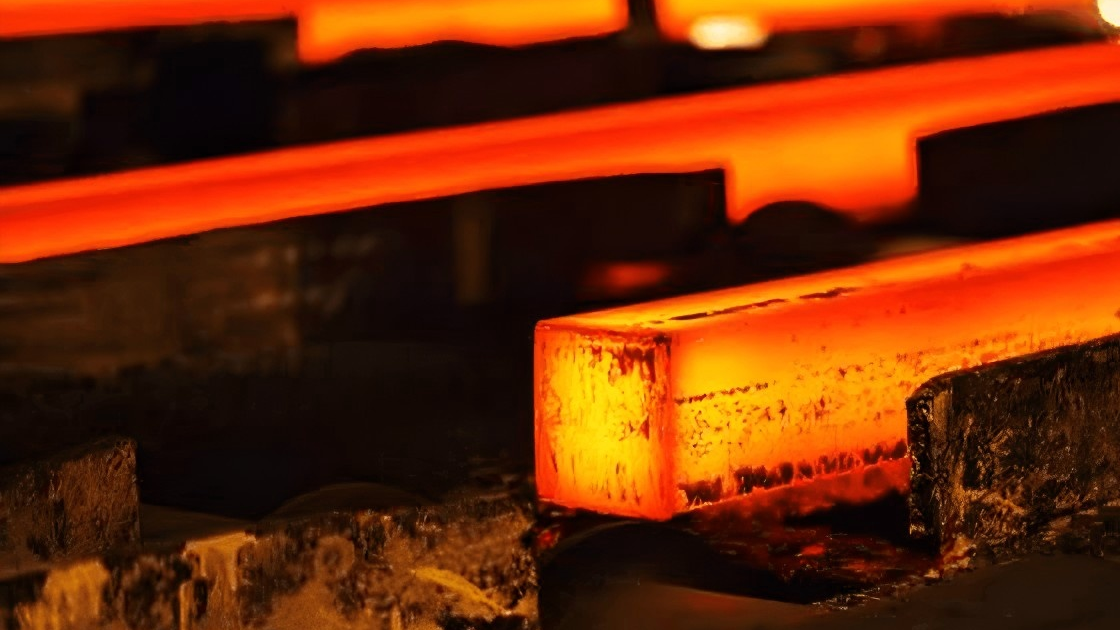
The topic of heat treatment comes up a lot. Many people see it as just a step in the manufacturing process, but I see it as the very heart of what makes a blade perform well. It’s the difference between a tool that works and a tool that excels. Let’s explore the real-world impact of these two methods. I want to share some stories from clients I've worked with to show you exactly why this matters so much for your operations.
How Does Heat Treatment Affect A Blade's Surface Integrity And Precision?
Does your final product suffer from imperfect cuts or contamination? These issues often trace back to the blade's surface. A flawed blade surface can ruin high-quality materials and production efficiency.
Vacuum heat treatment occurs in a high vacuum, eliminating oxygen. This process prevents surface oxidation and preserves the blade's precise dimensions. Conventional methods, exposed to air, create a rough, scaled surface that can compromise cutting accuracy and require extra finishing steps.
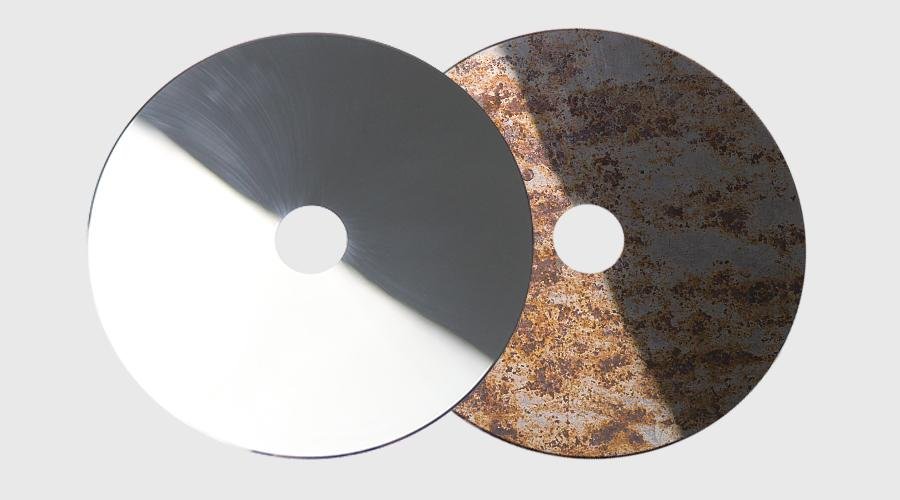
When we talk about blade performance, the surface is where the action happens. A clean, smooth surface ensures a clean cut. I remember working with a client in Italy who runs a large textile manufacturing plant. They were cutting very fine, delicate fabrics, and they had a persistent problem with snagging. Their blades, which were conventionally heat-treated, had microscopic pitting on the surface. These tiny imperfections were catching the threads and causing waste.
I suggested they try our vacuum-heat-treated blades. After the switch, the problem disappeared completely. The vacuum process creates an incredibly clean and smooth surface. There is no chance for oxidation or decarburization3 to occur. This preserves the integrity of the steel right at the cutting edge. For the Italian client, it meant less material waste and a higher quality final product.
Here is a simple breakdown of the differences:
| Feature | Vacuum Heat Treatment | Conventional Heat Treatment |
|---|---|---|
| Atmosphere | Oxygen-free vacuum | Air or protective gas |
| Surface Finish | Clean, bright, and smooth | Prone to scaling and oxidation |
| Decarburization | Eliminated | A significant risk |
| Post-Processing | Minimal to none needed | Often requires grinding/cleaning |
Why Does Microstructural Uniformity Matter For Blade Hardness And Toughness?
Are you tired of blades that are either too brittle and chip easily or too soft and lose their edge quickly? This inconsistency leads to unpredictable performance and frequent, frustrating production stops.
Microstructural uniformity creates a perfect balance between hardness (edge retention) and toughness (chipping resistance). Vacuum heat treatment provides precise, even heating and cooling. This refines the steel's grain structure uniformly, creating a blade that is both hard and durable.
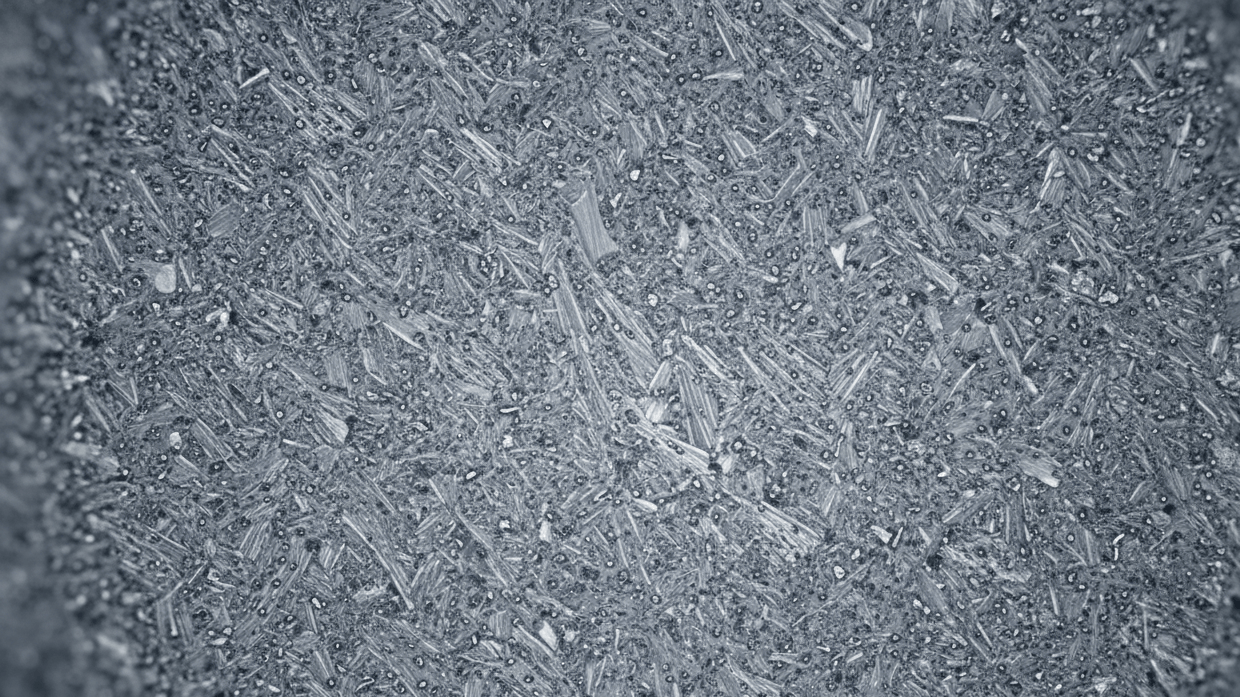
A great blade is not just about being hard. It also needs to be tough. Hardness allows the blade to hold a sharp edge, while toughness allows it to absorb impact without fracturing. The key to achieving this balance lies in the steel's internal microstructure. A uniform, fine-grained structure is ideal.
I worked with a food processing company in Brazil that faced a major challenge. They were slicing large blocks of frozen meat. The blades they were using, which underwent conventional heat treatment, kept failing. Some would chip and break apart from the shock of hitting the frozen product. Others would dull and deform quickly. The uneven cooling rates of their treatment process created an inconsistent microstructure. Some parts of the blade were brittle, and others were soft.
We supplied them with our vacuum-heat-treated blades. The programmable, controlled cooling4 in a vacuum furnace ensures that the entire blade cools at a uniform rate. This results in a consistently fine and homogenous grain structure. The new blades had the high hardness needed to slice cleanly through the frozen blocks and the toughness to withstand the repeated impact. Their blade lifespan increased by over 40%, and their line stoppages dropped dramatically.
| Property | Vacuum Heat Treatment | Conventional Heat Treatment |
|---|---|---|
| Heating Control | Precise and uniform | Less precise, potential hot spots |
| Cooling Rate | Controlled and even (using inert gas) | Often uneven, can induce stress |
| Grain Structure | Fine and homogenous | Coarse and inconsistent |
| Performance | Balanced hardness and toughness | Prone to brittleness or softness |
Is Vacuum Heat Treatment A More Cost-Effective Solution In The Long Run?
Buying cheaper blades seems like a good way to save money. But are you factoring in the cost of frequent machine downtime? The hidden costs of blade changes can quickly erase any initial savings.
Yes, vacuum heat treatment is typically more cost-effective long-term. Although the blades have a higher upfront cost, they last 30-50% longer. This reduces replacement frequency, minimizes downtime, and lowers your total operational cost far more than the initial price difference.
I always encourage my clients to look at the Total Cost of Ownership (TCO), not just the purchase price of a blade. The TCO includes the blade’s price, the labor cost for changeovers, the value of lost production during downtime, and even the cost of wasted material from bad cuts. When you look at the full picture, a superior blade almost always wins.
A great example is a partner of ours in Germany who operates in the paper converting industry. They run their slitting machines 24/7. With their conventionally treated blades, they had to stop production every shift to make a blade change because the edges were dulling. This was their standard procedure.
I convinced them to run a trial with our vacuum-heat-treated blades. The purchasing manager was hesitant because our blades were more expensive. However, the results spoke for themselves. Our blades lasted for three full shifts before needing a change. They reduced their machine downtime by two-thirds. The cuts were also cleaner, producing less paper dust. When they calculated their TCO, they found they were saving nearly 20% annually just on that one production line. The initial investment paid for itself many times over.
| Cost Factor | Vacuum-Treated Blades | Conventionally Treated Blades |
|---|---|---|
| Initial Purchase Price | Higher | Lower |
| Blade Lifespan | 30-50% Longer | Standard |
| Machine Downtime | Significantly Reduced | Frequent |
| Labor for Changes | Lower | Higher |
| Total Cost of Ownership | Lower | Higher |
Conclusion
In summary, choosing vacuum heat treatment means investing in superior quality. It produces blades with better surface integrity, balanced performance, and a longer lifespan, offering you greater value and efficiency.
Understand the importance of blade hardness in achieving optimal cutting efficiency. ↩
Discover why toughness is crucial for blade durability and performance. ↩
Learn about decarburization and its negative effects on blade quality. ↩
Discover how controlled cooling enhances the properties of industrial blades. ↩