Skip to content
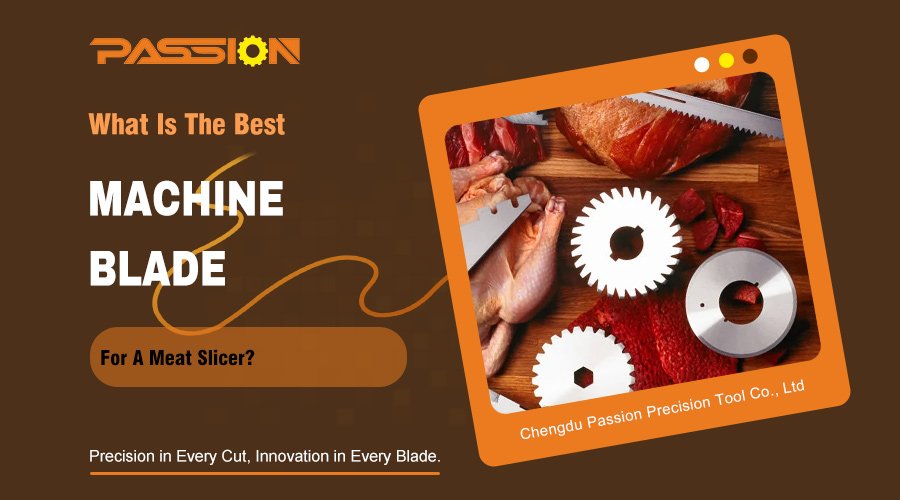
Your meat slicer isn't cutting perfectly. This damages product quality and slows you down. The right blade choice is the key to fixing this problem for good.
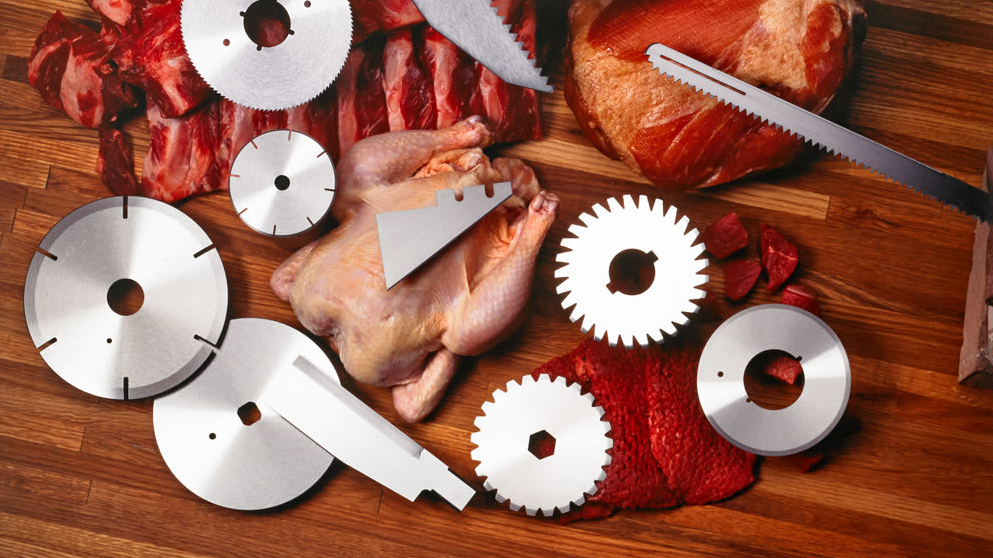
In the realm of large-scale food processing, selecting industrial-grade meat slicer blades1 differs significantly from choosing blades for household or small commercial equipment. Opting for the best meat slicer blade isn't a one-size-fits-all decision but rather a comprehensive choice that requires consideration of the type of meat you'll be slicing, the volume of cutting required, and other factors.
I remember a client who almost gave up on a new, expensive slicer because the performance was so poor. He thought the machine was faulty, but the real problem was a simple mismatch between the blade and the product. But the secret to peak performance is not just about the blade's edge; it is about several key details working together. Let's explore what makes a blade truly great for your specific needs.
How Do You Choose Between Smooth And Serrated Blades?
Do you get torn ham or slippery frozen meat? This ruins your product and can be dangerous. Knowing which blade edge to use is the simple, effective solution.
Choose a smooth blade for soft, boneless meat. It delivers clean, uniform slices. Use a serrated blade for frozen or tough meats. Its teeth provide the grip needed for a stable, efficient cut without slipping. This choice directly impacts quality and safety.
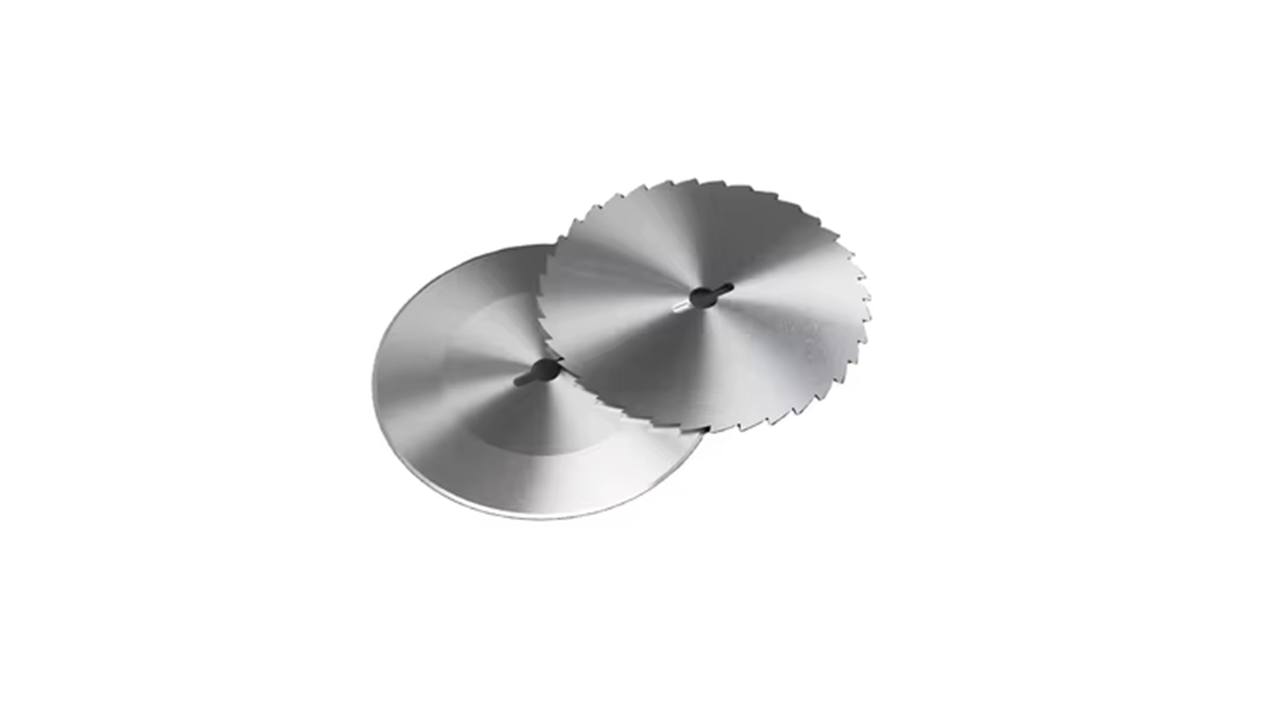
I once worked with a client, a large deli producer in Germany. He was very frustrated because his ham slices were always shredded. He was using a serrated blade, thinking it was "stronger" for high-volume work. I explained the core difference to him. A serrated blade acts like a saw; it is designed to grip and cut through hard, frozen surfaces. A smooth blade acts more like a razor. It is meant for gliding through soft textures without tearing delicate fibers.
The Right Blade For The Job
For his soft, cooked ham, the smooth blade was the correct tool. The serrated edge was tearing the meat apart. We switched him to one of our polished smooth meat slicer blades2. The change was immediate. His slices were suddenly perfect and consistent. Most importantly, his product waste dropped to almost zero. This case clearly shows how a simple choice makes a huge impact on product quality and profit.
Blade Feature Comparison
| Blade Type | Best For | Key Benefit |
|---|---|---|
| Smooth Edge | Soft, Boneless Meat (Deli, Ham) | Clean, Uniform Slices |
| Serrated Edge | Frozen or Hard Meat | Strong Grip, Prevents Slipping |
Why Does Blade Material And Coating Matter So Much?
Is sticky meat residue slowing down your slicing line? This mess costs you cleaning time and can affect food safety. A special coating is the simple answer you need.
Material ensures durability, but coatings solve specific problems. Standard stainless steel is great. However, an FDA-certified Teflon coating3 is best for sticky products like cheese or cooked meats. It prevents sticking, makes cleaning easy, and improves slice quality by reducing friction.
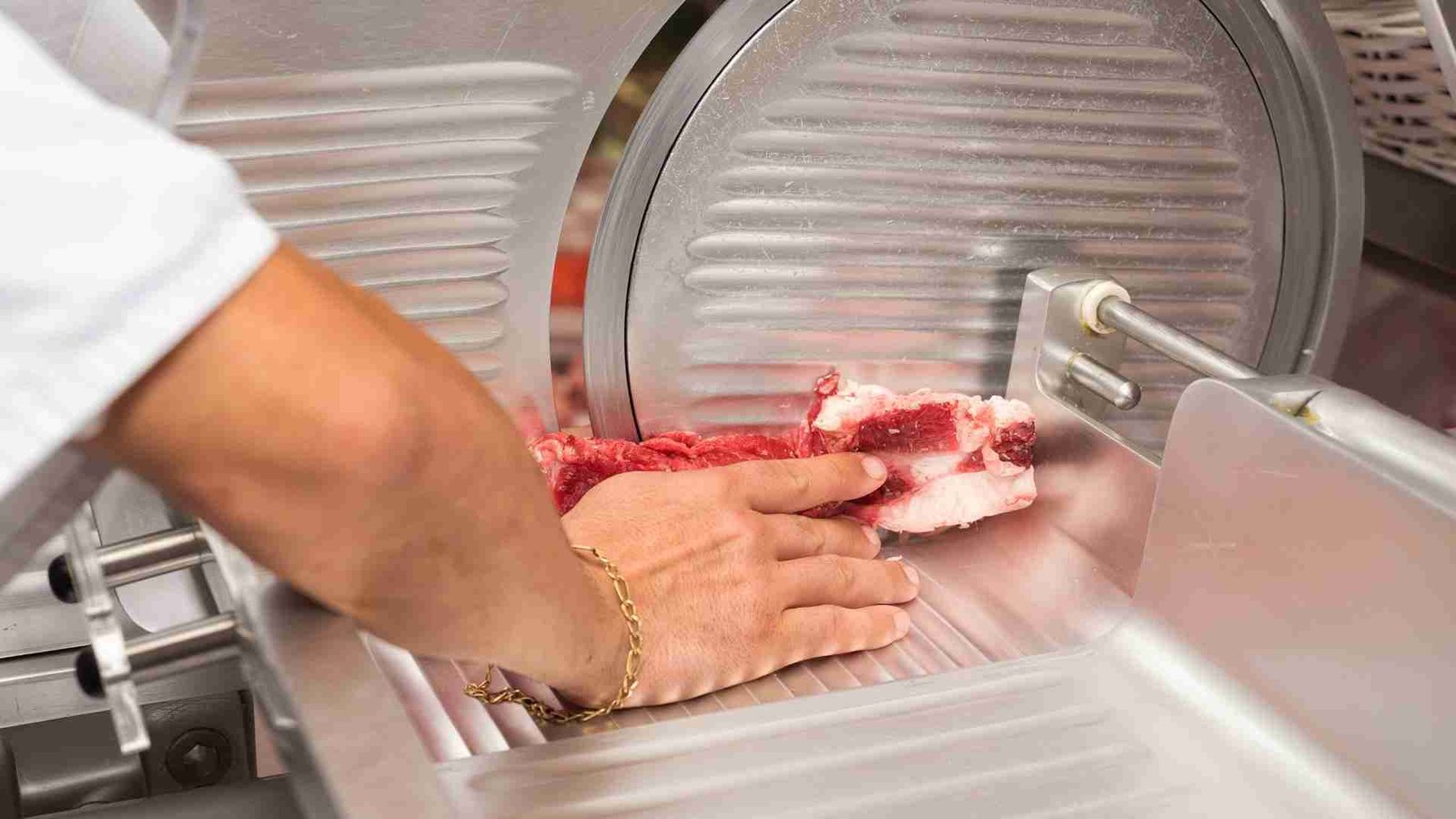
A client in the US who makes pre-packaged lunch meat had a big problem. Their cooked turkey was sticking to their standard stainless steel blades. This caused torn slices and forced them to stop the line to clean the blade every 30 minutes. It was a major bottleneck in their production. The solution was simple: they needed a blade with a food-grade Teflon coating. I recommended one of our FDA-certified coated blades.
Reducing Friction And Downtime
This special coating creates an ultra-smooth, non-stick surface. The meat slices just slide off effortlessly with no residue left behind. After we supplied them with coated blades, their cleaning-related downtime was cut by over 80%. Their slices also became much more consistent because there was no drag from the blade. It's a perfect example of how a small upgrade creates a big gain in efficiency.
Material And Coating Benefits
| Feature | Standard Stainless Steel | Teflon-Coated Steel |
|---|---|---|
| Key Benefit | Durability & Corrosion Resistance | Non-Stick & Easy Cleaning |
| Ideal Use | General Purpose Cutting | Sticky or Delicate Products |
Does The Size Of The Blade Really Affect Performance?
Is your slicer too slow for your production needs? You might be limited by a blade that is too small for the job. Matching the blade size unlocks your machine's full potential.
Yes, size is absolutely critical. A larger blade can handle bigger blocks of meat and increases throughput. Industrial slicers typically use 12 to 14-inch blades or larger. Using a blade that is too small limits your capacity and can strain the slicer's motor.
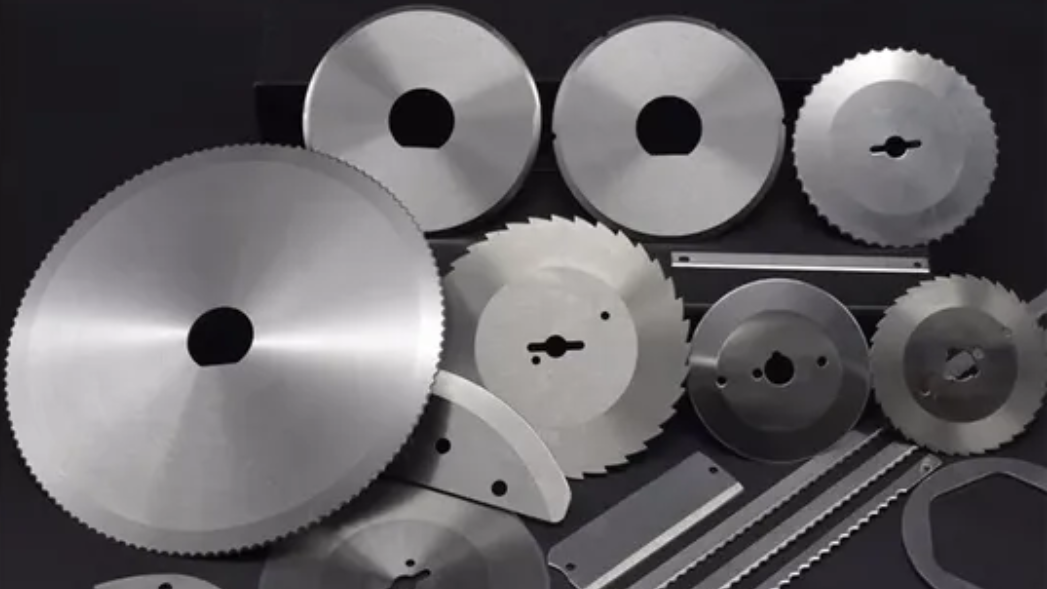
I worked with a food processor in Brazil who was scaling up their operations. They bought a larger, more powerful slicing machine but kept using their old 10-inch blades to save money. Their output did not increase as they expected. The new motor was very powerful, but the small blade was a bottleneck. It simply could not handle the larger meat logs they were now processing. Their new investment felt like a waste.
Matching Power With Capacity
We advised them to upgrade to a 14-inch blade that matched their new machine's specifications. The difference was like night and day. They were finally able to use the full power and speed of their new equipment. Their throughput increased by 40% overnight. The lesson is simple: your blade and machine must work together. A powerful engine needs the right size wheels to perform well.
Common Industrial Blade Sizes
| Blade Diameter | Typical Use Case | Advantage |
|---|---|---|
| 10-12 inches | Medium-Duty, Smaller Cuts | Versatile for smaller operations |
| 13-14 inches+ | High-Volume, Large Meat Logs | Maximum Throughput & Efficiency |
Conclusion
Choosing the best meat slicer blade means matching the edge, material, and size to your needs. This ensures top quality, safety, and efficiency for your entire production line.
Explore this link to understand the unique features and benefits of industrial-grade meat slicer blades for optimal performance. ↩
Learn about the benefits of polished smooth blades for achieving perfect meat slices. ↩
Find out how FDA-certified Teflon coatings can enhance blade performance and food safety. ↩