Skip to content

Are your industrial blades dulling quickly or making messy cuts? This downtime costs money and lowers quality. The problem might not be the material, but the blade's edge geometry.
The stepped edge, also known as a compound bevel, uses multiple angles to distribute cutting force1. This design reduces initial impact, controls chip flow, and provides extra support to the cutting edge, leading to cleaner cuts and much longer blade life2.
It's one of the most effective ways to boost performance without changing the blade material itself. Let's break down exactly what this structure is, how it works, and why it might be the perfect solution for your production line.
What Is The Stepped Structure Of Industrial Cutting Blades?
Confused by terms like "compound edge" or "secondary bevel"? You're not alone. This industry jargon can make choosing the right blade feel overly complicated and risky for your operation.
A stepped structure is a blade edge ground with two or more different angles. Instead of one single, straight bevel, it has a sharp primary cutting edge and a stronger, supportive secondary bevel right behind it. This creates a small "step" on the blade's surface.

Let's think about this in a simpler way. A standard blade edge is just a simple V-shape. A stepped edge is more sophisticated. The first part, the primary bevel, is ground to a very sharp, acute angle. Its only job is to make the first clean slice into the material. The second part, the secondary bevel, is ground at a wider, more robust angle. This part doesn't do the initial cutting. Instead, its function is to provide strength and support directly behind that sharp tip, preventing it from chipping or breaking under the main cutting pressure. It's a clever way to get the best of both worlds: extreme sharpness for a precision cut and durable strength for a long life.
Key Components Of A Stepped Edge
| Component | Angle Type | Primary Function |
|---|---|---|
| Primary Bevel | Small (Acute) | Makes the initial, clean incision into the material. |
| Secondary Bevel | Large (Obtuse) | Provides structural support and strengthens the primary edge. |
| The "Step" | Transition Point | The physical point where the two bevel angles meet. |
What Are The Functions Of The Stepped Structure?
Do your blades struggle with tough materials, leading to frequent and costly changes? This constant replacement eats into your profits and productivity. A simple design change could be the answer.
The stepped structure's main functions are to reduce the initial cutting impact, manage how waste material flows away, and strengthen the blade's edge. This results in less blade wear, cleaner cuts, and better performance on difficult or multi-layer materials.
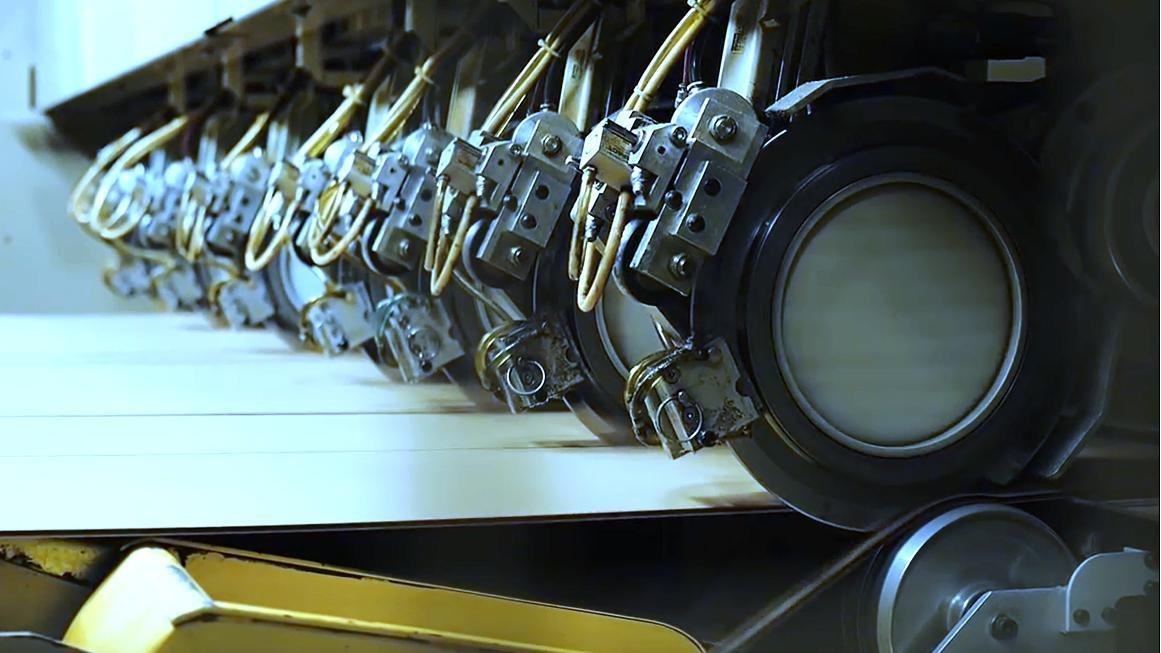
I remember a client in Brazil who runs a large packaging facility. They were cutting very thick, laminated cardboard, and their standard single-bevel blades were chipping constantly. The initial impact of the blade hitting that tough material was just too much for a simple edge to handle. We switched them to a blade with a stepped structure. The sharp primary edge made the initial slice with ease, but the sturdier secondary bevel absorbed the main cutting force that followed. This staged distribution of the load stopped the chipping problem overnight. Their blade life more than doubled, and their line ran much more smoothly. This design is also excellent for controlling the cut material3, guiding it away from the blade to prevent jamming.
Core Functions Breakdown
| Function | How It Works | Main Benefit |
|---|---|---|
| Load Distribution | The primary edge cuts; the secondary edge supports the force. | Prevents the sharp cutting edge from chipping and breaking. |
| Chip Management | The step directs cut material away from the work area. | Reduces machine jamming and ensures a continuous cut. |
| Improved Durability | The wider angle of the secondary bevel adds more mass and strength. | Increases the overall lifespan and resilience of the blade. |
Why Is Mirror Polishing Of The Step Surfaces Important?
Are you seeing sticky residue or friction marks4 on your blades after a run? These tiny imperfections can ruin your product finish, cause defects, and slow down your entire production line.
Mirror polishing the step surface creates an extremely smooth, non-stick finish. This reduces friction as the blade moves through the material. It also prevents residue, adhesives, and cut particles from sticking to the blade, ensuring a consistently clean cut.
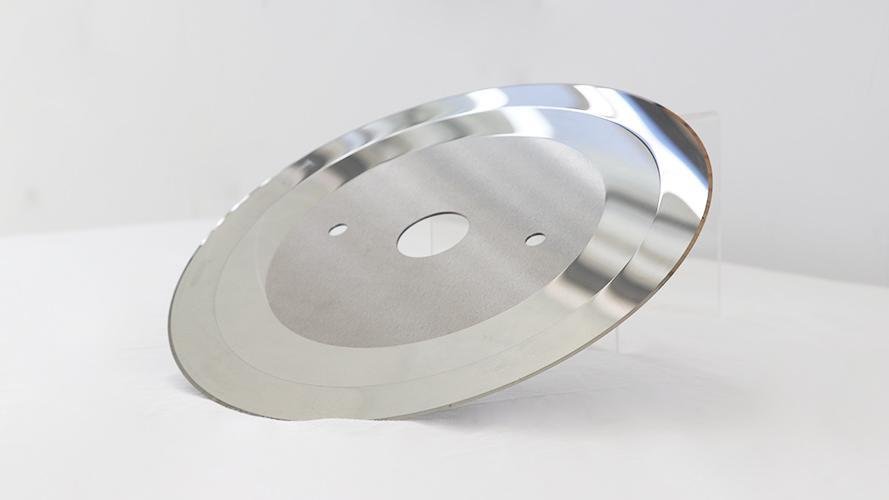
Mirror Polishing Advantages
| Advantage | Technical Reason | Practical Outcome |
|---|---|---|
| Reduced Friction | It dramatically lowers the coefficient of friction on the blade surface. | Less heat is generated, resulting in a smoother, cleaner cut. |
| Prevents Adhesion | The surface is free of microscopic pits where material can stick. | Perfect for sticky materials like adhesives, food, or tapes. |
| Better Chip Flow | Waste material slides off the blade surface easily. | Prevents machine jams, reduces defects, and improves output. |
Where Are Stepped Designs Most Commonly Used In Blades?
Are you cutting complex materials like multi-layer films or technical textiles? Standard blades might be snagging the material or causing the layers to separate. You need a blade designed for these tricky jobs.
Stepped designs are ideal for slitting thin films, cutting multi-layer textiles, and processing composite materials. The design allows for a clean initial cut with a sharp primary edge, while the secondary bevel provides the stability needed to prevent tearing, fraying, or delamination.
Let me share one more story. We have a client in Vietnam that produces technical textiles by bonding multiple layers of synthetic fabric together. Their problem was fraying. A single-bevel blade strong enough to cut all the layers would often snag and pull the delicate fibers. A blade that was sharp enough not to snag was too fragile and would break quickly. This is a classic case where a stepped design shines. We engineered a blade with a very acute primary angle to slice the top layer cleanly without pulling any fibers. The secondary bevel followed, providing the force to cut through the remaining layers without putting stress on that initial sharp edge. This two-stage action completely solved their fraying problem.
Common Industrial Applications
| Industry | Material Example | Why Stepped Design Works So Well |
|---|---|---|
| Flexible Packaging | Thin Plastic Films (BOPP, PET) | Provides a clean slit without stretching or tearing the delicate film. |
| Textiles | Multi-Layer Synthetic Fabrics | The primary edge prevents snagging fibers; the secondary edge provides power. |
| Paper Converting | Coated Papers & Adhesive Labels | Cuts cleanly through coatings and adhesives without material buildup. |
| Plastics | Extruded Plastic Sheeting | Reduces the risk of stress fractures and messy edges during cutting. |
Conclusion
The stepped edge structure is an intelligent design. It perfectly balances sharpness with strength, making your blades last longer and cut better, especially when working with tough or complex materials.
Learning about cutting force can help you optimize your blade selection and improve cutting quality. ↩
Exploring factors that affect blade life can help you make informed decisions to reduce costs and downtime. ↩
Exploring how cut material influences blade choice can lead to better cutting outcomes and reduced costs. ↩
Understanding the impact of friction marks can help you maintain blade quality and improve cutting results. ↩