Skip to content
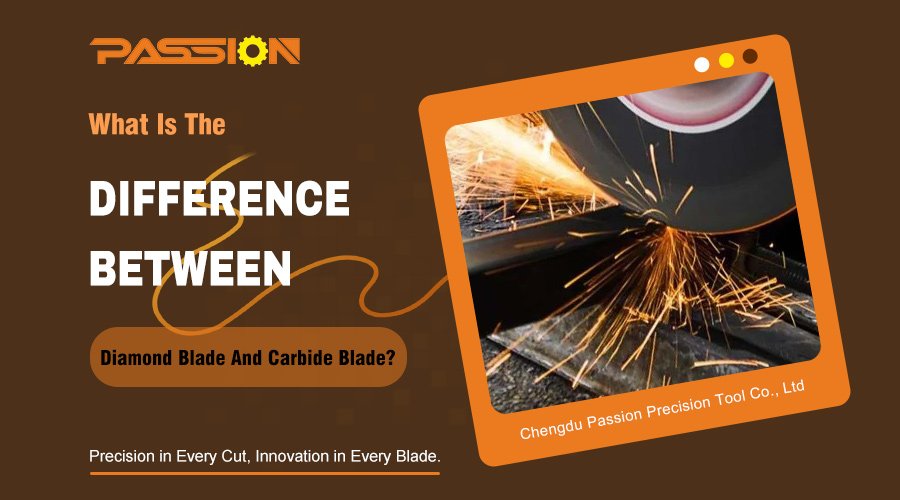
Are you struggling with blade choices? The wrong one wears out fast, costing you time and money. This confusion can halt your production line and hurt your bottom line.
Carbide blades are tough, versatile tools made from tungsten carbide1 and a binder, ideal for general-purpose cutting of metals and tough materials. Diamond (PCD) blades offer extreme hardness for cutting non-ferrous and abrasive materials, providing a superior finish and a much longer lifespan.
I often get asked this question by clients trying to optimize their cutting process. The choice isn't just about what's sharper; it's about matching the right material science to your specific application. Let's break down the key differences so you can make the best decision for your operations. Understanding these details will help you move forward with confidence.
How Do The Core Materials And Hardness Differ?
Does your blade dull too quickly on abrasive materials? This rapid wear forces constant replacements and downtime. A blade not matched to the material is a recipe for inefficiency.
Carbide blades combine hard tungsten carbide particles with a tough cobalt binder2, creating a balance of hardness and fracture resistance. Diamond blades use a layer of polycrystalline diamond3 (PCD), the hardest known material, making them exceptionally wear-resistant but more brittle and less heat-tolerant.
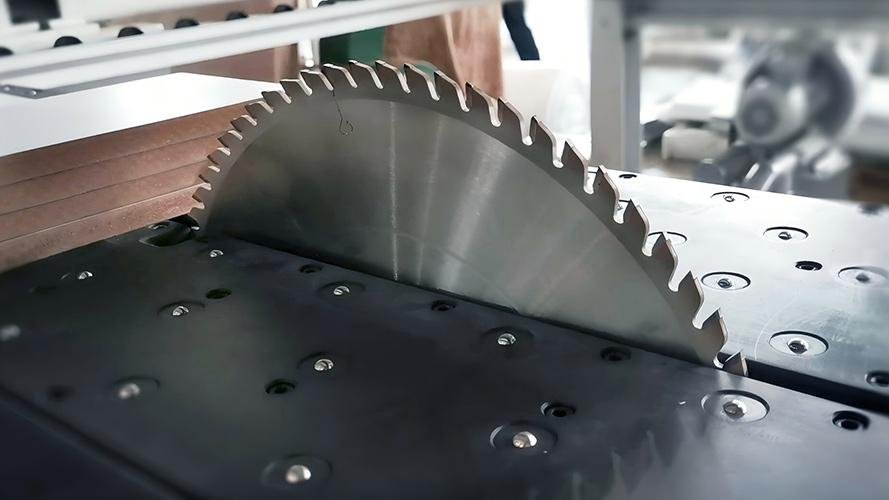
I remember a client in Brazil who runs a large furniture manufacturing plant. They were cutting high-density fiberboard4 (HDF), which is incredibly abrasive due to the resins and compressed wood fibers. Their standard carbide circular blades were dulling after just a few shifts, leading to poor cut quality and costly downtime. We looked at the core problem: the carbide's wear resistance wasn't high enough for this specific material.
The fundamental difference is in their construction.
- Carbide: Think of it like concrete. You have hard aggregate (tungsten carbide particles) held together by a cement-like binder (cobalt or nickel). This structure provides excellent hardness but also has enough toughness from the binder to absorb some shock.
- Diamond (PCD): This is a synthetic material where diamond crystals are fused together under extreme pressure and heat. It creates a solid, continuous layer of pure hardness without a softer binder.
We switched the Brazilian client to PCD-tipped blades. The upfront cost was higher, but their blade life5 increased by more than 25 times. The change came down to understanding the material science.
Material Composition Breakdown
| Feature | Carbide Blade | Diamond (PCD) Blade |
|---|---|---|
| Primary Material | Tungsten Carbide (WC) | Synthetic Diamond Crystals |
| Binder | Cobalt (Co) or Nickel (Ni) | Minimal or metallic catalyst |
| Hardness (HRA) | 85 - 95 HRA | > 98 HRA (approaching pure diamond) |
| Structure | Composite (Hard particles in a tough matrix) | Polycrystalline solid layer |
This difference in material makeup directly impacts which applications each blade is suited for.
Which Blade Performs Better Under Heat And Impact?
Have you ever had a blade chip or break during a tough, interrupted cut? This failure stops production instantly. Relying on a blade not built for impact is risky.
Carbide blades excel here. They have superior toughness and "red hardness," meaning they retain their strength at high temperatures generated when cutting steel6. Diamond blades are brittle, sensitive to high impact, and can degrade chemically when cutting ferrous metals at high speeds and temperatures.
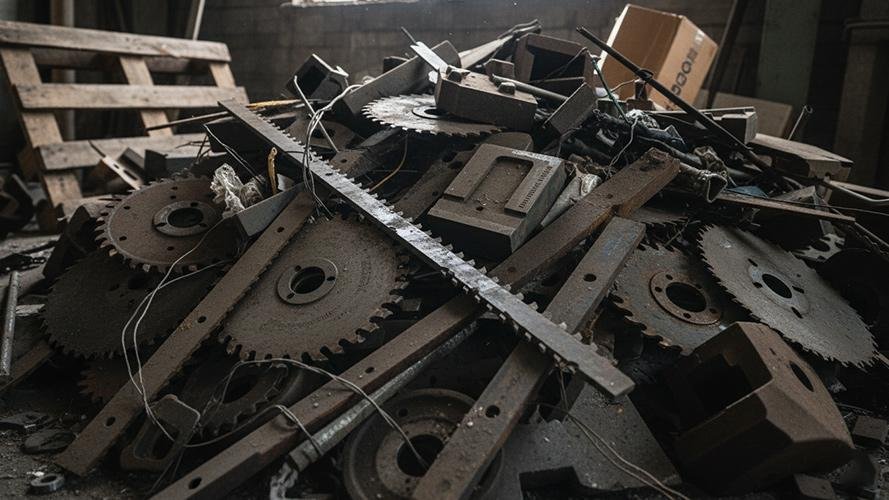
Impact resistance is a crucial factor. I cooperated with a metal recycling facility in Turkey that needed to shear mixed metal scrap. The process involves unpredictable, heavy impacts and interrupted cuts. They had considered different advanced materials, but the choice was clear. A diamond blade would shatter on the first impact with a piece of steel. Carbide, with its cobalt binder, is designed to absorb this kind of punishment. Its toughness is its greatest strength in these applications.
Furthermore, heat management is a critical performance differentiator.
- Carbide's Red Hardness: When you cut hard materials like stainless steel, the blade tip can glow red from the intense heat. Carbide is formulated to stay hard and effective even at these high temperatures.
- Diamond's Heat Sensitivity: Diamond is pure carbon. When it gets too hot while cutting iron or steel, a chemical reaction occurs where the carbon atoms from the diamond migrate into the iron. This causes the diamond to rapidly degrade and wear out, rendering it useless.
This is why you never use a diamond blade on steel. It's not a matter of a diamond not being "strong" enough; it's a matter of chemical incompatibility.
Performance Under Stress Comparison
| Performance Metric | Carbide Blade | Diamond (PCD) Blade |
|---|---|---|
| Impact Resistance | High | Low |
| Heat Resistance | Excellent (Good "Red Hardness") | Poor (Degrades above 700°C) |
| Suitability for Steel | Excellent | Unsuitable (Chemical reaction) |
| Interrupted Cuts | Very Good | Not Recommended |
For any job involving heavy shocks or cutting ferrous metals, carbide remains the industry standard for reliability.
When Should You Choose A Diamond Blade Over A Carbide Blade One?
Are your final products requiring extra polishing steps? Poor surface finish7 from the blade adds labor costs. Achieving a perfect cut from the start saves valuable time and money.
Choose carbide for its versatility and toughness when cutting steel, iron, and for general-purpose tasks with high impact. Choose a diamond blade for cutting non-ferrous metals (aluminum, copper) and highly abrasive non-metals (carbon fiber, fiberglass, ceramics) where an exceptional surface finish and extreme blade life are required.
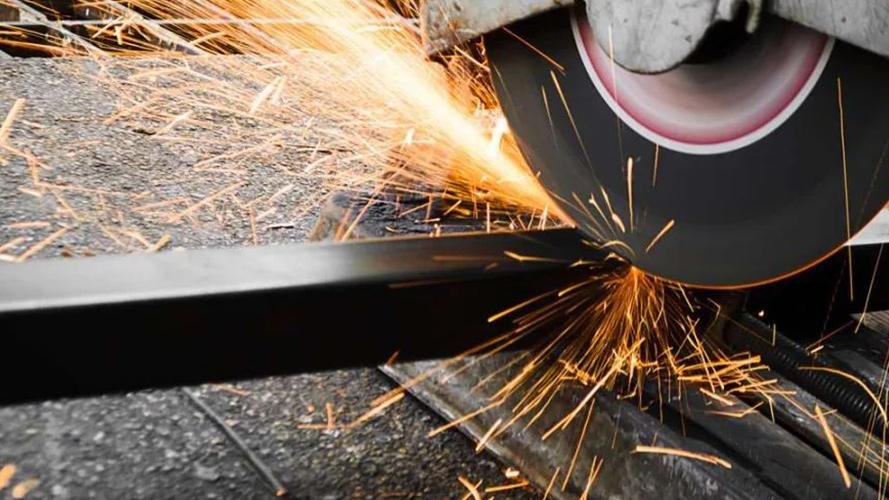
The right choice always comes back to the material you are cutting and your desired outcome. I helped a customer in Poland who manufactures high-end architectural aluminum window frames. They were using high-grade carbide blades but still needed a secondary polishing process to get the mirror-like finish their luxury market demanded. The process was slow and expensive.
I explained that this was a perfect use case for a PCD blade. Diamond's low coefficient of friction and ability to maintain an incredibly sharp edge results in a cleaner shear. It cuts the aluminum without smearing or creating a large burr. They trialed a PCD blade on their miter saws. The result was a cut so clean and precise that it eliminated the need for 90% of their post-processing work. The blade paid for itself in saved labor costs within a few months. This is a classic example of where diamond blades provide immense value.
To make it simple, think about these trade-offs.
Application Decision Guide
| Factor to Consider | Choose Carbide Blade If... | Choose Diamond (PCD) Blade If... |
|---|---|---|
| Material Being Cut | Steel, stainless steel, cast iron, wood, paper, rubber. | Aluminum, copper, brass, composites, carbon fiber, plastics, ceramics. |
| Primary Goal | Versatility, cost-effectiveness, and impact resistance. | Ultimate surface finish, longest possible blade life. |
| Cutting Condition | Interrupted cuts, roughing, variable conditions. | Continuous cuts, stable machining, high-speed finishing. |
| Budget Consideration | Lower initial tool cost is a priority. | Long-term cost per cut and reduced downtime are priorities. |
By analyzing your specific needs against this guide, you can confidently select the blade that delivers the best performance and return on investment for your operation.
Conclusion
Carbide is the tough, all-around workhorse for metals and general use. Diamond is the specialist for a perfect finish and long life in non-ferrous and abrasive materials.
Discover the properties of tungsten carbide and why it's a popular choice for cutting baldes. ↩
Learn about the role of cobalt binders in enhancing the performance of carbide blades. ↩
Understand the advantages of polycrystalline diamond in cutting applications and its unique properties. ↩
Understand the properties of high-density fiberboard and the best cutting methods for it. ↩
Explore tips and techniques to extend the life of your cutting blades and reduce costs. ↩
Explore the best blade options for cutting steel effectively and efficiently. ↩
Find out how to achieve superior surface finishes in your cutting processes for better results. ↩