Skip to content
Struggling with blade choices? Bad cuts and frequent replacements drain your budget. Let's explore which high-performance material, PM steel1 or tungsten carbide2, is right for your operation.
Powder metallurgy (PM) steel blades excel in toughness3 and impact resistance, perfect for shearing and forming. Tungsten carbide blades offer extreme hardness and wear resistance4, ideal for high-speed, high-precision cutting of hard materials. Your choice depends on balancing durability with cutting power.
I often get this question. The answer isn't always simple because both materials are fantastic. But they solve different problems. To find the right solution for you, we need to look closer at what makes them unique. Let’s dive into the details.
How Do Their Manufacturing Processes Affect Performance?
Confused by material jargon? The way a blade is made directly impacts its performance on your line. Understanding this helps you predict how it will behave under pressure.
PM steel is sintered from fine steel powders, creating a uniform structure with great toughness. Tungsten carbide bonds hard carbide particles with a softer metal binder, resulting in extreme hardness but lower toughness. This basic difference dictates their ideal uses in industrial cutting.
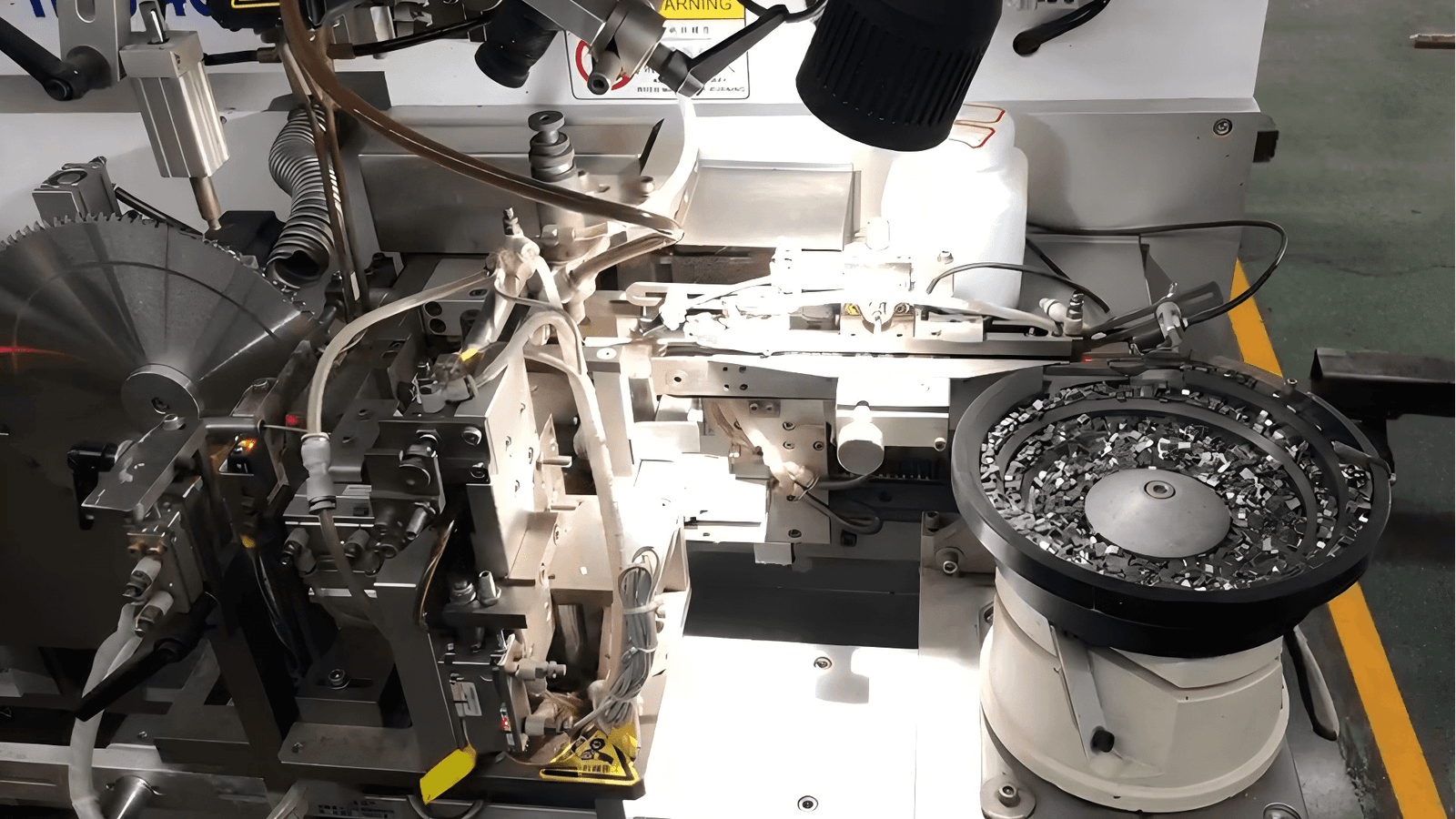
The manufacturing method is the source of each blade's unique strengths. Think of it like baking a cake. The ingredients and process determine the final texture and taste.
For PM steel, we start with high-alloy steel powders. These powders are mixed uniformly, pressed into shape, and then sintered at high temperatures. This process creates a very dense and pure internal structure. The key benefit is that the hard carbides are tiny and spread out perfectly evenly. This prevents weak spots and makes the blade incredibly tough and resistant to chipping. It has a balance of hardness and flexibility.
Tungsten carbide is different. It's a composite material. We take extremely hard tungsten carbide (WC) particles and mix them with a softer metal binder, usually cobalt (Co). This mix is sintered at a very high temperature. The result is a material where hard particles are held together by a metallic glue. This gives it incredible hardness and resistance to wear, but the material is more brittle. It's like having rocks (the WC) held together by hard cement (the Co). It’s super strong against a steady force but can crack under a sharp impact.
Manufacturing Impact On Blade Properties
| Feature | Powder Metallurgy (PM) Steel | Tungsten Carbide |
|---|---|---|
| Primary Component | High-alloy steel powders | Tungsten carbide particles & cobalt binder |
| Structure | Dense, uniform, fine carbides | Composite of hard particles in a softer matrix |
| Key Advantage | Excellent toughness & impact resistance | Extreme hardness & wear resistance |
| Main Weakness | Lower hardness than carbide | Brittle, prone to chipping on impact |
When Should You Prioritize Toughness Over Hardness?
Is your cutting process unstable? Unexpected shocks and vibrations can shatter a hard blade. This is when choosing a tougher material saves you from costly downtime and replacements.
Prioritize toughness when your application involves impacts, interruptions, or cutting materials with impurities. PM steel blades absorb shock and resist chipping, making them ideal for shearing, die-cutting5, and operations where blade stability is more critical than extreme edge retention.
Hardness is great, but it’s not everything. A blade that is too hard can be too brittle for the job. Toughness is a blade's ability to absorb energy and resist chipping or breaking. You need this when your cutting isn't perfectly smooth.
I remember working with a client in Brazil who runs a large metal recycling facility. They use massive shear blades to chop scrap metal. Initially, they tried using very hard blades, thinking they would last longer. But scrap metal is unpredictable. It contains different thicknesses and occasional hard contaminants. Their hard blades were chipping and failing within days. We switched them to our PM steel blades. Although not as hard, their superior toughness allowed them to withstand the constant impacts of chopping mixed metal. Blade life increased from a few days to several weeks, drastically reducing their downtime and replacement costs. They needed toughness, not just hardness.
Choosing Based On Application Impact
To help you decide, consider where your application falls on this spectrum.
| Application Type | Recommended Blade Material | Why? |
|---|---|---|
| High Impact Cutting (e.g., metal shearing, stamping) | PM Steel | Resists chipping and catastrophic failure from shocks. |
| Interrupted Cuts (e.g., milling with gaps) | PM Steel | The cutting edge can handle repeated entry and exit from the material. |
| Cutting Unclean Materials (e.g., recycled plastics, paper) | PM Steel | Being able to ignore impurities that would shatter a harder blade. |
| Stable, High-Wear Cutting (e.g., film slitting, fiber cutting) | Tungsten Carbide | The stable process allows the extreme hardness to provide a long life. |
Which Blade Lasts Longer In High-Wear Applications?
Are you replacing blades constantly? In high-volume production, wear resistance is directly tied to profitability. A blade that holds its edge longer means more uptime and consistent quality.
For pure wear resistance in stable, high-speed cutting, tungsten carbide blades last significantly longer. Their extreme hardness (often above 90 HRA) means they maintain a sharp edge for extended periods when cutting abrasive materials like fiberglass, paper, or high-density films.
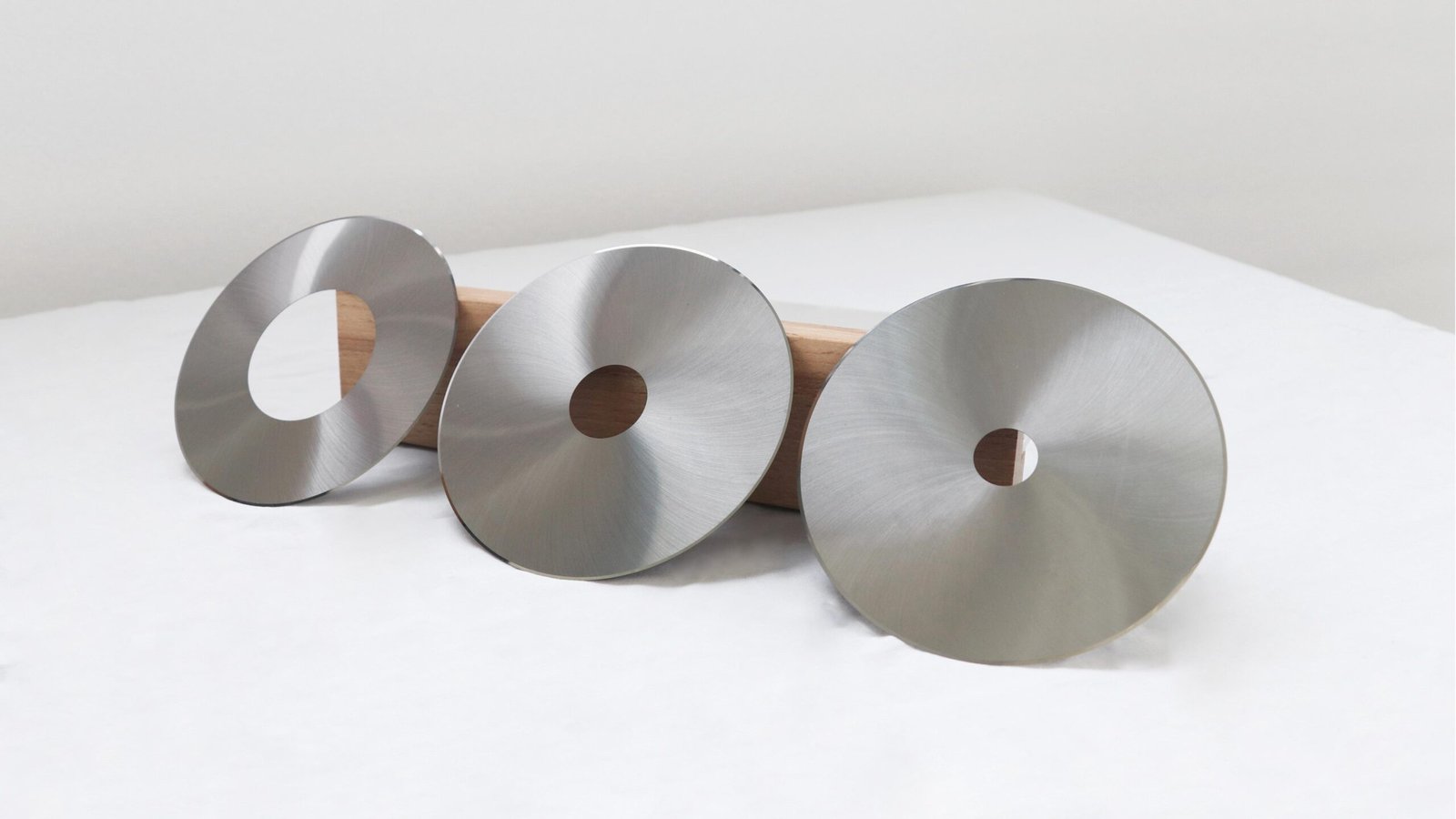
When the main enemy is friction and abrasion, hardness wins. Wear resistance is a material's ability to resist being worn away by contact and friction. In this area, tungsten carbide is the undisputed champion.
A few years ago, I started working with a German company that manufactures high-end textiles, including fabrics woven with fiberglass. Their slitting process was running 24/7, and the abrasive nature of fiberglass was wearing down their standard steel blades in a single shift. The constant blade changes were a major bottleneck. I suggested they test tungsten carbide slitter blades. The difference was immediate. The new blades lasted for weeks, not hours. The cut quality remained perfectly clean, and their production efficiency soared. Even though the initial cost of a carbide blade is higher, the massive increase in lifespan made it a far more economical choice for their high-wear application. This is a classic case where investing in a harder material pays off handsomely.
Wear Resistance Comparison
| Material | Hardness (Typical) | Best For | Typical Lifespan Multiplier (vs. Tool Steel) |
|---|---|---|---|
| PM Steel | 64-68 HRC | Abrasive materials with some impact risk | 3x - 5x |
| Tungsten Carbide | >90 HRA (>70 HRC) | Highly abrasive materials, stable cutting | 10x - 20x+ |
How Do You Choose The Most Cost-Effective Blade For Your Job?
Are you focused only on the upfront price of a blade? The true cost includes downtime, scrap rate, and replacement frequency. Choosing the most cost-effective blade means looking at the total picture.
The most cost-effective blade is the one that maximizes your production uptime and quality for the lowest total cost. PM steel is often more cost-effective in impact-prone jobs, while tungsten carbide excels in high-volume, stable applications where its long life justifies the higher initial investment.
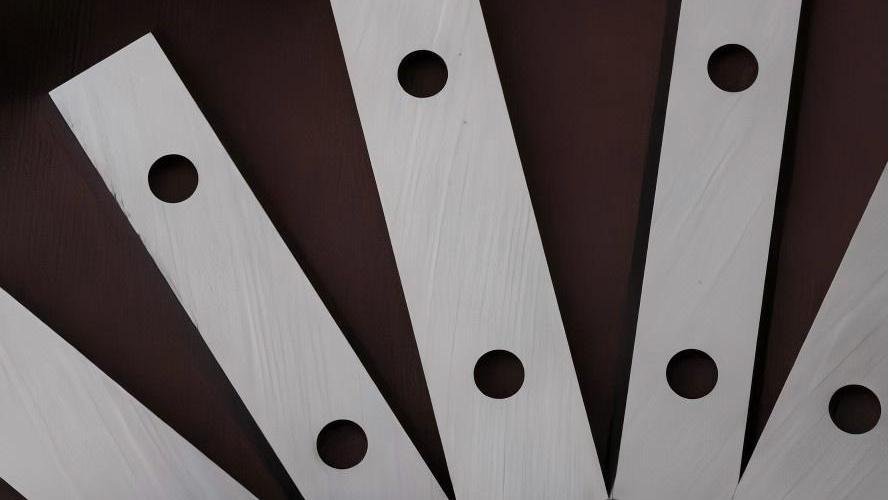
Let's look at another case. I worked with a packaging company in the United States that uses serrated blades to cut plastic film. They were using cheap, conventional steel blades and replacing them multiple times a day. The low purchase price seemed attractive, but the frequent stops to change blades were killing their output. We ran a cost analysis. We compared their current spending (blades + downtime cost) with the cost of our PM steel serrated blades. The PM steel blades cost more upfront, but they lasted for a full week. They offered the right balance—enough toughness to handle the high-speed stop-and-start cutting motion and much better wear resistance than what they were using. The reduction in downtime meant they produced more packages per shift, which quickly paid back the higher blade cost. The most "expensive" blade was actually the cheapest solution.
To find your most cost-effective solution, you must weigh these factors:
- Initial Purchase Price: The upfront cost of the blade.
- Blade Lifespan: How long the blade lasts before needing to be replaced or resharpened.
- Downtime Cost: The value of lost production every time you stop the line to change a blade.
- Cut Quality & Scrap Rate: A dull blade produces bad parts, which costs money.
The right choice balances these elements to deliver the lowest cost per cut.
Conclusion
Choosing between PM steel and tungsten carbide depends on your needs. PM steel offers unmatched toughness for impact-heavy jobs, while carbide provides superior hardness for high-wear, precision applications.
Explore the advantages of PM steel blades, known for their toughness and impact resistance, ideal for various cutting tasks. ↩
Discover why tungsten carbide blades are preferred for their extreme hardness and wear resistance in demanding cutting environments. ↩
Learn about the importance of toughness in blades and how it impacts their performance under stress and impact. ↩
Find out what makes blades wear-resistant and how it affects their longevity and performance in high-volume production. ↩
Learn about die-cutting and the blade materials that excel in this specific cutting application. ↩