Skip to content
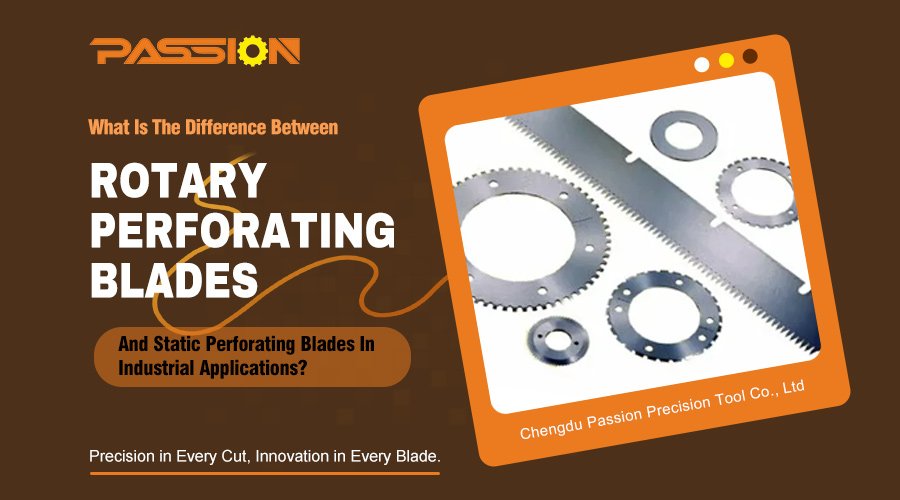
Choosing the wrong perforating blade1 can stop your production line. This costs you time and money. Understanding the key differences between rotary and static blades will solve this problem.
The biggest difference is their motion. Rotary blades spin with the material for fast, continuous perforation on production lines. Static blades stay still and punch holes, perfect for precise, intermittent tasks.
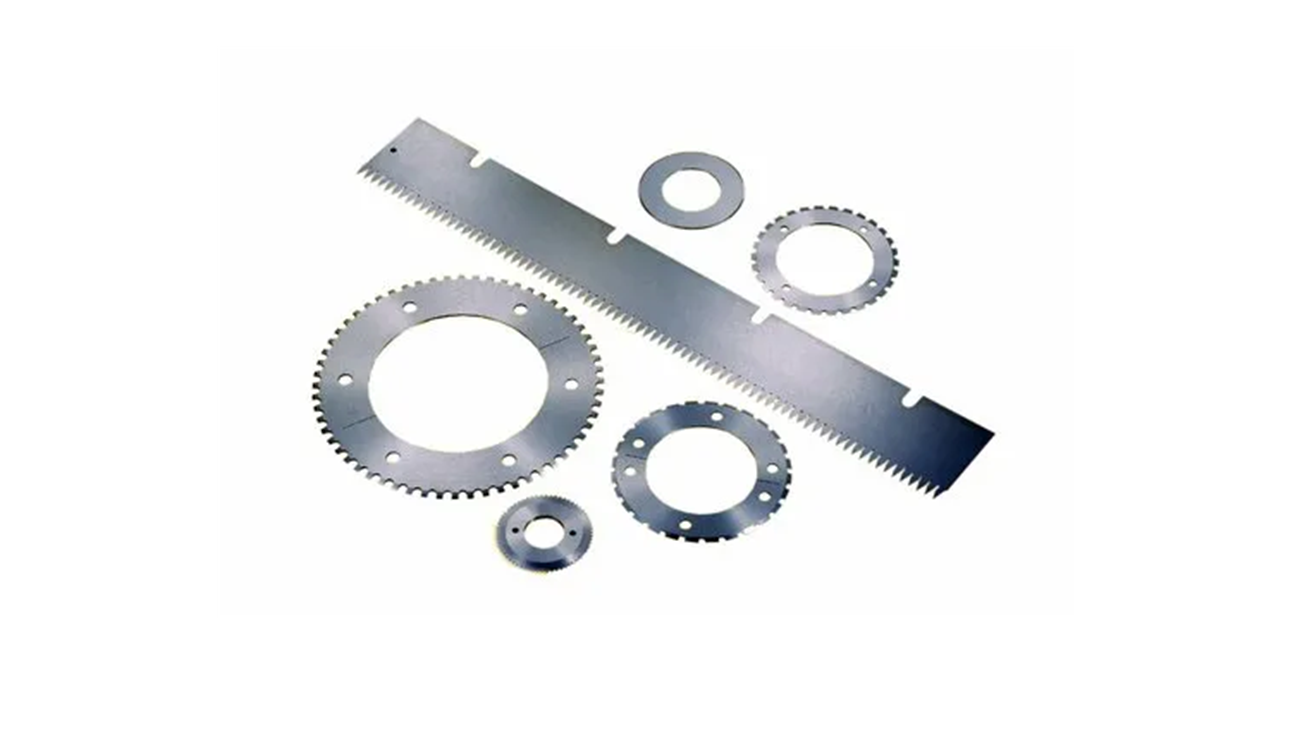
It's simple when you think about it. Imagine a roller with tiny spikes. As you roll it across paper, it makes a neat dotted line. That’s a rotary blade. Now think of a classic office hole puncher. You press down, and "punch," you get a hole. That's a static blade. But knowing this is just the start. The real question is how this difference impacts your specific job. Let's look closer.
How To Choose The Right Industrial Perforating Blade?
Picking the right perforating blade can feel overwhelming. The wrong one ruins materials and slows you down. The secret is matching the blade's strengths to your job's specific needs.
Your choice depends on your operation's needs. Use rotary blades for high-speed, continuous jobs where speed is most important. Choose static blades when you need clean, precise cuts for high-quality appearance.
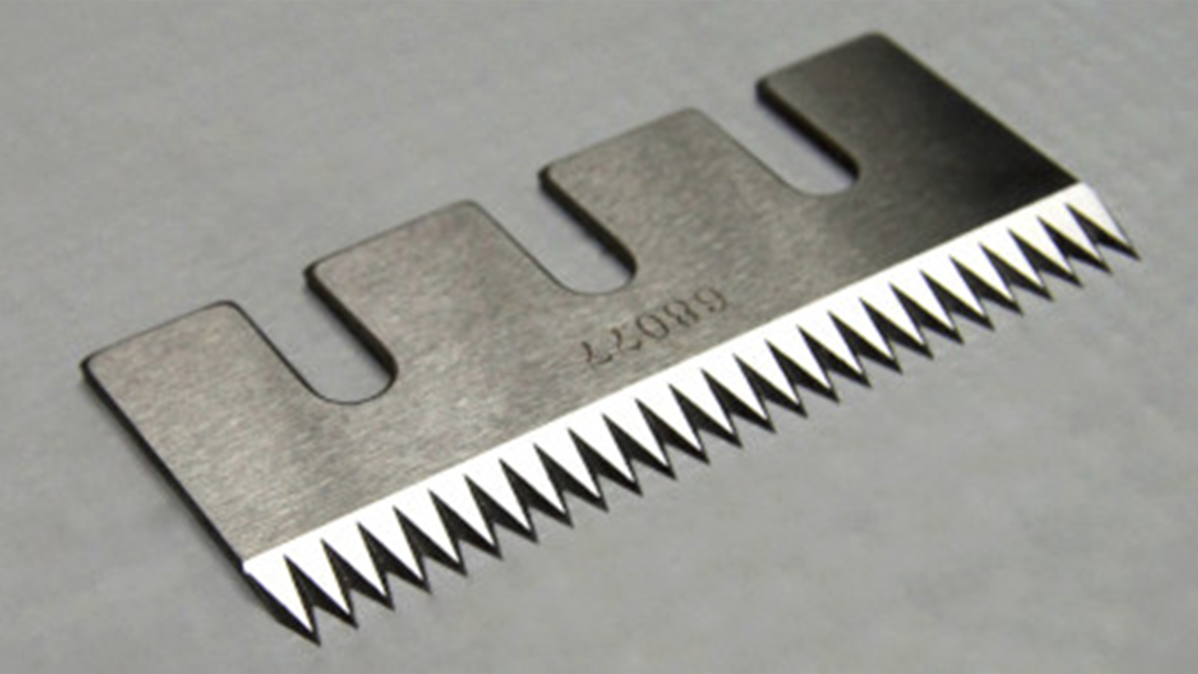
To make the best choice, you must look closely at your material and production goals. It’s not just about speed versus precision. It’s about how the blade interacts with what you're cutting. I often help clients at PASSION walk through this decision to find the perfect fit.
Material Suitability
Rotary blades are gentle. Their rolling action minimizes stress on the material. This makes them perfect for delicate materials that might tear easily. On the other hand, static blades use a direct punching force. This is great for thicker or tougher materials that need a clean punch-through without any give.
A Quick Guide
To help you visualize this, here is a simple table I often share with my clients. It matches common materials to the recommended blade type and explains why it works best for them.
| Material Type | Recommended Blade | Why It Works Best |
|---|---|---|
| Thin Films & Foils | Rotary Perforating | Gentle, rolling action prevents tearing on delicate webs. |
| Paper & Lightweight Card | Rotary Perforating | Ideal for high-speed lines in packaging or printing. |
| Nonwovens & Textiles | Rotary Perforating | Continuous perforation without snagging the fibers. |
| Thick Plastics & Cardboard | Static Perforating | Provides the force needed for a clean punch-through. |
| Coated or Laminated | Static Perforating | Ensures precision and prevents delamination at the cut. |
This simple guide is a great starting point for any discussion about optimizing your cutting process.
What Is The Real Cost Of Rotary Vs. Static Blades?
A blade's price tag doesn't tell the whole story. Only looking at the initial cost can lead to expensive surprises later. Understanding the total cost of ownership shows the real value.
Rotary blades have a higher initial cost but offer better long-term returns for high-volume production because they last longer and reduce downtime. Static blades are cheaper to start with, making them ideal for smaller batches.
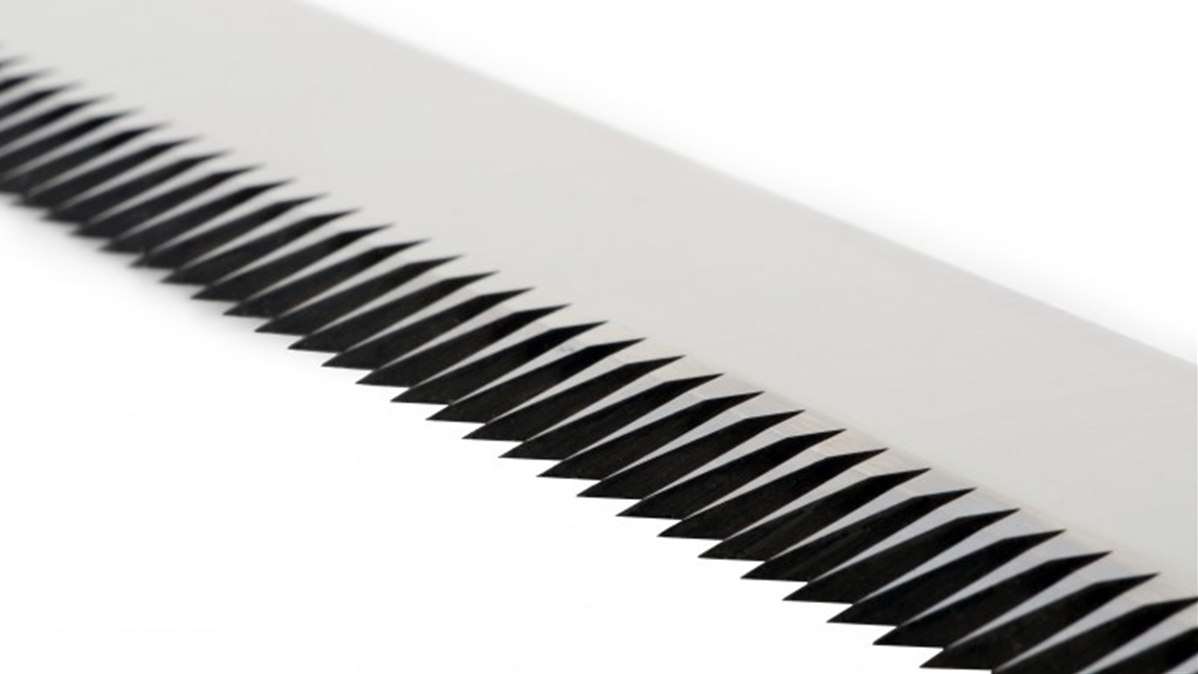
When I talk to new clients, the conversation often starts with price. But I always steer it toward value and long-term cost. The total cost of ownership2 (TCO) is a much better way to look at it. This includes the initial purchase price, blade lifespan, replacement frequency, and the cost of downtime.
A Real-World Example
A client of mine in Poland, let’s call him Janek, runs a large food packaging facility. He was using static blades on a high-speed film line. His team spent hours each week changing dull blades, and the line was constantly stopped.
The Shift To Rotary
I showed him the TCO calculation. While the initial investment in a PASSION rotary perforating system from us was higher, the benefits were clear.
| Cost Factor | Static Blade System | Rotary Blade System |
|---|---|---|
| Initial Investment | Low | High |
| Blade Lifespan | Short (hours/days) | Very Long (months/year) |
| Downtime | High (frequent stops) | Very Low (infrequent stops) |
| Production Speed | Limited by punch action | Maximized for continuous flow |
| Long-Term ROI | Lower for high volume | Higher for high volume |
Janek made the switch. Six months later, he told me his line's overall equipment effectiveness3 (OEE) had increased by 15%. The higher upfront cost was paid back in just a few months through increased output and reduced labor.
Which Blade Delivers Better Cut Quality And Versatility?
The quality of your perforation directly impacts your final product. Messy tear lines or inconsistent holes can damage your brand's reputation. The right blade type guarantees the quality you need.
For a smooth finish with perfectly round holes, rotary blades are excellent, especially on continuous materials. For versatility, like creating complex patterns or needing precise hole placement, static blades are unmatched and offer more flexibility.
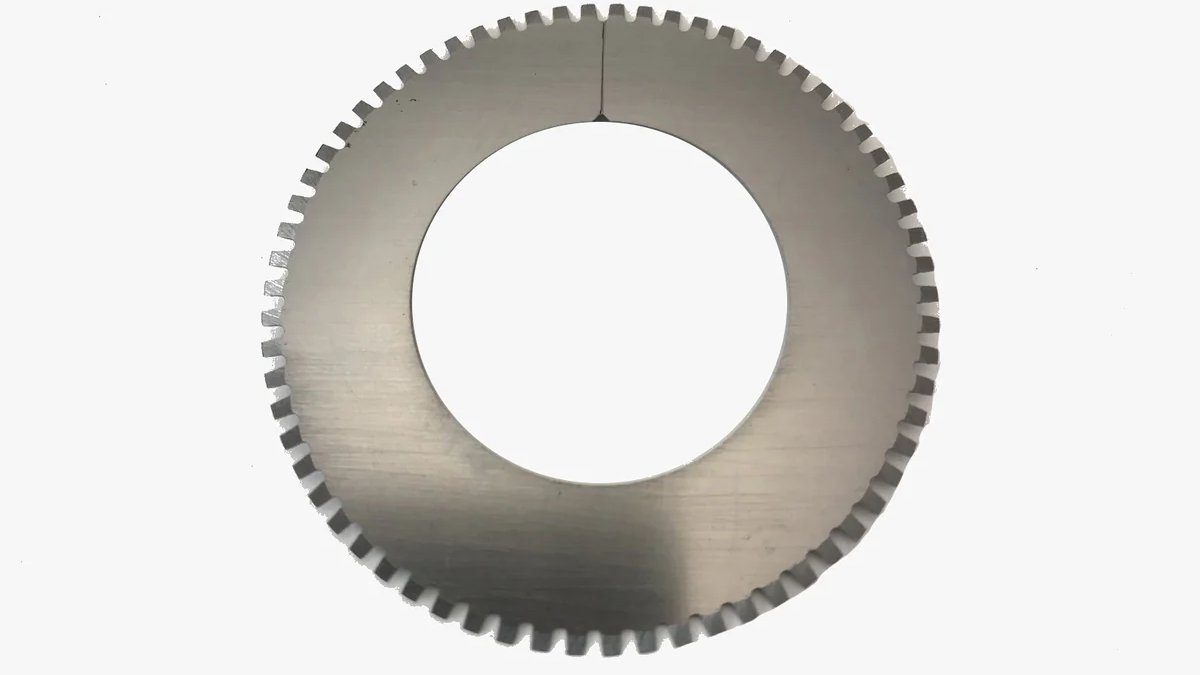
The final performance of the perforation is everything. Does it tear easily and cleanly? Is the hole shape consistent? This is where the physics of each blade type really shows its strengths and weaknesses.
The Look And Feel Of The Cut
A rotary perforating blade rolls across the material, creating a series of small, uniform cuts. This motion is very gentle. It minimizes material stress, so you get less tearing and cleaner, rounder holes. Think about opening a box of cookies with a tear strip. A smooth, easy tear is likely thanks to a rotary blade. It provides a better user experience, which reflects well on the product's quality.
Versatility In Action
Now let’s look at static blades. They act like a die-cutter or our "hole puncher" example. Because they can be made in nearly any shape, they offer incredible versatility. If you need a specific, non-circular hole shape or a complex pattern of perforations, a static blade is the only way to go. We worked with a medical device company in Germany that needed a very specific perforation pattern on a sterile package. A static blade was the perfect solution because we could design it to match their exact pattern, ensuring a perfect, reliable opening every time. This level of customization is a key strength of static systems.
Conclusion
Choosing between rotary and static blades depends on your goals. Balance speed, cost, and cut quality to find the perfect solution for your production line and boost your efficiency.
Understanding perforating blades is crucial for optimizing production efficiency and material handling. ↩
Understanding TCO helps in making informed decisions about blade investments and long-term savings. ↩
Understanding OEE can help in evaluating the impact of blade choices on production performance. ↩