Skip to content
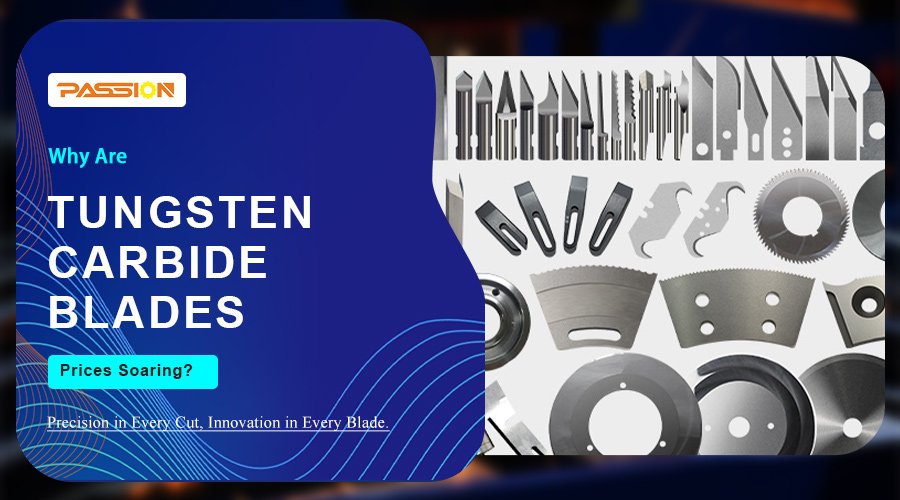
As we enter 2026, we find nearly all customers grappling with the same question: “Why are tungsten carbide tool prices still climbing?” As an industry insider, we are committed to providing you with the clearest, most up-to-date analysis.
If you’re feeling the cost pressure, it’s not your imagination. The core reason lies in the staggering surge in prices of its key raw material—tungsten carbide powder—since 2025. Prices have more than quadrupled compared to pre-2025 levels.
This is not merely market volatility but a structural transformation driven by multiple factors. Below are the three core reasons behind the current situation:

Reason One: Structural Tightening Of Global Tungsten Resources
It is an indisputable fact that China controls over 80% of the world’s tungsten ore supply. This has always been pivotal to the market landscape. Since 2025, driven by long-term environmental strategies and resource conservation considerations, China has implemented unprecedentedly strict controls on tungsten ore mining. The resulting production cuts have directly caused a sharp contraction in global raw material supply, setting the stage for price increases at the source.

Reason Two: Explosive Growth In Emerging Industry Demand
Simultaneously, global demand for tungsten is surging at an unprecedented pace. From the high-performance demands of electric vehicle batteries, to the aerospace sector’s craving for heat-resistant, high-strength materials, to the precision manufacturing industry’s pursuit of ultimate cutting tool performance—these high-growth sectors are fiercely competing for already limited tungsten resources. When more “buyers” enter the market while the “shelf” holds fewer goods, price increases become inevitable.

Reason Three: Geopolitical Tensions And Panic Stockpiling
Unstable geopolitical conditions and potential export control risks have introduced significant uncertainty into the market. Many forward-thinking international buyers, seeking to safeguard their supply chains, have abandoned the “just-in-time inventory” strategy. Instead, they are proactively stockpiling inventories far exceeding historical levels. While this precautionary “panic stockpiling” behavior is understandable, it has inadvertently amplified market demand, exacerbating the supply-demand imbalance.
Considering these three points, we must clearly recognize that the current elevated pricing of tungsten carbide represents not a temporary fluctuation but a profound structural shift in the market. The era of abundant, low-cost raw materials has passed, and a new, high-cost equilibrium in supply and demand is emerging.