Skip to content
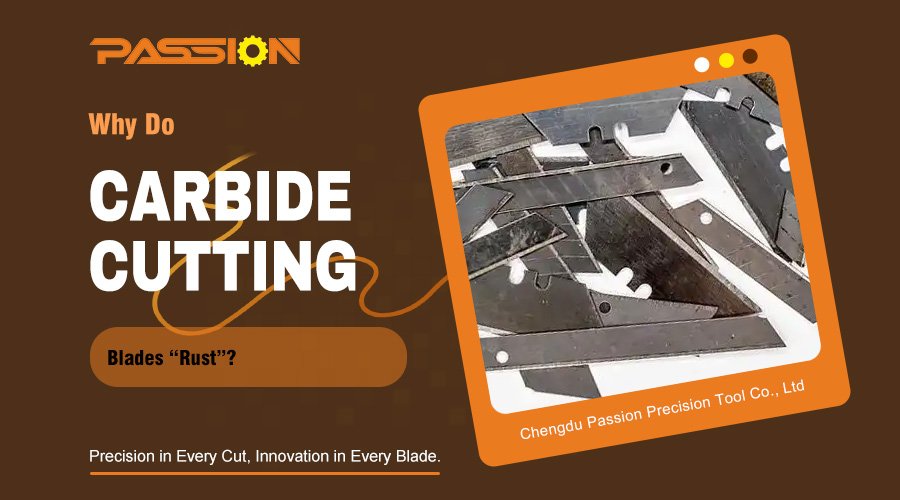
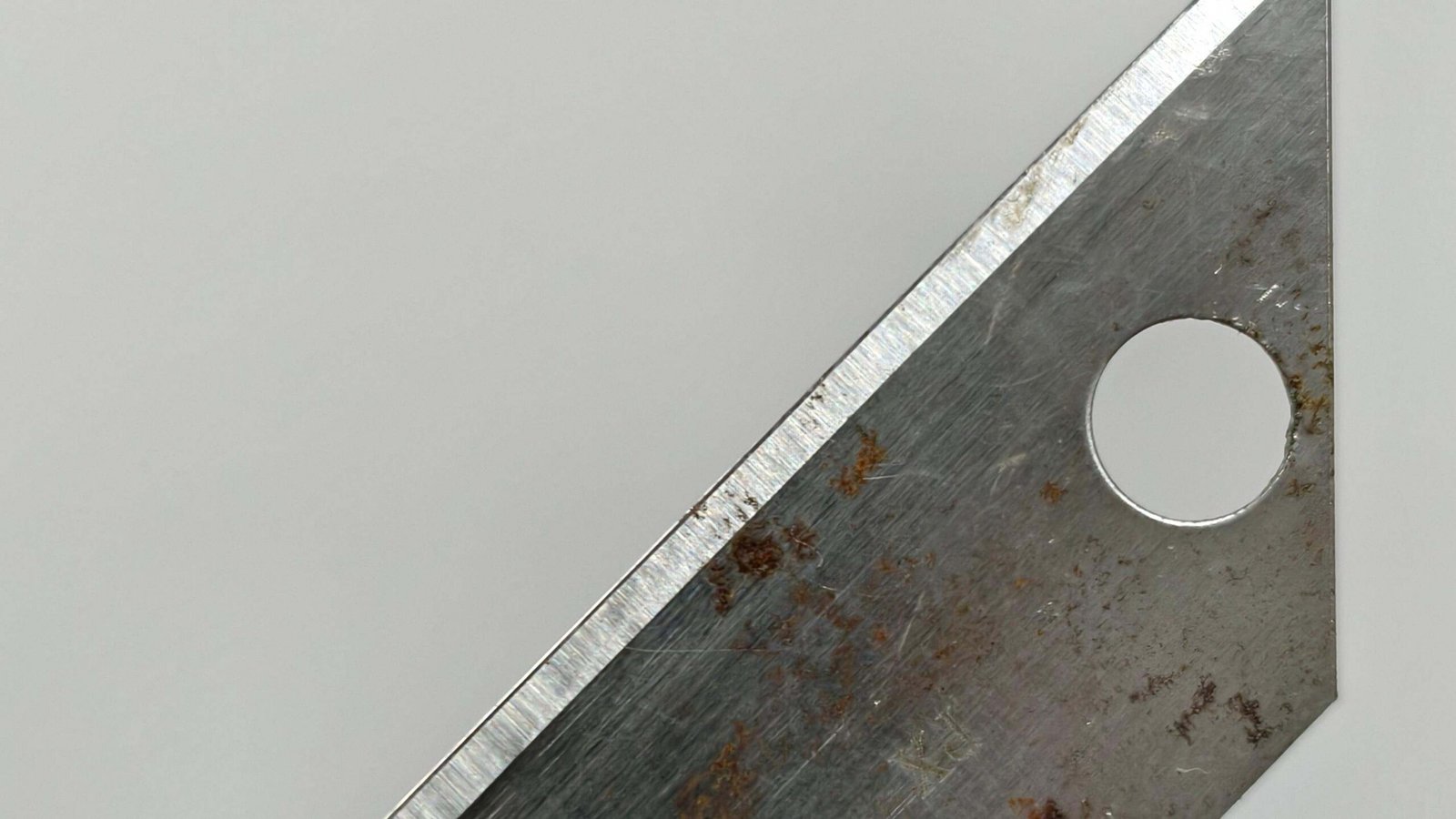
Seeing spots on your expensive carbide blades? This discoloration means they're losing life and money. I'll explain the real reason and how you can stop it from happening.
It's not rust. It's a process called binder phase corrosion1. Moisture and improper cutting fluids2 attack the cobalt binder3 holding the tungsten carbide4 together. This weakens the blade, making it brittle and causing it to fail much faster than it should.
This issue is more common than you might think, and I've seen it cause major headaches for many clients I work with. It looks like a small problem, but it can lead to big production delays and costs. Let's dig deeper into what's happening to your blades. More importantly, let's talk about what you can do about it. The details might surprise you.
What Is Really Happening When Your Carbide Blades 'Corrode'?
You see dark gray spots and might just assume it's normal wear. But something more destructive is happening inside your blade. It's a chemical reaction that is silently killing its performance.
Cemented carbide is a composite material, a mix of very hard tungsten carbide particles and a softer cobalt metal binder. The cobalt acts like cement. When it is exposed to moisture or improper fluids, the cobalt corrodes, losing its grip on the tungsten carbide particles.
When we talk about carbide blades, it's important to remember they aren't a single block of metal. Think of it like building a strong brick wall. The tungsten carbide particles are the incredibly hard bricks, but they need something to hold them together. That's the job of the cobalt binder3, which acts as the cement. Cobalt is a strong metal, but it is more reactive than tungsten carbide4. It can react with water, oxygen, and chemicals, especially acidic or alkaline ones found in some cutting fluids. This reaction is what we call binder phase corrosion. It specifically targets the "cement" in your blade, starting a process that leads to failure.
The Makeup Of Your Carbide Blade
Let's quickly compare what people see ("rust") with what is actually happening. This helps understand why the treatment is different.
| Feature | Common Rust (On Steel) | Binder Phase Corrosion (On Carbide) |
|---|---|---|
| Appearance | Reddish-brown, flaky | Dark gray or black spots |
| Cause | Iron reacting with oxygen/water | Cobalt reacting with moisture/fluids |
| Material Affected | The base iron or steel | The cobalt binder |
| Result | Material loss, pitting | Weakens the entire structure |
What Are The Consequences Of Cobalt Corrosion On Your Blades?
A dull edge seems like normal wear that happens over time. But if corrosion is the cause, you're facing more than just a worn blade. You are facing unexpected failures and production halts.
When the cobalt binder3 corrodes away, it can no longer support the hard tungsten carbide particles. This leads to microscopic chipping along the cutting edge. The blade becomes brittle and dull, accelerating blade failure much faster than normal mechanical wear ever could.
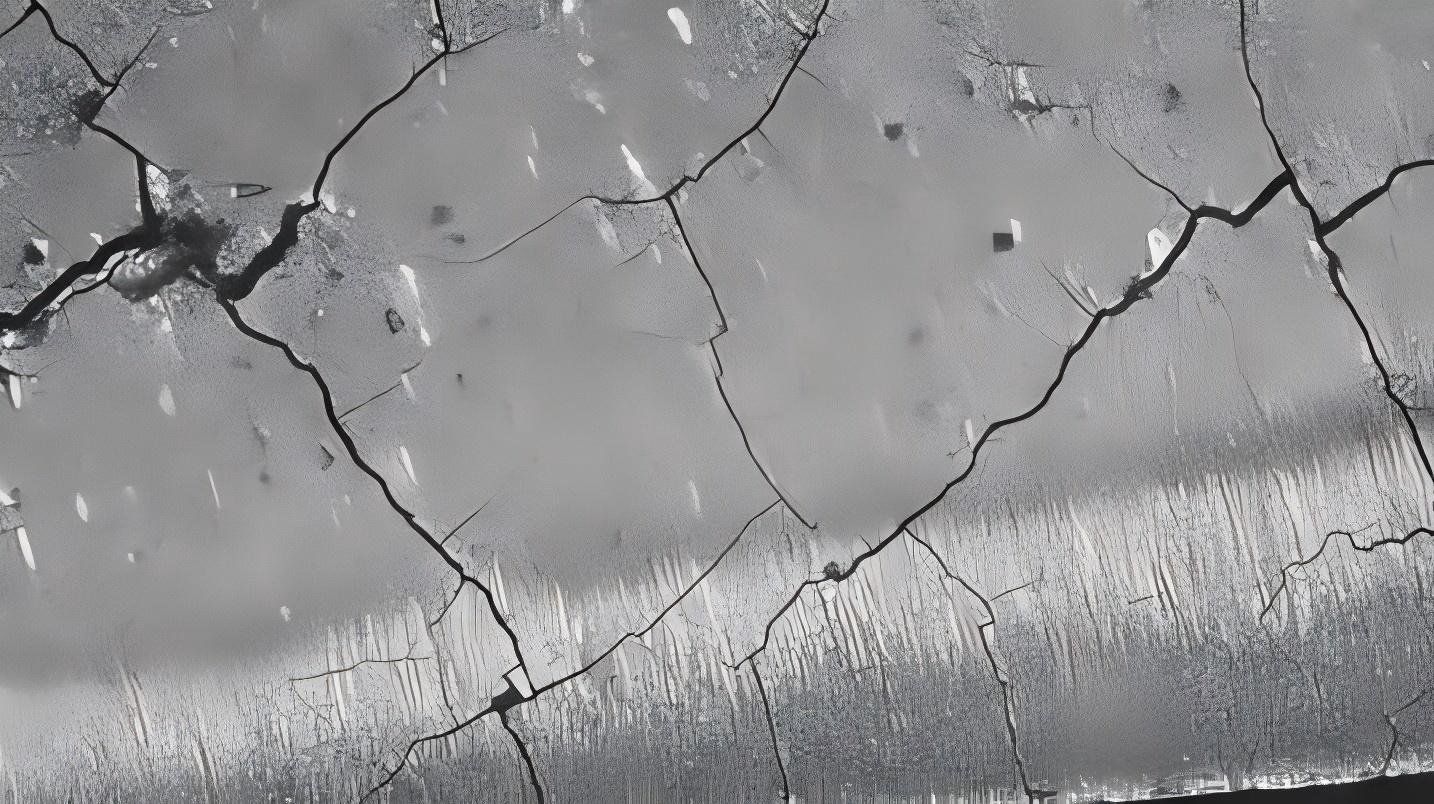
The loss of the cobalt binder is like the cement washing out from between the bricks of a wall. The bricks (tungsten carbide particles) are still there and they are still hard, but without the cement holding them in place, they start to fall out one by one. On a cutting edge, this results in what we call micro-chipping5. You may not even see these tiny chips with your naked eye, but they make the cutting edge dull and weak. A dull blade requires more force to cut, creates more heat, and produces a poor finish on your material. This corrosive wear is often more destructive than the wear from regular cutting because it weakens the blade from the inside out.
A Real-World Example: The Packaging Plant Problem
I remember working with a packaging company in Mexico. They used our slitter blades to cut large amounts of cardboard. They called me because their blades were dulling incredibly fast and had developed dark, spotty patterns. They initially thought the blade quality was the issue. Later in the discussion, it was discovered that their cutting fluid mixture had a very high water content and was not being maintained properly. This created a slightly acidic environment that was perfect for cobalt corrosion. The cobalt binder3 was being eaten away, causing the cutting edge to crumble. We helped them switch to a better-maintained, oil-based fluid. The change was immediate. Their blade life more than doubled, which saved them thousands of dollars in replacement costs and reduced their machine downtime.
How Can You Prevent And Fix This 'Corrosion' On Your Blades?
You've found blades with signs of corrosion. Is it too late to save them? Not always. You can often repair the damage and, more importantly, take simple steps to prevent it.
Prevention is always the best strategy: keep blades dry, clean, and use the right type of cutting fluids2. For repairs, gentle mechanical polishing or ultrasonic cleaning6 can remove the corrosion. After cleaning, you must immediately apply a rust-preventive oil and store the blade properly.
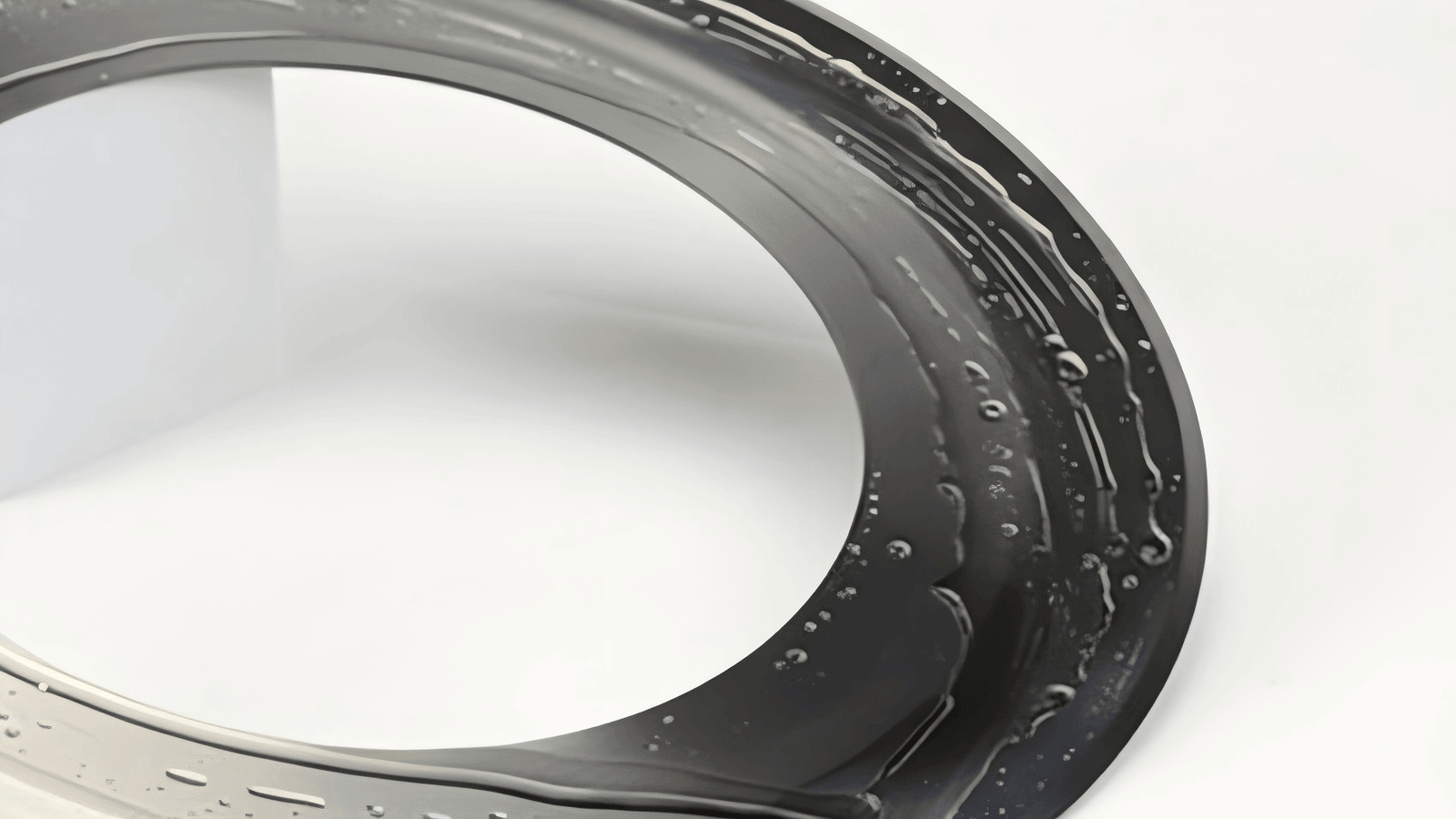
Protecting your carbide blades from binder corrosion is all about creating the right environment for them. It comes down to proactive maintenance and proper handling. A little care goes a long way in extending the life of these valuable blades. If you already see signs of corrosion, acting quickly and carefully can often restore the blade's surface. Let's break down the best practices for both prevention and repair.
Proactive Prevention Strategies
The best way to fight corrosion is to not let it start. This means controlling the blade's environment.
- Maintain Dryness: Moisture is the number one enemy. Always store your carbide blades in a dry, temperature-controlled environment.
- Keep It Clean: Clean your blades after each use to remove any leftover material or fluid residue that could trap moisture.
- Manage Cutting Fluids: This is critical. Always use high-quality cutting fluids2 recommended for carbide. Regularly check and maintain the fluid's concentration and pH level to ensure it doesn't become corrosive.
Safe Repair And Restoration
If you do find corrosion, do not use aggressive methods.
- Gentle Cleaning: Use a fine mechanical polish, ultrasonic cleaning6, or a mild rust-preventive fluid.
- Avoid Damage: Never use strong acids or coarse abrasives like rough grinding wheels. These will remove the corroded cobalt but also strip away healthy binder material, permanently damaging the blade surface.
- Protect Immediately: After cleaning, the blade surface is exposed. You must apply a rust-preventive oil or a dry film preservative right away before storing it.
Conclusion
It's cobalt corrosion, not rust, that causes those dark spots. This process weakens your blades from the inside out. Proper fluid management and dry storage are key to preventing it.
Understanding binder phase corrosion is crucial for maintaining the longevity of your carbide blades. ↩
Discover the best cutting fluids to prevent corrosion and extend the life of your carbide blades. ↩
Learn how the cobalt binder affects the performance and durability of your carbide blades. ↩
Explore the unique properties of tungsten carbide that make it a preferred material for cutting blades. ↩
Learn about micro-chipping and how it impacts the performance of your cutting blades. ↩
Discover how ultrasonic cleaning can effectively remove corrosion without damaging your blades. ↩