Skip to content
Struggling with rough cuts and wasted material? Poor blade alignment might be causing hidden damage. Let's fix this by understanding the importance of blade concentricity1.
High concentricity means the blade's cutting edge is perfectly aligned with its center of rotation. This ensures a balanced, stable spin for clean, precise cuts. It prevents material tearing, reduces machine vibration and wear, and significantly extends the blade's lifespan, saving you costs.
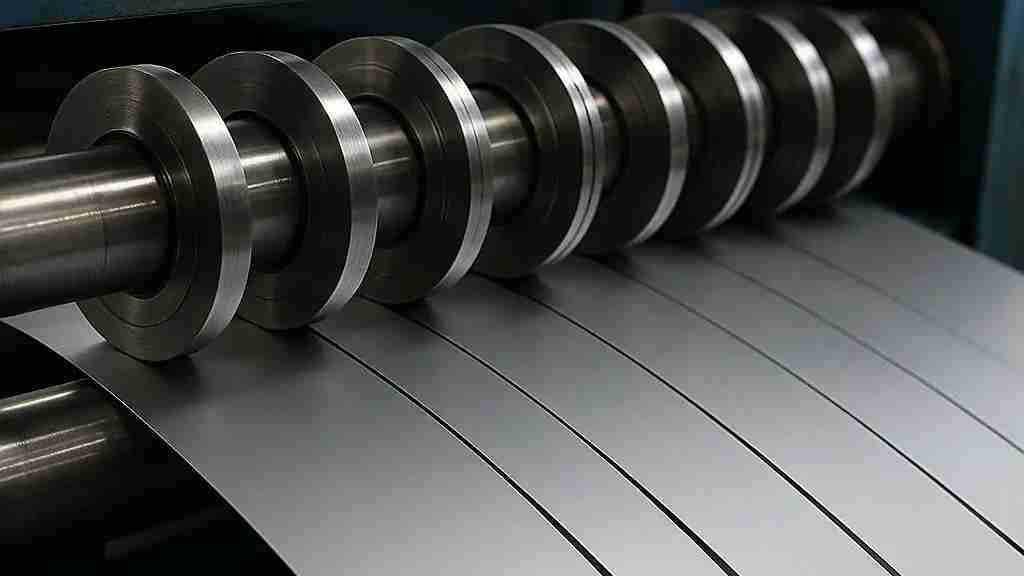
We see concentricity not just as a technical specification, but as a fundamental requirement for performance. It affects so much more than just the cut itself. Let's break down exactly how this single factor impacts your product quality, your machine's health, and your bottom line.
How Does Poor Concentricity Impact Your Cutting Quality?
Seeing inconsistent cuts, burrs, or even torn material? These quality issues often trace back to a simple, yet critical, flaw: poor blade concentricity. Let's examine the direct impact.
When a blade lacks good concentricity, it wobbles as it spins. This uneven motion causes inconsistent cutting pressure. The results are poor-quality slits, including rough edges, inaccurate widths, and even torn material. It directly compromises the quality of your final product.

In my experience, quality control issues are often the first sign of a concentricity problem. A client of mine, from a packaging firm in Germany, was facing a high rate of rejection for his plastic film products. The slit edges were fuzzy and the widths varied just enough to fail inspections. He initially blamed the material. However, after we analyzed his setup, we found the issue was a batch of blades with a concentricity deviation2 of just a few microns. For his high-speed slitter, this tiny "wobble" was magnified, causing the blade to strike the material at an inconsistent angle with every rotation. This created the very defects he was seeing.
The Link Between Wobble And Defects
The physics are simple. A blade spinning off-center creates an uneven cutting path. This leads to predictable problems depending on your material and industry. For high-precision sectors like lithium battery electrode manufacturing or optical film slitting, perfect concentricity is non-negotiable.
| Concentricity Deviation | Common Resulting Defect |
|---|---|
| Low (1-5µm) | Minor edge burrs, slight width variation |
| Medium (5-15µm) | Noticeable rough edges, inconsistent tension |
| High (>15µm) | Material tearing, significant width deviation |
By switching to our precision blades with guaranteed high concentricity, he eliminated his quality issues almost overnight. It's a clear example of how investing in precision upfront saves much more in the long run by preventing waste and rejects.
Can Blade Concentricity Damage Your Slitting Machine?
Is your machine vibrating excessively or making unusual noises during operation? This could be a warning sign that your blade's concentricity is causing premature wear and potential failure.
Yes, absolutely. Poor concentricity creates imbalanced forces that cause constant vibration. This vibration travels from the blade to the shaft, bearings, and tool holder. Over time, this stress leads to accelerated wear on critical machine components, resulting in costly downtime and repairs.
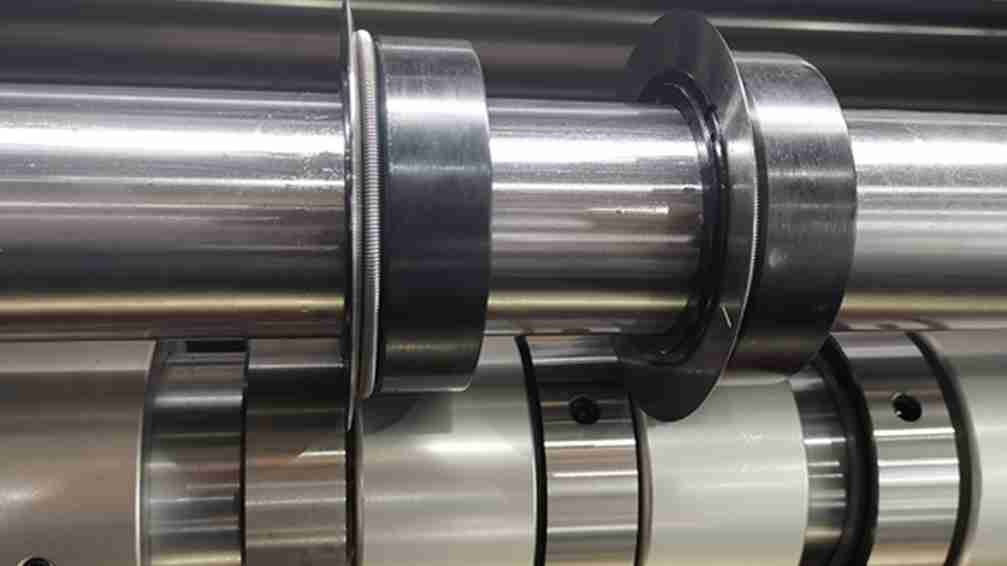
Think of it like driving a car with an unbalanced tire. At low speeds, you might not notice it. But at high speeds, the whole car starts to shake. The same principle applies to your slitting machine, which operates at very high RPMs. An off-center blade creates a powerful centrifugal force that changes direction with every rotation. This constant hammering puts immense stress on the machine's mechanical parts. I remembered a client case that the maintenance manager was frustrated by having to replace the main shaft bearings every six months, a job that should only be needed every few years. The culprit was their use of low-cost blades with poor concentricity. The constant vibration was simply shaking the bearings apart.
The Chain Reaction Of Wear
This vibration doesn't just damage one part; it creates a cascade of problems throughout the machine, shortening its operational life and increasing maintenance costs.
| Affected Component | Effect of Vibration from Poor Concentricity |
|---|---|
| Main Shaft Bearings | Accelerated wear, leading to premature failure. |
| Tool Holder/Knife Block | Fatigue and potential fractures over time. |
| Machine Frame | Stress on welds and structural integrity. |
| Drive Motors | Increased load and potential for overheating. |
By switching to dynamically balanced machine blades, the plant not only improved its cut quality but also drastically reduced its maintenance schedule and extended the life of its equipment. Protecting your machinery starts with choosing the right blade.
How Can You Ensure High Concentricity In Your Operations?
Want to get perfect cuts every time and protect your equipment? Just buying a good blade is not always enough. Achieving high concentricity requires precision from both the manufacturer and the operator.
Ensure high concentricity by first choosing blades made with precision CNC grinding and dynamic balancing3. Second, focus on proper installation. Check the shaft's straightness, use correct spacers, and ensure a snug, clean fit to maintain the blade's inherent precision on the machine.
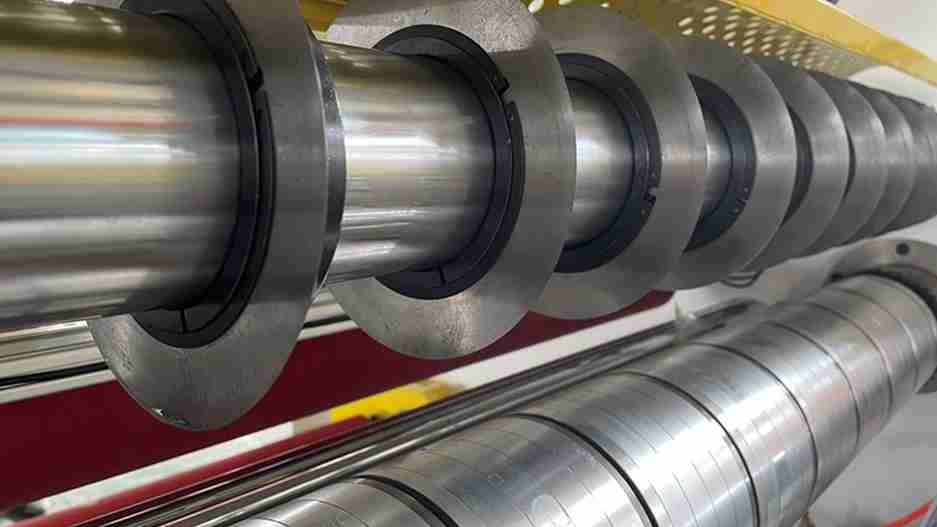
This is a two-part responsibility. As a manufacturer, the job is to deliver a perfectly engineered blade. But if that blade is installed improperly, its precision is lost. I often tell my customers that a high-precision blade on a poorly maintained shaft will perform just as badly as a low-quality blade. Both sides of the equation must be managed to get the best results. We build precision into the blade; your team must maintain that precision during setup.
The Manufacturer's Responsibility
Our commitment is to create blades with near-perfect balance and alignment. This is achieved through advanced manufacturing processes.
- Precision Grinding: We use computer-controlled (CNC) machines to ensure the blade's inner and outer diameters are perfectly concentric.
- Dynamic Balancing: Before shipping, each blade is tested to verify it rotates smoothly at high speeds without generating vibration.
Your Role In Installation
Your team's handling and installation are just as critical. A perfect blade can be compromised by a flawed setup.
| Installation Checklist | Purpose |
|---|---|
| Clean the Shaft & Spacers | Removes debris that can cause the blade to sit unevenly. |
| Inspect the Shaft | Check for any bending or wear that could introduce wobble. |
| Use Precision Spacers | Ensures blades are held firmly and parallel to each other. |
| Tighten Correctly | Apply even torque to the locking nut to avoid distorting the setup. |
By following these steps, you ensure that the concentricity we engineer into our blades translates directly into superior performance on your production line.
Conclusion
Blade concentricity is not a minor detail. It is fundamental to achieving high-quality cuts, protecting your equipment, and maximizing efficiency. Prioritizing it pays off in the long run.