Skip to content
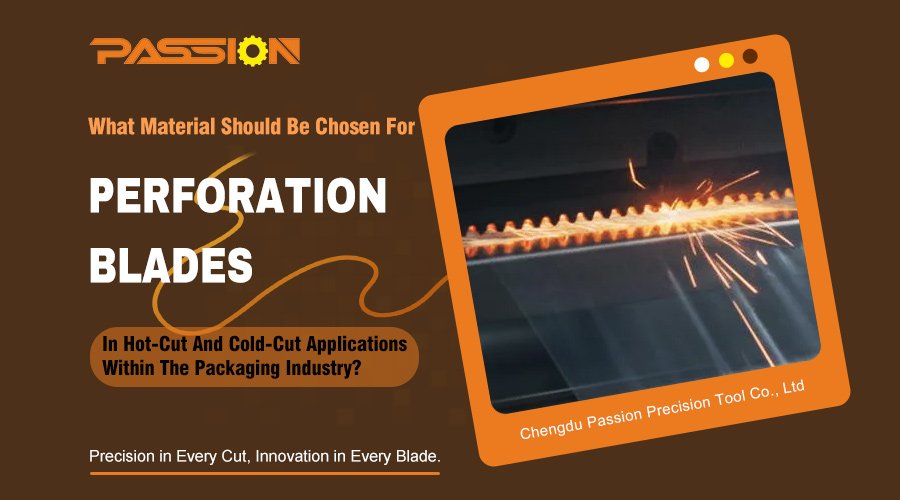
Your perforation blades are failing too quickly. This causes production delays and wastes material. You need a reliable solution that matches your specific cutting application to stop these constant interruptions.
For hot-cut applications, choose heat-resistant materials like High-Speed Steel (HSS)1 or tool steels (D2, SKD11)2. For cold-cut applications, corrosion-resistant stainless steels like the 420 or 440 series are best. The operating temperature is the most important factor in making the right choice.
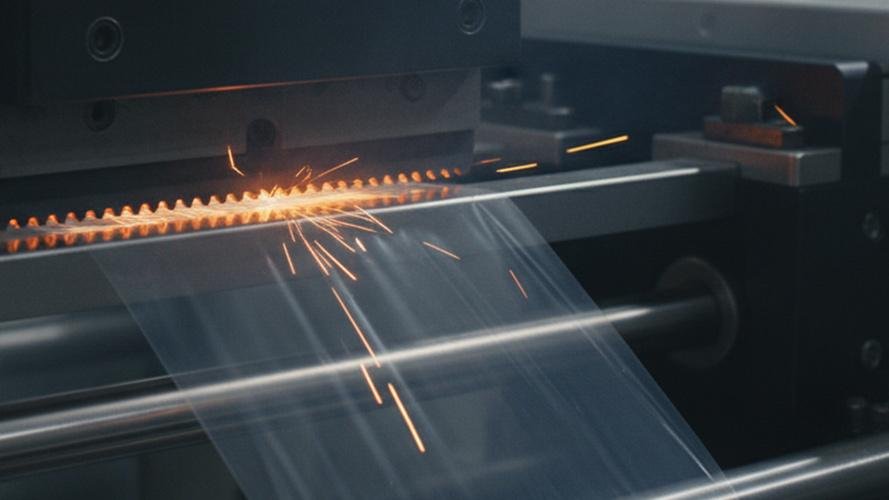
Choosing the right blade material seems simple, but it is one of the most critical decisions for a packaging line. A blade is not just a piece of metal. It is a key part of your production process. Getting the material right means better efficiency, higher quality products, and fewer headaches for your team. Let's look at some real-world examples to understand this better.
Why Does Stainless Steel Fail In Hot-Cut Applications?
You bought a stainless steel blade because you heard it was durable. But after a few hours on your hot-sealing line, it became dull and chipped. Now your seals are messy and inconsistent.
Stainless steels like the 420 and 440 series are excellent for many jobs, but they lose their hardness at high temperatures. This property is called "red hardness3." A weak red hardness causes the blade edge to soften and fail quickly when cutting hot materials like plastic films.
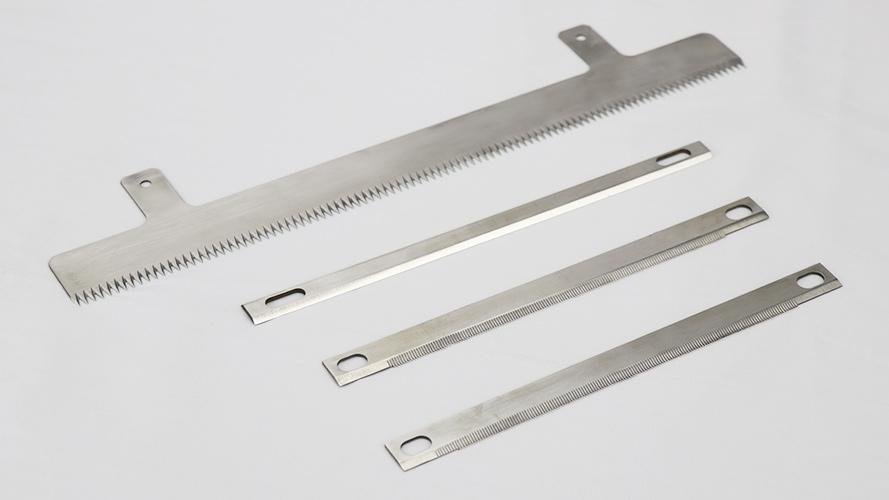
I remember a case from a client in Germany. He runs a large snack food packaging facility. His problem was with the blades on his form-fill-seal machines, which operated at around 300°C. He was using standard 440C stainless steel blades, and they were failing within a single shift. The edges were rolling over and becoming dull, which resulted in poor, uneven seals on the bags. This not only looked bad but also compromised the product's freshness.
During our call, I asked him about the operating temperature and cutting speed4. It was clear the 440C material couldn't handle the heat. It was softening almost immediately. I explained the concept of red hardness and why a different material was needed. We recommended he switch to one of our blades made from SKH series High-Speed Steel (HSS).
Material Performance Under Heat
| Material | Key Property | Performance at 300°C | Ideal Application |
|---|---|---|---|
| 440C Stainless Steel | Corrosion Resistance | Loses hardness, edge dulls | Cold-cut, moist environments |
| High-Speed Steel (HSS) | Red Hardness | Maintains hardness, sharp edge | Hot-cut, high-temperature |
The result was immediate. The HSS blades lasted for weeks instead of hours. Klaus saw a huge reduction in downtime and his seal quality became perfectly consistent. It was a simple switch that solved a major production bottleneck.
When Is Corrosion Resistance More Important Than Heat Resistance For Blades?
Your blades are showing rust spots on your cold packaging line. This can contaminate your products and lead to failed quality checks. You need a material that can handle moisture without failing.
In cold-cut applications or humid environments, rust is the biggest threat. Heat isn't the problem here, so you don't need high red hardness. Instead, you need a material like 420 or 440 series stainless steel that resists corrosion and keeps a clean, sharp cutting edge.

A great example of this comes from a client in Brazil, who I'll call Isabella. Her company packages frozen vegetables. Her facility was modern and efficient, but she had a persistent issue with her blades. The packaging area was naturally cold and had a lot of condensation. The standard tool steel blades she was using were developing surface rust very quickly. This was a serious food safety5 concern, and her team had to spend too much time cleaning and replacing the blades.
She reached out to us looking for a better solution. I knew right away that this was a material mismatch for her environment. We didn't need to worry about heat. We needed to fight moisture. I recommended she test our 440B martensitic stainless steel blades. This material offers a great balance of hardness for good edge retention and excellent corrosion resistance6.
Blade Selection For Cold Environments
| Material Property | Importance in Cold-Cut | Recommended Material | Reason |
|---|---|---|---|
| Corrosion Resistance | High | 420 / 440 Stainless Steel | Prevents rust from moisture/condensation |
| Toughness | Medium | Martensitic Stainless Steel | Resists chipping during continuous cutting |
| Red Hardness | Low | Not Applicable | Operating temperatures are low |
Isabella implemented the change, and the results were exactly what she needed. The rusting problem was completely eliminated. Her blades stayed clean and sharp for much longer, which increased the line’s uptime and ensured her products were safe. It showed that understanding the production environment is just as important as understanding the cutting action itself.
How Do Advanced Materials Like Powdered Steel Fit Into The Equation?
Your standard high-speed steel blades are good, but they still wear out too fast on your most demanding lines. The constant blade changes are hurting your output goals and increasing your costs.
For the most extreme cutting jobs, you need to look beyond conventional steels. Powdered high-speed steel (PM-HSS)7 offers a big step up in performance. It is made differently, resulting in a stronger, more uniform structure. This gives it amazing wear resistance8 and toughness for high-speed, high-volume cutting.
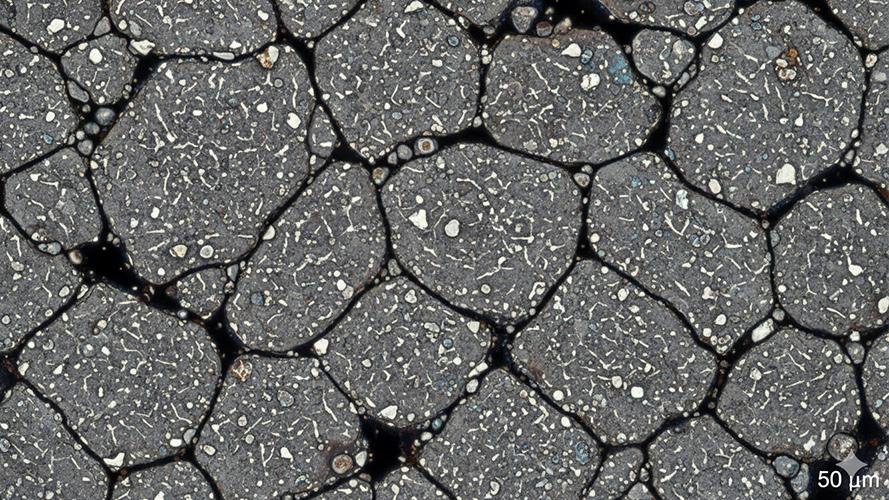
I worked with a customer in the United States, who faced this exact challenge. His company packaged abrasive powders in thick composite bags. The line ran 24/7 at very high speeds, and the process was hot-cut. He was already using high-quality D2 tool steel blades, but the abrasive nature of the product was wearing them down in just a few days. The downtime for blade swaps was becoming a significant drain on his overall equipment effectiveness (OEE).
He was skeptical that any blade could do better. I explained how powdered steel is made and why its uniform micro-structure makes it so much more resistant to wear. We sent him a set of our PM-HSS blades for a trial. The initial cost was higher than the D2 blades, but I was confident the total cost of ownership would be much lower.
Comparing High-Performance Blade Materials
| Material | Relative Wear Resistance | Relative Toughness | Best For |
|---|---|---|---|
| D2 Tool Steel | High | Good | General hot-cut, moderate abrasion |
| Conventional HSS | Very High | Good | High-speed, high-temperature cutting |
| Powdered HSS (PM-HSS) | Highest | Very Good | Extreme speed, highly abrasive materials |
The trial was a huge success. The PM-HSS blades lasted more than three times longer than his old D2 blades. The reduction in downtime and labor for blade changes more than paid for the higher initial price. He saw that investing in the right advanced material was a strategic decision that directly boosted his plant's productivity and profitability.
Conclusion
Choosing the right blade material isn't just a technical detail. It directly impacts your production line's efficiency, quality, and cost. Understand your application—hot or cold—to make the best choice.
Explore the advantages of HSS in cutting applications to enhance your production efficiency. ↩
Learn about the applications of D2 and SKD11 tool steels to optimize your cutting processes. ↩
Gain insights into red hardness and its significance in selecting cutting tools for high temperatures. ↩
Explore the relationship between cutting speed and material choice for optimal performance. ↩
Learn how the right blade material can ensure food safety and compliance in packaging. ↩
Learn why corrosion resistance is vital for maintaining blade integrity in cold environments. ↩
Discover how PM-HSS can enhance performance and reduce downtime in demanding cutting tasks. ↩
Understand the importance of wear resistance in prolonging the life of your cutting tools. ↩