Skip to content

Struggling with messy, crushed cardboard tube cuts? This waste costs you time and money. Using the right slitter blade techniques is the key to achieving a perfect finish.
To cut cardboard tubes effectively, use a sharp and appropriate type of slitter blade. Ensure the tube is stable, apply even and gradual pressure, and match the blade speed with the tube's rotation. This method prevents crushing, reduces dust, and guarantees a clean cut.
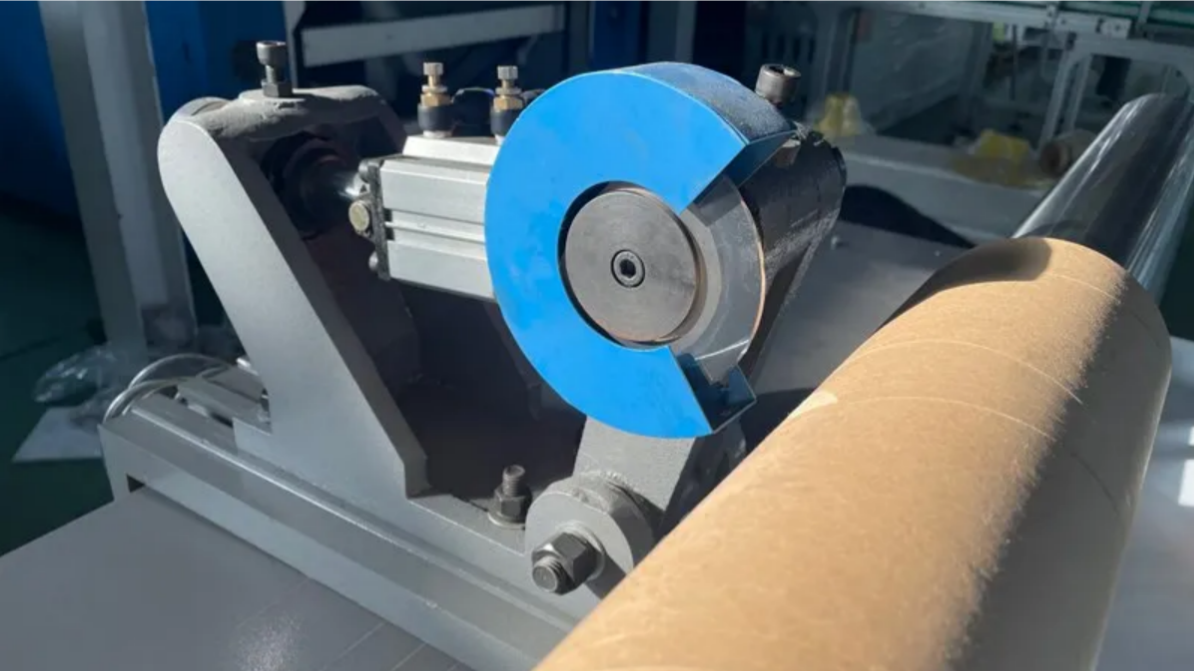
Getting a clean cut is about more than just having a sharp blade. The entire process matters, from blade selection to final setup. I have seen many companies struggle with this part of their production. The good news is that the solution is often straightforward once you understand the key details. Let's break down the steps to help you master it and improve your cutting quality.
How Do You Choose The Right Slitter Blade For Cardboard Tubes?
Are you using the wrong blade for your cardboard tubes? This mistake often leads to poor cuts and causes the blade to wear out too quickly. Selecting the right blade is the first step to perfection.
Choose a blade based on the tube's thickness and density. For standard tubes, High-Speed Steel (HSS) is a good choice. For thicker or high-density tubes, a Tungsten Carbide blade is better because it's harder, lasts much longer, and ensures superior cut quality.
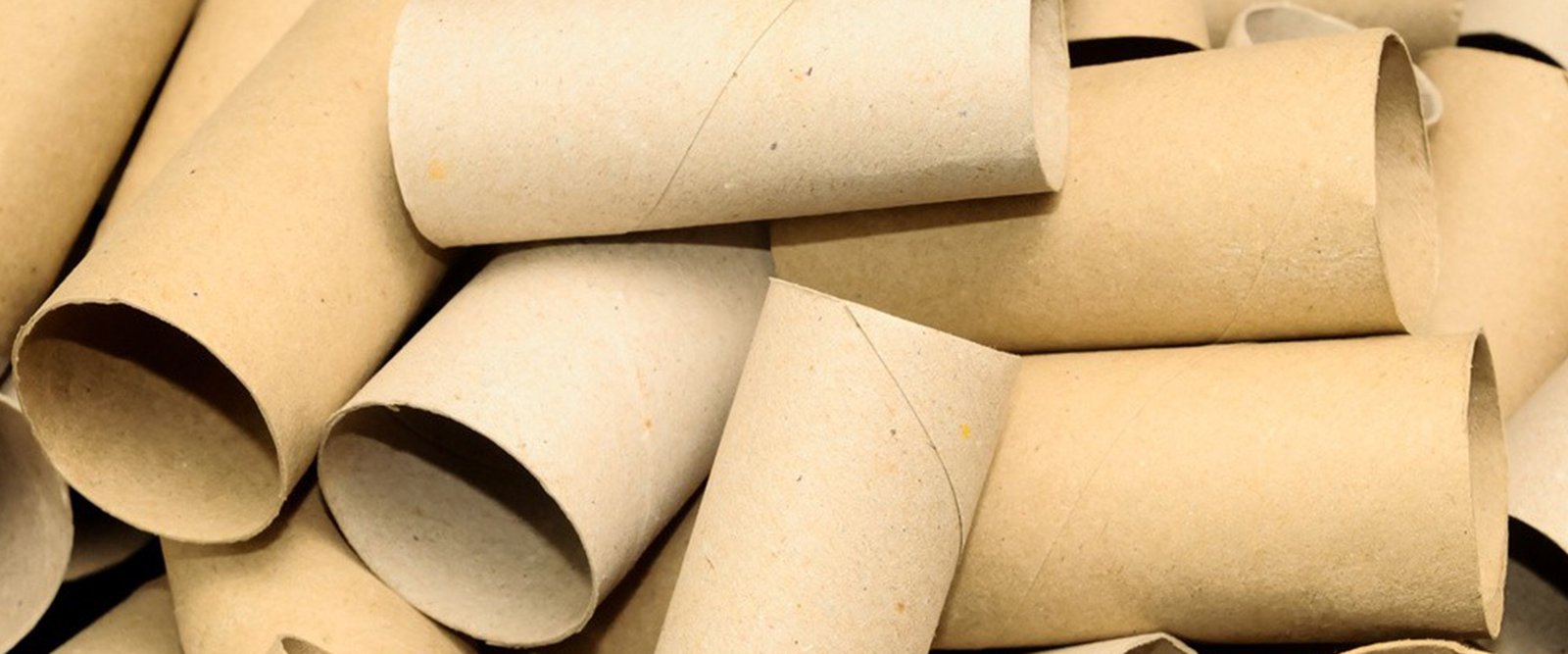
The choice of blade material directly impacts your operational efficiency and final product quality. I often explain to my clients that the blade is not just a tool, but an investment. A client in Poland, a packaging company, was using standard HSS blades for thick, recycled cardboard tubes. They were frustrated because they had to replace their blades almost weekly, which caused a lot of downtime. After we analyzed their process, I recommended they switch to our PASSION Tungsten Carbide blades. The difference was immediate. Because Tungsten Carbide is so much harder and more resistant to wear, their blade life extended from one week to several months. This simple change drastically reduced their costs and improved their production flow.
Blade Material Is Key
The material of the blade determines its hardness, toughness, and wear resistance. Here is a simple breakdown to help you choose.
| Blade Material | Best For | Key Advantage |
|---|---|---|
| High-Speed Steel (HSS) | Standard, thin-walled cardboard tubes | Cost-effective and tough |
| Tungsten Carbide | Thick, dense, or recycled cardboard tubes | Extreme hardness and very long lifespan |
| Ceramic | High-speed, abrasive applications | Excellent wear resistance at high temps |
Blade Geometry Also Matters
Besides material, the angle of the blade's edge (the bevel) is important. A sharper angle makes a cleaner cut but may dull faster. A blunter angle is more durable but can increase pressure on the tube. Finding the right balance is crucial for your specific application.
What Are The Best Practices For Setting Up The Cutting Process?
Are your machine settings causing crushed or frayed tube ends? Incorrect pressure and speed can ruin your final product and create unnecessary waste. Mastering these settings will give you perfect cuts every time.
The best practice is to use gradual, not forceful, pressure. The blade should shear the material, not crush it. You must also synchronize the blade's rotational speed with the tube's feed rate. This prevents tearing and ensures a smooth, clean cut edge.
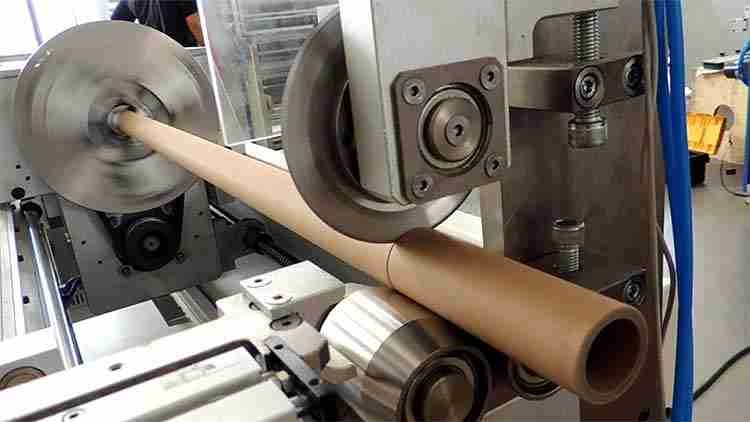
The concept of "shearing versus crushing" is the most common point of failure I see. Many operators think more force equals a better cut, but the opposite is true for cardboard tubes. At our client, this was their second major issue. Their operators had the pressure set way too high to compensate for their rapidly dulling HSS blades. This immense force was flattening the tube ends before the cut was even complete.
I explained that a sharp blade needs very little pressure to work. It should slice through the cardboard fibers cleanly in a continuous shearing motion as the tube rotates. We recalibrated their machines to apply just enough pressure for the new Tungsten Carbide blade to do its job. The results were immediate: no more crushed tube ends. They also saw a huge reduction in paper dust, which made the workplace cleaner and safer.
Finding The Sweet Spot
Synchronizing the speeds and finding the right pressure is critical. Here’s a quick guide to troubleshooting common issues.
| Problem | Likely Cause(s) | Solution(s) |
|---|---|---|
| Crushed Tube Edge | Too much pressure; dull blade | Reduce pressure; sharpen or replace the blade |
| Frayed or Rough Edge | Blade speed too high; dull blade; wrong angle | Synchronize speeds; check blade sharpness and geometry |
| Spiral or Uneven Cut | Unstable tube; mismatched speeds | Secure the tube with a proper clamp; sync speeds |
| Excessive Dust | Dull blade; too much pressure | Sharpen or replace the blade; reduce cutting force |
By paying close attention to these settings, you turn cutting from a brute-force action into a precise, efficient process.
How Can You Maintain Your Blade For Consistent Performance?
Are your cuts looking great one day and terrible the next? A dull or poorly maintained blade is likely the culprit, causing defects, dust, and unnecessary machine strain. A simple maintenance routine keeps your performance high.
Maintain your blade with a regular inspection schedule. Check for dullness, chips, or residue buildup. Dull blades should be professionally sharpened or replaced immediately. Keeping blades clean and sharp prevents most cutting issues and extends equipment life.
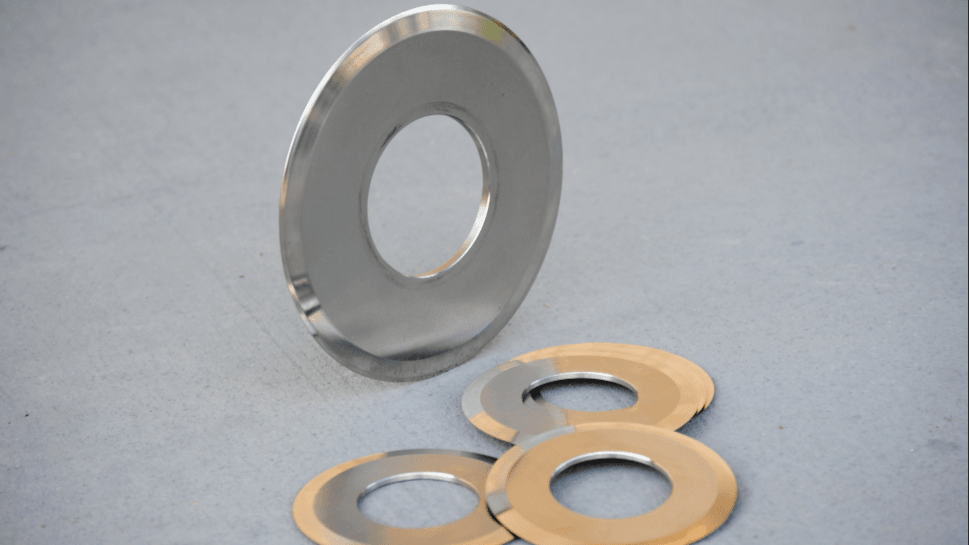
A blade is a consumable part, but its life can be maximized with proper care. Neglecting blade maintenance is one of the most expensive mistakes a company can make. It not only leads to product waste but can also cause damage to the cutting machine itself. For my client, implementing a maintenance plan was the final piece of the puzzle. Their operators were not trained to identify a dulling blade. They would only notice a problem when a batch of tubes was already ruined.
We worked with their team to create a simple daily checklist. This empowered the operators to become the first line of defense for quality control. They learned to spot the early signs of a dulling blade—like a slight increase in dust or the need to add a little more pressure. This proactive approach allowed them to schedule blade changes or sharpening before quality suffered, saving them from significant downtime and material loss.
A Simple Blade Maintenance Checklist
You can implement a similar system in your facility. Here’s a basic schedule to get you started.
| Frequency | Task | Notes |
|---|---|---|
| Daily | Visual Inspection | Look for obvious chips, cracks, or heavy residue buildup. |
| Weekly | Detailed Edge Check | Carefully check blade edge for dullness or microscopic nicks. |
| Weekly | Clean the Blade | Remove any glue or fiber residue that has accumulated. |
| As Needed | Sharpen or Replace | When cuts are no longer clean or more pressure is needed. |
Consistent maintenance is not a cost; it's a habit that pays for itself through reliable quality and machine longevity.
Conclusion
Mastering cardboard tube cutting comes down to using the right blade, correct settings, and regular maintenance. Following these steps will ensure you get precise, clean cuts every single time.