Skip to content
Tobacco Machinery Spare Parts
PASSION supplies high-quality cigarette-making machine spare parts—from garnish shims and tobacco tongue pieces to tear tape knives and glue nozzles—all precision-engineered to fit the most popular machine brands on the market. Choose PASSION to minimize downtime and keep your production line running at peak efficiency.
PASSION Offers Tobacco Machinery Spare Parts
As a company with our own factories, PASSION specializes in manufacturing tobacco machinery spare parts that meet industry standards. Our product range covers key processes including making, packing, and filter-rod forming, compatible with major equipment like MOLINS, HAUNI, FOCKE, and GD to provide you with a one-stop parts supply.


Some Tobacco Machinery Spare Parts on Display
We focus on producing spare parts that balance performance with cost-effectiveness. Below is a selection of our products, each subjected to rigorous quality inspection, designed to help you maintain stable equipment operation. Inquiries are welcome at any time.


Let us know your spare parts needs
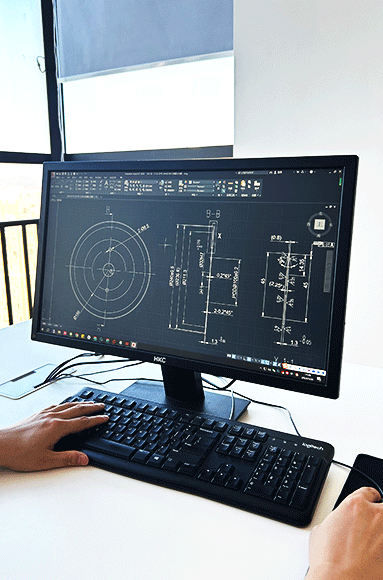
Whether you require standard part replacements or custom non-standard components, we can provide support. Send us your requirements (such as part numbers, drawings, or samples), and the PASSION team will provide you with a formal quotation and technical communication.
Types of Tobacco Machinery Spare Parts
Learning about high-performance replacement parts that cover the entire tobacco production process—including cigarettes, packaging, and filter rods—will help you quickly find the right parts, thereby minimizing downtime and maintaining optimal production efficiency.
No.1
Maker Machine Spare Parts
Compatible with HAUNI PROTOS, GD, PASSIM, SASIB, MK8/MK9/MK95, YJ series, and other models
Tobacco Forming & Transfer Components
| Part Type | Function Description |
| Garniture Roller | Rolls within the garniture assembly to guide and compact tobacco shreds, forming the tobacco rod. |
| Tobacco Hopper / Trumpet | A funnel-shaped component that gathers loose tobacco from the chimney and smoothly guides it towards the tobacco tongue. |
| Tobacco Tongue Piece | Precisely controls the tobacco flow into the forming channel and provides initial shaping to the tobacco stream. |
| Tobacco Plow / Scraper | Accurately separates and levels the tobacco stream in the channel to ensure uniform rod density. |
| Suction Tape | A flexible, porous conveyor belt that uses negative pressure to hold and transport cigarette paper at high speed. A key consumable part for cigarette rolling. |
| Garniture Shim / Spacer | Used for the precise micro-adjustment and positioning of garniture components, ensuring accurate clearance between parts. |
| Suction Chamber | A precisely machined chamber that creates the negative pressure (suction) required for the suction tape to hold the tobacco stream. |
Paper Handling & Gluing Components
| Part Type | Function Description |
| Glue Nozzle | Applies a precise amount of adhesive onto the cigarette paper or tipping paper. |
| Glue Scraper | Scrapes excess adhesive from the application roller to control the thickness of the glue layer. |
| Glue Roller | Scoop the glue out of the glue pot and transfer it to the paper. |
| Gripper / Finger | Grasps, positions, and transfers cigarettes or filter rods during the high-speed operation of the machine. |
General Guiding & Fixing Components
| Part Type | Function Description |
| Guide Plate / Block | Provides precise guidance and support for moving components, requiring high wear resistance. |
| Guide Rail | An elongated guide used to support and direct sliding or rolling components. |
| Holder / Seat | Used to mount and secure blades, sensors, or other critical components. |
| Baffle | Used to block, separate, or redirect the path of materials such as tobacco shreds or finished cigarettes. |
No.2
Packer Machine Spare Parts
ñCompatible with GDX, FOCKE, BE, SASIB, and other models
| Part Type | Function Description |
| Inner Frame Cutter Knife | Die-cuts the U-shaped ‘inner frame’ from cardboard for the cigarette packet. |
| Tear Tape Knife | Cuts a U-shaped notch in the transparent overwrapping film to facilitate the tearing of the tear tape. |
| Creasing Wheel / Roller | Creates score lines (creases) on the carton blank to allow for precise folding and forming. |
| Folder / Folding Plough | Folds the cardboard blank or film along a predetermined path during the packaging process. |
| Heater Block / Sealing Jaw | Heats and presses the overwrapping film to create the final heat seal on packs or cartons. |
| Texturing Block | Creates a texture (knurling) on the surface of foil or inner liner paper to increase friction or for aesthetic purposes. |
No.3
Filter Maker Spare Parts
Compatible with KDF, AF-KDF, and other models
| Part Type | Function Description |
| Tow Processing Roller | Stretches, combs, and guides the cellulose acetate tow. |
| Garniture for Filter | Similar to a maker garniture, it’s used to wrap the tow with paper to form a continuous filter rod. |
| Filter Rod Gripper | Grips and transfers filter rods during the cutting and transport process. |
Choose The Best Material For Your Spare Parts
In tobacco machinery, material dictates the performance, lifespan, and cost of spare parts. PASSION provides precisely matched solutions from the following four tiers of materials to achieve the optimal balance of performance and cost.
Advanced Tungsten Carbide
Our premium choice for clients demanding ultimate performance and maximum lifespan. Tungsten Carbide (TC) is renowned for its exceptional hardness and wear resistance.
Tungsten Carbide Inlaid / Tipped
Composition: A high-purity Tungsten Carbide (TC) cutting edge is precisely brazed or mechanically fixed onto a tough steel base.
Advantages: Perfectly combines the extreme wear resistance of TC (on the cutting edge) with the excellent toughness of the steel base (body). It offers an extra-long service life at a lower cost than solid carbide, making it the most cost-effective long-life solution.
Typical Applications: Tobacco Plow, High-speed cutting knives, Precision Guide Rails.
Solid Tungsten Carbide
Composition: The entire component is made from sintered solid tungsten carbide.
Advantages: Ultimate wear resistance, high rigidity, and corrosion resistance, maintaining dimensional stability and lasting performance even under the most demanding conditions.
Typical Applications: Guide Blocks, Glue Scrapers, High-wear Nozzles.
Composite TC Structures
Composition: Tungsten carbide is combined with other materials (e.g., brass, steel) through special processes like bonding or sintering to meet specific functional needs.
Advantages: Leverages a combination of material properties (e.g., thermal conductivity of brass) with the wear resistance of TC to solve complex problems in specific applications.
Typical Applications: Specialized Rollers, Complex guiding components.
High-Speed Steel (HSS) Series —— M2 / W6 (W6Mo5Cr4V2)
The industry standard for cutting tools, known for its excellent “red hardness” (retaining hardness at high temperatures) and balance of toughness.
Composition: Typical molybdenum-based and tungsten-molybdenum HSS grades.
Advantages: Maintains a sharp cutting edge even when heated by high-speed cutting. Offers an excellent balance of wear resistance and cost-effectiveness.
Typical Applications: Tear Tape Knives, Inner Frame Cutters, Various general-purpose cutters.
Alloy Tool Steel —— Cr12MoV
Offers better wear resistance and toughness than standard carbon steels through the addition of alloying elements.
Composition: A high-carbon, high-chromium cold-work tool steel.
Advantages: Provides excellent wear resistance and edge retention at a lower cost than HSS. An ideal choice for durability-focused applications.
Typical Applications: Creasing Wheels, Forming dies, blades where red hardness is not critical.
Quality Carbon & Spring Steels —— SK4 / 65Mn
A reliable and highly cost-effective solution for non-cutting or low-wear components.
Composition: High-carbon tool steels and spring steels.
Advantages: Good elasticity, toughness, and machinability, with a significant cost advantage.
Typical Applications: Baffles, Holders, shims, and structural parts where high wear resistance is not required.
The Impact of Characteristics and Wear of Spare Parts on Production
Understanding the nature of each component, its wear rate, and its impact on your production is key to creating an efficient maintenance schedule and optimizing your inventory. This guide categorizes spare parts into three tiers to help you make smarter procurement decisions, minimize downtime, and ensure consistent product quality.
High-Frequency Consumables / Wear Parts
These parts wear out the fastest and require the most frequent replacement. Regular procurement is essential to keep the production line running.
Strategic Advice: Establish a regular procurement cycle and maintain sufficient safety stock to ensure the production line runs continuously.
- Suction Tape: Wear leads to unstable or wrinkled cigarette paper transport, and can cause breaks, a common reason for downtime.
- Glue Scraper: Wear results in uneven glue application or incomplete scraping, compromising the quality of the package seal.
- Tear Tape Knife & Inner Frame Cutter: A dull cutting edge creates rough, untidy cuts, making the tear tape difficult to use and affecting the consumer experience.
Core Precision Spare Parts
These are the core motion or forming components of the machine, manufactured to extremely high precision. While replaced less often than consumables, their condition directly dictates product quality and equipment efficiency.
Strategic Advice: Implement condition monitoring and preventive maintenance. Inspect and plan for replacement at the first sign of declining product quality or unusual machine noises.
- Garniture Roller: Impacts cigarette formation. Wear leads to improperly formed or inconsistently dense cigarette rods, increasing waste.
- Tobacco Hopper / Trumpet: Impacts tobacco feeding. Wear or scratches on the inner surface impede smooth tobacco flow, causing inconsistent cigarette weight.
- Tobacco Tongue Piece: Impacts weight control. Wear affects the precise control of the tobacco stream, a primary cause of fluctuations in cigarette weight.
- Tobacco Plow: Impacts tobacco trim evenness. Wear or deformation causes uneven tobacco distribution before it enters the trumpet, indirectly affecting rod density and weight.
- Texturing Block: Impacts packaging appearance. Worn-out patterns result in faint or non-existent texturing on packaging (like cartons), affecting the product's aesthetic appeal.
- Gripper / Finger: Causes unplanned downtime. Wear or deformation leads to unstable gripping, dropped cigarettes, or incorrect positioning, causing jams and machine stoppages.
Structural / Functional Spare Parts
These parts have the lowest replacement frequency and are typically only changed due to accidental damage, long-term fatigue, or equipment upgrades. They form the foundational framework of the machinery.
Strategic Advice: Extensive stocking is unnecessary, but inspection during major equipment overhauls is recommended. Know supplier’s supply lead times to ensure a quick response when a replacement is needed.
- Holder / Seat: Affects component mounting accuracy. Stripped threads or a deformed mounting surface can lead to unstable tool/part installation, compromising processing accuracy and stability.
- Guide Plate / Rail: Affects motion trajectory. Significant wear can cause moving parts to deviate from their intended path, accelerating the wear of other core components or hindering smooth movement.
- Baffle: Affects material flow. While wear is minimal, any deformation or damage can lead to failure in containing materials (like tobacco) or cause interference with other moving parts.
- Heater Block: Affects package sealing quality. Failure of the heating element or damage to the surface coating results in weak seals, sticking, or poor appearance of the packaging.
- Suction Chamber: Leads to functional failure. A crack or deformation causes a loss of negative pressure, disabling functions that rely on suction (like the suction tape), leading to immediate shutdown.
Identifying Common Damage Types in Spare Parts
Understanding the specific types of damage to spare parts is the first step in troubleshooting and optimizing production. By correctly identifying the damage, you can trace the root cause, leading to better part selection and improved operational procedures, ultimately maximizing uptime and reducing maintenance costs.

Abrasive Wear
Appearance
The cutting edge of the tool becomes dull and smooth, losing its sharpness.
Parallel, fine scratches or grooves appear on the part’s surface.
A reduction in the overall size or weight of the part.
Probable Causes
Hard particles within the tobacco (such as micro-silica or sand) abrade the part surface during high-speed friction, similar to sandpaper.
Continuous friction from paper fillers (e.g., calcium carbonate) against guide rails and knives.
Solution
By selecting materials with higher hardness, such as micro-grain cemented carbide, wear resistance far exceeds that of traditional high-speed steel.
Through a precision mirror-polishing process, surface roughness is reduced, the coefficient of friction is lowered, and the wear process is slowed.

Corrosion
Appearance
Rust spots, pitting, or discoloration appear on the part surface.
White or yellow crystalline deposits form on components like glue nozzles.
Probable Causes
Additives, flavors, and casings in tobacco can be slightly acidic or alkaline.
High humidity in the production environment or the use of improper cleaning agents.
Chemical erosion from adhesives (e.g., PVA glue).
Solution
We specifically select highly corrosion-resistant materials, such as austenitic stainless steel (e.g., 304/316L) or materials with special surface treatments (e.g., chrome plating, TiN coating).
We provide customers with material selection advice based on different application scenarios.

Fatigue Fracture / Chipping
Appearance
Micro-cracks appear and gradually propagate on the part surface.
Irregular “chipping” or small pieces breaking off the edge of carbide blades.
The part fractures suddenly without prior warning.
Probable Causes
The part operates under high-frequency cyclic stress for long periods (e.g., starting, stopping, and cutting actions of rotary knives).
Equipment vibration or misalignment, causing the part to bear additional impact loads.
Insufficient material toughness, making it too sensitive to impact.
Solution
By optimizing the material composition (such as adjusting the cobalt (Co) content in cemented carbide), a balance is achieved between the material’s hardness and toughness.
Strict heat treatment processes and quality inspections (such as non-destructive testing) ensure that the material is free of microscopic defects that could cause stress concentration.

Adhesive Wear / Galling
Appearance
“Sticking” between two moving metal surfaces, leading to surface tearing and the formation of rough, uneven areas.
In glue application areas, a hardened layer of adhesive sticks to the part surface, making it difficult to clean.
Probable Causes
Insufficient lubrication between metal parts, leading to micro-welding and tearing under pressure.
An overly rough part surface that easily adheres to glue or other contaminants.
Solution
We use surface coatings with self-lubricating properties or a low coefficient of friction (e.g., Teflon® coating).
We apply special surface texturing or mirror polishing to the parts to reduce the contact area and adhesive force with glue.
A Guide to Quickly Obtaining Spare Parts Quote
To ensure we can provide you with the most accurate quote and perfectly matched replacement parts as quickly as possible, please include the following information whenever possible when submitting a quote request. Even if you only have partial information, please provide it to us—our experts will still be able to assist you.
Required: Machine Model
This is our starting point for identifying the part. Please specify the brand and model of the machine.
Examples: Maker – HAUNI PROTOS 80S / Packer – FOCKE 401 / Filter Rod Machine – KDF 4
Fastest Path: Part or Drawing Number
If you have an original (OEM) part number, supplier drawing number, or your internal drawing number, this is the fastest and most accurate way to identify the part. Please specify if it’s an international or domestic drawing number.
Example: OEM P/N: 286-455-887H, Drawing No.: XYZ-001
Key Details: Part Name & Specifications
If you don’t have a part number, please provide the common name, a functional description, and key dimensions.
For Blades: Provide Outer Diameter, Inner Diameter, Thickness, Bevel Angle, etc.
For Custom-Shaped Parts: Provide Length, Width, Height, and other critical feature dimensions.
Material Requirements: e.g., Tungsten Carbide (TC), High-Speed Steel (HSS), etc.
Very Helpful: Photos or Physical Samples
When you’re unsure about any technical detail, this is the simplest and most effective method.
A Clear Photo: Please take pictures from multiple angles, especially showing wear areas, mounting holes, and special features.
A Used Sample: If possible, sending us a used sample for reverse engineering is the ultimate way to ensure a 100% match.
Incomplete Information? Leave the Hard Part to Us!
We understand that it’s not always easy to gather all the necessary information. Even if you only have a blurry photo or a brief description of the product’s features, please feel free to contact us. The PASSION team will take care of the rest and find the best solution for you.