Skip to content

In the field of industrial procurement, a common yet highly misleading assumption is that as long as the technical drawings are identical, the performance of the final products should be virtually the same. However, experienced procurement managers, equipment manufacturers, and distributors are all well aware of a harsh reality: the truth is far from that.
We often encounter situations where two factories, working from identical drawings, produce blades that are identical in size, tolerances, and even appearance—yet one blade may last twice as long as the other.
Why is this? The answer lies beyond the drawing, in those “invisible” details.
The Limitations Of Drawings: They Define “Shape,” Not “Quality”
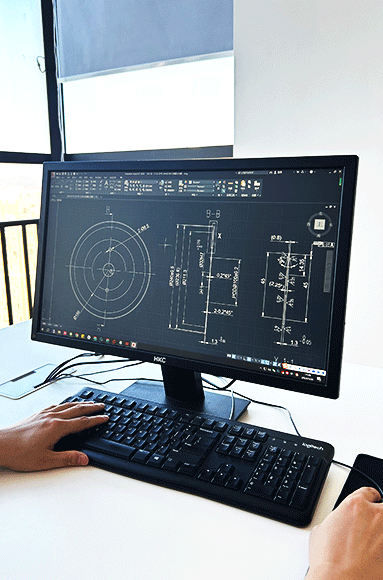
A standard technical drawing precisely defines a product’s geometric parameters—length, thickness, angles, hole diameters, and tolerance ranges. It serves as the blueprint for manufacturing and the foundation for quality inspection. However, it cannot—and does not—specify the deeper process details that ultimately determine the product’s performance.
The true differences usually stem from the following key factors that cannot be captured on a drawing:
- Microstructure of the material: Even within the same grade of tungsten carbide, the size, uniformity, and distribution of internal grains can vary significantly. A finer, more uniform grain structure typically translates to higher hardness and wear resistance.
- Core manufacturing processes: For example, the control of temperature, pressure, and time during the sintering process directly determines the material’s density and internal stresses—key factors affecting the blade’s toughness.
- Control of the grinding process: The method of grinding the cutting edge, the selection of grinding wheels, and even the control of heat generated during grinding are all critical. Excessive localized heat can cause micro-cracks or annealing effects on the cutting edge, making it highly susceptible to chipping during actual use.
- Final Edge Treatment: Does the process include precision passivation, coating, or polishing? These “final steps” often significantly enhance the blade’s wear resistance and cutting stability.
It is precisely these seemingly insignificant process details that collectively determine the blade’s ultimate service life and stability in high-speed, high-pressure working environments.

A Shift In Procurement Mindset: From “Reviewing Drawings” To “Evaluating Processes”
For Original Equipment Manufacturers (OEMs) and distributors, if your supplier evaluation system focuses solely on “drawing compliance” and “price,” you may be missing out on the product’s core value and inadvertently introducing significant performance risks for both yourself and your customers.
A low-cost product with poor craftsmanship may pass initial caliper measurements during acceptance, but in actual use, it can lead to frequent downtime, inconsistent workpiece quality, and even damage to expensive equipment. These follow-up costs far exceed any savings from the initial price difference.

Conclusion: True Quality Lies In The Details
Ultimately, a drawing can define the shape of a blade, but it cannot reveal the quality behind it.
A responsible manufacturer not only strictly adheres to the dimensional requirements of the drawing but also infuses every product with a deep understanding of the manufacturing process and rigorous quality control. Therefore, when evaluating suppliers, shifting the focus from “visible” dimensions to “invisible” craftsmanship is a crucial step toward making wiser, more long-term procurement decisions.